Understanding 18 30 CET: Time Conversion Guide
Navigating international schedules can be a major challenge, especially when dealing with European time zones. If you have been invited to a webinar, a live stream, or a business meeting set for 18 30 CET, knowing exactly what that means for your local clock is essential. Time zone confusion leads to missed appointments, late logins, and unnecessary stress in a globalized workforce.

Central European Time (CET) is widely used across much of mainland Europe during the winter months. However, because many countries observe daylight saving time, standard time conversions shift throughout the year. This guide breaks down exactly what 18:30 CET means, how it relates to Coordinated Universal Time (UTC), and how you can easily convert it to your own time zone.
What Does 18 30 CET Mean?
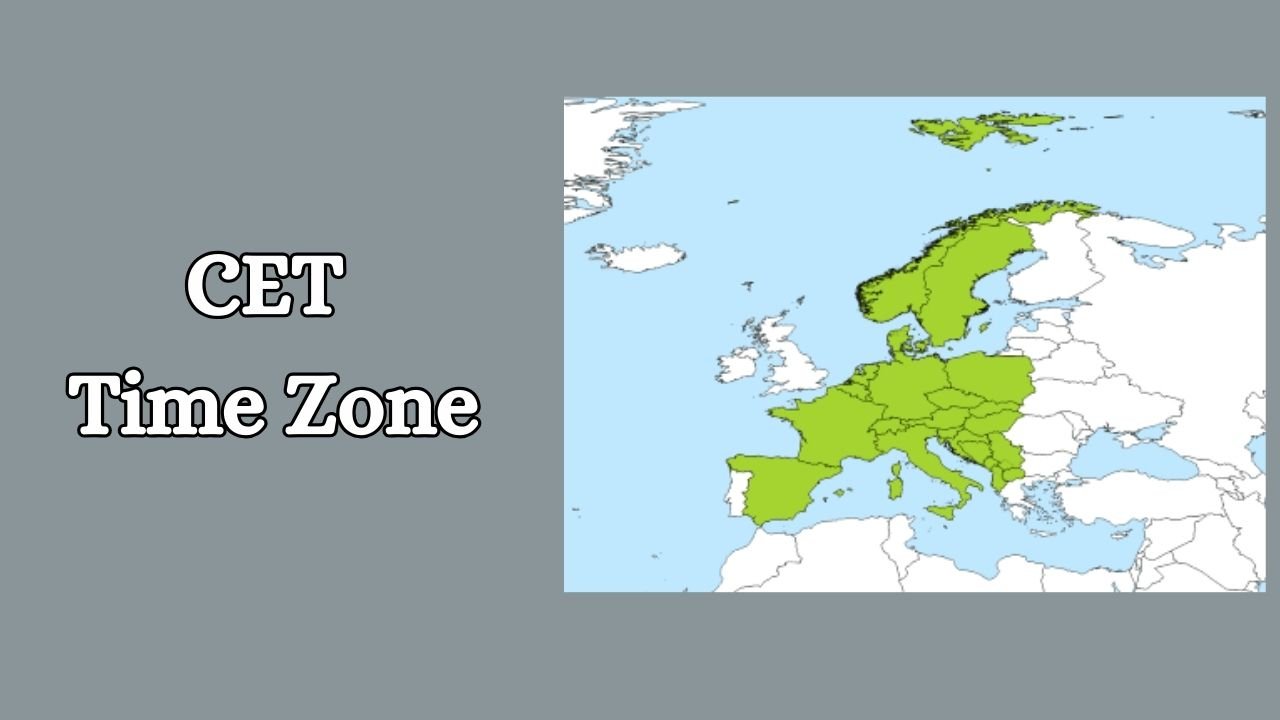
The time format 18 30 refers to 6:30 PM in 24-hour time notation. CET stands for Central European Time, which is a standard time zone used by numerous European nations, including France, Germany, Italy, Spain, Poland, and Sweden during the winter months.
Geographically and politically, CET is defined as being one hour ahead of Coordinated Universal Time. Therefore, when it is 18:30 CET, the UTC time is 17:30. It is important to note that CET is strictly a winter time zone. From the last Sunday in March to the last Sunday in October, these same regions switch to Central European Summer Time (CEST), which is UTC+2.
Global Time Zone Conversions
To help you avoid scheduling errors, here is how 18:30 CET translates to several major international time zones during the standard winter period:
- GMT / UTC (Greenwich Mean Time): 17:30
- BST / IST (British Summer Time / Irish Standard Time): Not applicable in winter, but during winter UK is on GMT (17:30).
- EST (Eastern Standard Time - US/Canada): 12:30 PM
- CST (Central Standard Time - US/Canada): 11:30 AM
- PST (Pacific Standard Time - US/Canada): 9:30 AM
- IST (Indian Standard Time): 11:00 PM
- JST (Japan Standard Time): 2:30 AM (the following day)
- AEST (Australian Eastern Standard Time): 3:30 AM (the following day)
The CET vs. CEST Confusion

One of the most common mistakes people make when dealing with European schedules is confusing CET with CEST. People often use the label "CET" year-round as a blanket term for European time, but this is technically incorrect.
During the summer months, Europe observes Daylight Saving Time (DST). During this period, the time zone shifts forward by one hour to become Central European Summer Time (CEST), corresponding to UTC+2. If an event is scheduled for 18:30 in the summer, it is actually 18:30 CEST, meaning it occurs one hour earlier relative to UTC than it would in the winter.
Always check whether the organizing country or platform accounts for daylight saving time. Most modern digital calendars—such as Google Calendar, Outlook, and Apple Calendar—handle these conversions automatically if you input the event using the correct regional time zone identifier rather than a static offset.
Tips for Scheduling Across Time Zones
When you are organizing or attending events across different continents, following a few practical best practices can prevent scheduling mishaps:
- Use UTC as a baseline: If you are coordinating with people in multiple time zones, convert all times to UTC first to find a universally acceptable slot.
- Specify the exact zone: Instead of just writing "18:30," always write out "18:30 CET" or include the specific city (e.g., Paris or Berlin time) to provide clear context.
- Rely on digital tools: Use online time zone converters like TimeandDate.com or built-in calendar conversion features to double-check your math before sending out calendar invites.
- Account for seasonal shifts: Remember that the United States, Europe, and the Southern Hemisphere transition to and from daylight saving time on different dates, creating temporary discrepancies of one hour for a few weeks each spring and autumn.
Conclusion
Pinpointing the exact moment of 18 30 CET is straightforward once you understand that it equals 17:30 UTC and represents 6:30 PM in winter mainland Europe. By double-checking whether the region is currently observing standard time or daylight saving time, you can ensure your international meetings, webinars, and virtual catch-ups start right on schedule.