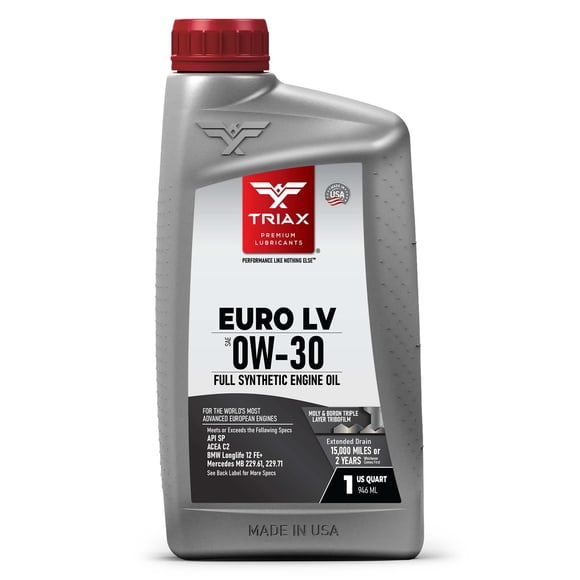
Understanding 30 W Synthetic Oil: Uses & Benefits
Introduction to 30 W Synthetic Oil

When it comes to maintaining a high-performance engine, choosing the right lubricant is critical. Among the various viscosity grades available on the market, 30 w synthetic oil holds a vital place in automotive and small-engine care. Whether you are servicing a modern passenger car, a lawnmower, or a vintage motorcycle, understanding how this specific weight behaves under varying temperatures can drastically extend the lifespan of your equipment.
Unlike traditional conventional oils derived straight from crude petroleum, synthetic oils are engineered in a laboratory. This advanced manufacturing process creates uniform molecular structures that resist breakdown, offering superior protection against friction, heat deposits, and viscosity loss. In this guide, we will break down what 30-weight synthetic oil is, how it compares to multi-grade options, and where it works best.
Decoding Viscosity: What Does '30 Weight' Mean?
Viscosity is a fluid's resistance to flow. The Society of Automotive Engineers (SAE) assigns numbers to quantify this property. A straight 30-weight oil—often denoted as SAE 30—maintains a specific thickness profile designed to operate efficiently at standard high operating temperatures.
Single-Grade vs. Multi-Grade Oils
It is important to distinguish between a straight SAE 30 oil and multi-grade oils like 5W-30 or 10W-30:
- SAE 30: A single-grade oil that maintains its 30-weight viscosity as it warms up. It is traditionally used in warmer climates or specific small engines.
- XW-30 (e.g., 5W-30): A multi-grade oil containing polymer additives. It flows like a thin 5-weight oil at freezing temperatures to ease cold starts, but thickens to act like a 30-weight oil once the engine reaches full operating temperature.
When consumers search for 30 w synthetic oil, they are often looking for the high-temperature protection characteristics inherent to the 30-weight rating, whether in a straight grade or as the upper number of a multi-grade formulation.
Key Benefits of Synthetic 30-Weight Formulations
Upgrading from conventional mineral-based oils to a synthetic formulation brings several distinct mechanical advantages. These benefits stem directly from the refined molecular composition of synthetic base stocks.
1. Exceptional Thermal Stability
Modern engines run hotter than ever due to strict emissions standards and compact designs. Traditional oils can thin out dangerously or form varnish and sludge when exposed to extreme heat. Synthetic 30-weight oils resist thermal breakdown, maintaining a strong lubricating film even during heavy towing, stop-and-go traffic, or high-rev track driving.
2. Reduced Volatility and Oil Consumption

Because synthetic oils have fewer low-boiling-point components, they evaporate much less slowly than conventional oils. This lower 'Noack volatility' means you will likely top off your oil reservoir less frequently between routine change intervals.
3. Enhanced Shear Stability
Mechanical components like gears, cams, and bearings subject engine oil to intense shearing forces that can chop up standard viscosity-index improvers. High-quality synthetic oils retain their designed thickness longer, ensuring consistent hydraulic pressure and wear protection.
Common Applications for 30-Weight Oils
Not all engines require the same fluid dynamics. While 5W-30 dominates passenger cars, straight SAE 30 synthetic oil serves unique, high-demand niches.
Small Air-Cooled Engines: Lawn mowers, generators, pressure washers, and garden tractors frequently specify straight SAE 30 oil because they run extremely hot and lack liquid cooling jackets.
Older and Classic Vehicles: Vintage cars designed before multi-grade oils became standard often rely on straight 30-weight lubricants to maintain proper oil pressure in looser tolerance engines.
Light Commercial Equipment: Certain diesel and gasoline utility vehicles operating in consistently warm ambient climates utilize straight 30-weight formulations for optimal heavy-load protection.
Choosing the Right Product and Maintenance Tips
Selecting the correct oil requires consulting your equipment’s owner manual. Never substitute a straight 30-weight oil in an engine that explicitly requires a 0W-20 or 5W-20, as the increased thickness can restrict initial oil flow during cold weather startups, potentially leading to premature wear.
When performing an oil change with 30 w synthetic oil, always replace the oil filter simultaneously. Trapped contaminants in an old filter can quickly degrade even the highest quality synthetic fluid. Furthermore, while synthetics extend drain intervals, always adhere to the manufacturer's recommended timeline, especially in severe operating conditions.
Conclusion
Using 30 w synthetic oil is an effective way to safeguard your engine against extreme heat, friction, and premature wear. By understanding the distinction between single-grade and multi-grade ratings, you can match the exact lubrication needs of your car, truck, or outdoor power equipment, ensuring reliable performance for years to come.