Understanding 5:00 pm GMT: Time Zone Guide
What Does 5:00 pm GMT Mean?

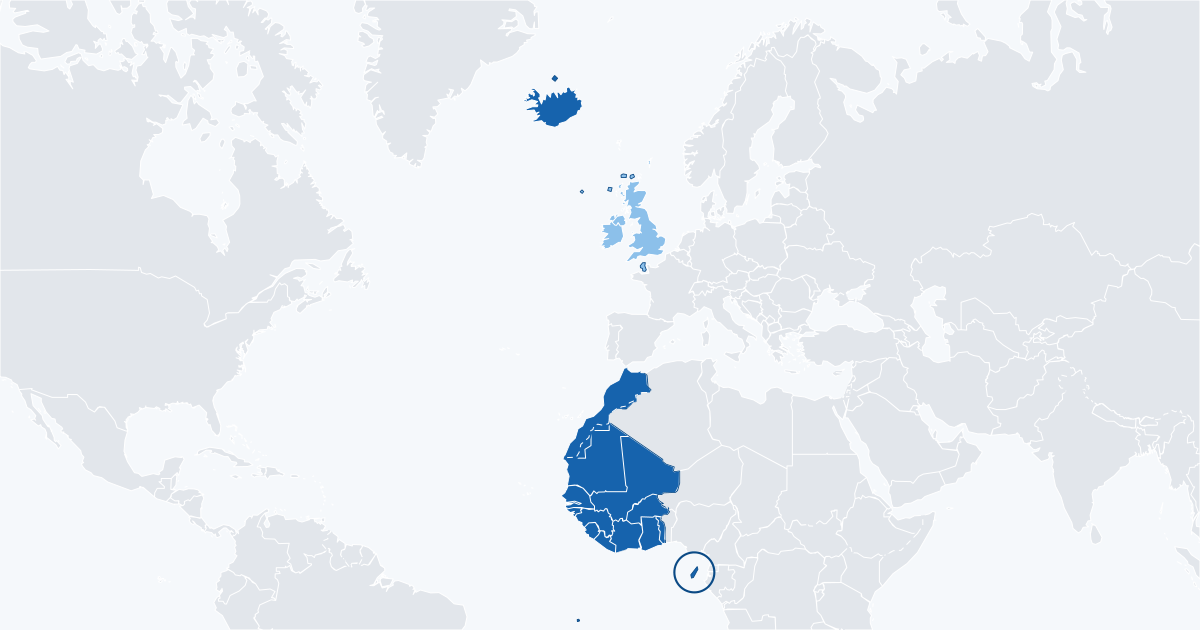
When someone mentions 5:00 pm GMT, they are referring to a specific moment in the day anchored to Greenwich Mean Time. GMT is the historic time zone centered at the Royal Observatory in Greenwich, London. For decades, it has served as the baseline against which all other time zones across the globe are measured. Whether you are coordinating an international team meeting, trading in global financial markets, or watching a live-streamed event from another country, knowing how GMT translates to your local time is essential.
Because GMT does not observe daylight saving time (DST), it remains constant throughout the year. However, many regions that align with GMT during the winter months shift to British Summer Time (BST) or Western European Summer Time (WEST) during the warmer months, adding a layer of complexity for global planners.
Converting 5:00 pm GMT to Major World Time Zones
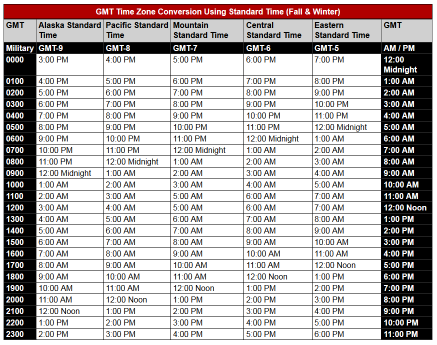
To help you coordinate schedules, it is helpful to look at how 5:00 pm GMT translates into major time zones around the world during standard time (winter). Since different regions handle daylight saving differently, always double-check local shifts before setting critical appointments.
North American Time Zones
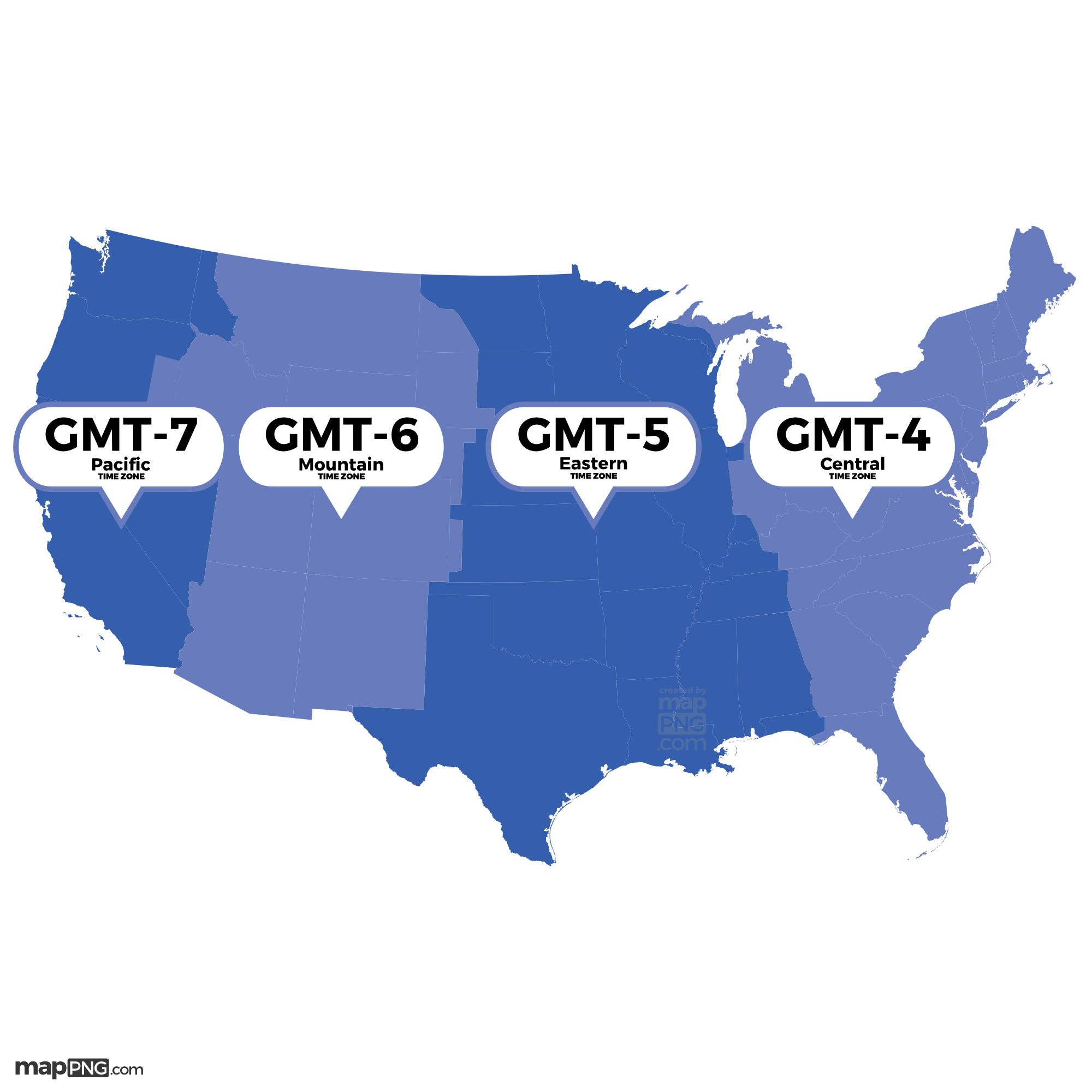
North America spans multiple time zones, most of which observe daylight saving time for a significant portion of the year. During standard time periods, the conversions from 5:00 pm GMT are as follows:
- Eastern Standard Time (EST / UTC-5): 12:00 pm (noon)
- Central Standard Time (CST / UTC-6): 11:00 am
- Mountain Standard Time (MST / UTC-7): 10:00 am
- Pacific Standard Time (PST / UTC-8): 9:00 am
If your region is observing daylight saving time—such as Eastern Daylight Time (EDT) or Pacific Daylight Time (PDT)—the local time will be one hour ahead (e.g., 1:00 pm EDT), because the offset shrinks to UTC-4 during those months.
European and African Time Zones
European and African nations are geographically closer to the Prime Meridian, making their offsets relatively small:
Video: (UTC) Time Difference From Different Countries | ( GMT ) Time Difference From Different Countries

- Western European Time / Greenwich Mean Time (WET / GMT): 5:00 pm
- Central European Time (CET / UTC+1): 6:00 pm
- Eastern European Time (EET / UTC+2): 7:00 pm
- South Africa Standard Time (SAST / UTC+2): 7:00 pm
Asian and Australian Time Zones
For individuals located in Asia and Australia, 5:00 pm GMT usually falls late in the evening or even in the early hours of the following calendar day:
- India Standard Time (IST / UTC+5:30): 10:30 pm
- China Standard Time / Singapore Time (CST/SGT / UTC+8): 1:00 am (next day)
- Japan Standard Time (JST / UTC+9): 2:00 am (next day)
- Australian Eastern Standard Time (AEST / UTC+10): 3:00 am (next day)
GMT vs. UTC: What is the Difference?
It is common for people to use GMT and Coordinated Universal Time (UTC) interchangeably. While they share the exact same current time of day for practical everyday use, they are technically defined differently.
GMT is a time zone officially used in some European and African countries, and its definition is tied to the rotation of the Earth. UTC, on the other hand, is an atomic time standard maintained by a network of precise atomic clocks around the world, adjusted occasionally by leap seconds to account for the Earth's slowing rotation. However, for scheduling an event at 5:00 pm GMT, the difference is negligible, and you can treat them as identical.
Tips for Scheduling Across Global Time Zones
Managing international schedules can quickly become confusing, especially when daylight saving time begins and ends on different dates depending on the country. Follow these practical tips to ensure you never miss a beat:
- Use a Reliable World Clock Tool: Websites like TimeAndDate.com automatically account for local daylight saving changes, ensuring your 5:00 pm GMT conversion is accurate regardless of the time of year.
- Specify the Time Zone Abbreviation: When inviting participants from different countries, always write out the full zone (e.g., "5:00 pm GMT / UTC") rather than just saying "5:00 pm."
- Account for Date Flips: As shown in the conversion lists, events scheduled in GMT can easily fall on the following calendar day for participants in Asia and Australia. Always verify the date for your attendees.
- Check DST Transition Dates: Europe and North America switch to daylight saving time on different weekends in March and November. A meeting that lines up cleanly in February might require a one-hour adjustment in March.
Conclusion
Understanding 5:00 pm GMT is a fundamental skill for anyone working in a global environment. By knowing your specific offset from Greenwich Mean Time and keeping track of daylight saving shifts, you can effortlessly convert this standard time marker into your local schedule. Whether it means a midday call in North America or an early morning check-in in Asia, mastering time zone conversions keeps international communication running smoothly.