Understanding 5G Ultra Wideband Coverage
When mobile carriers first began rolling out next-generation wireless technology, consumers were promised download speeds that could rival home broadband. Today, understanding 5G Ultra Wideband coverage is essential if you want to experience the absolute fastest speeds your smartphone can deliver. While standard 5G offers a solid upgrade with broad reach, Ultra Wideband represents the high-performance tier of modern cellular connectivity.
In this guide, we will break down what Ultra Wideband actually is, how it differs from standard low-band 5G, where you can find it, and what devices are required to tap into its full potential.
What Is 5G Ultra Wideband?
To understand Ultra Wideband (often abbreviated as UWB by carriers like Verizon), you first need to understand the spectrum of radio frequencies used in cellular communications. The 5G network architecture relies on three distinct layers of spectrum:
- Low-band spectrum: Offers massive geographic coverage and easily penetrates walls, but delivers slower speeds (comparable to strong 4G LTE).
- Mid-band spectrum: Provides a healthy balance of speed and coverage, serving as the backbone for nationwide 5G networks.
- High-band spectrum (mmWave): Ultra-high frequencies that carry massive amounts of data at incredible speeds, but over very short distances.
5G Ultra Wideband primarily refers to the use of high-band millimeter wave (mmWave) spectrum, though carriers have recently expanded the term to include certain mid-band (C-band) frequencies as well. C-band bridges the gap by offering much faster speeds than 4G while maintaining better building penetration and range than pure mmWave.
The Trade-Offs: Speed Versus Range
The defining characteristic of high-band 5G Ultra Wideband coverage is the physics of radio waves. The higher the frequency, the more data it can transport, but the harder it is for that signal to travel long distances or pass through physical obstacles.
The mmWave Experience
If you connect to a true mmWave cell site, you might experience download speeds exceeding 1 Gbps. You can download full-length movies in seconds and upload heavy video files instantly. However, mmWave signals struggle significantly with:
- Distance: Signals typically degrade significantly after a thousand feet from the cell tower.
- Obstacles: Trees, tinted glass, concrete walls, and even heavy rain can block or weaken the signal.
- Line-of-Sight: You often need to be outdoors or very close to a small-cell node on a streetlamp or utility pole to get the best connection.
The C-Band Advantage
To solve the range limitations of pure mmWave, carriers integrated C-band spectrum into their Ultra Wideband footprints. C-band provides multi-hundred-megabit speeds over much wider geographic areas. It penetrates buildings much better than mmWave, making 5G Ultra Wideband coverage far more practical for everyday indoor use in suburban and urban environments.
Where Is 5G Ultra Wideband Available?
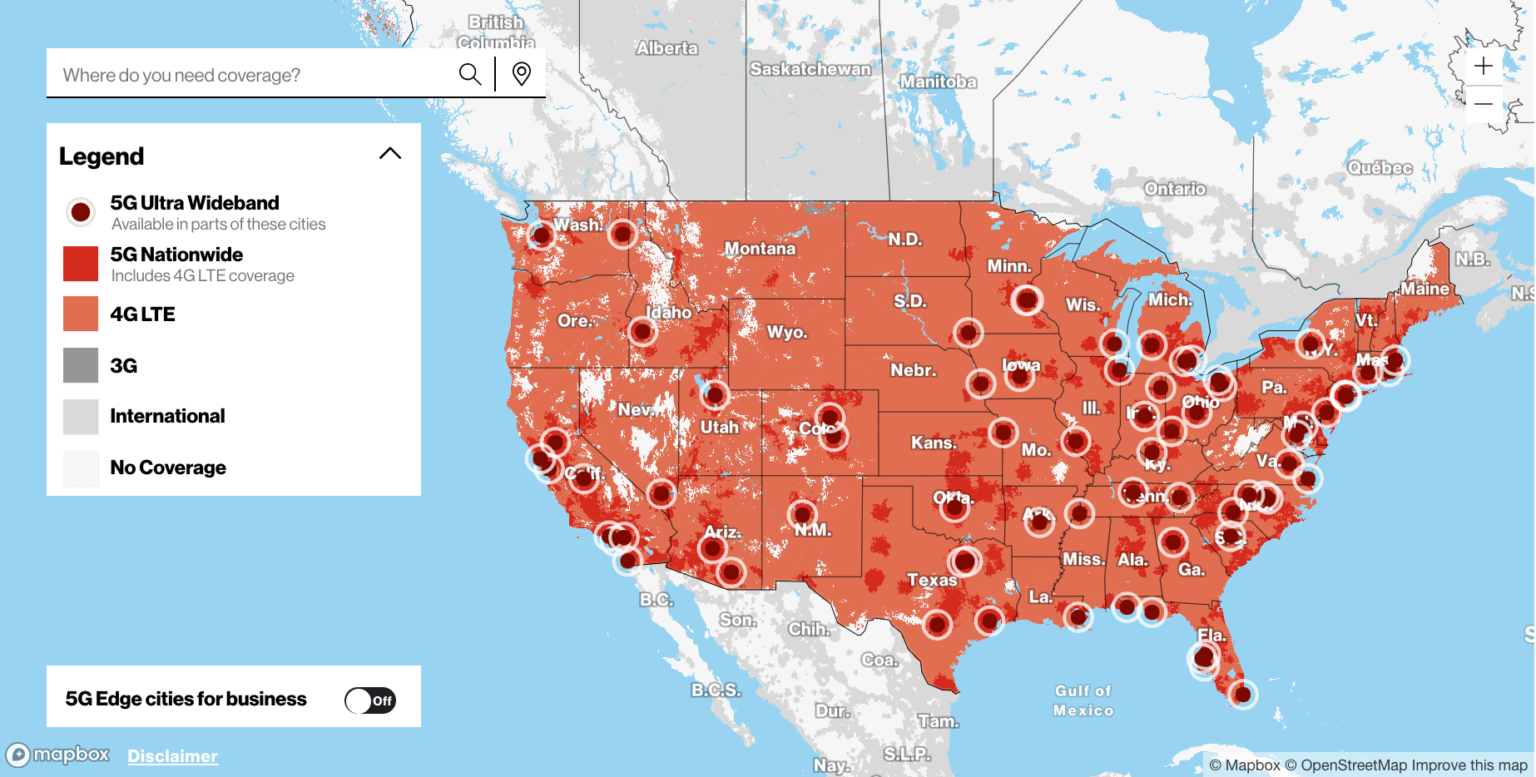
Availability depends heavily on your geographic location and your specific wireless provider. Initially, Ultra Wideband was strictly limited to downtown cores, major sports stadiums, airports, and select concert venues.

As infrastructure investments continue, coverage has expanded dramatically:
- Urban and Suburban Markets: Major metropolitan areas and densely populated suburbs feature extensive C-band coverage, with pockets of mmWave in high-traffic commercial zones.
- Venues and Transportation Hubs: Airports, transit stations, and major league stadiums are heavily blanketed with mmWave nodes to handle thousands of concurrent users demanding high bandwidth.
- Rural Areas: Rural expansion relies almost entirely on low-band and mid-band frequencies. True mmWave Ultra Wideband is rarely found outside of densely populated towns and cities.
Carriers provide online coverage maps where you can enter your exact address to see if you fall within a high-speed footprint.
Do You Need a Special Plan and Device?
Getting access to Ultra Wideband speeds requires more than just living in the right neighborhood. You need compatible hardware and an eligible data plan.
Hardware Requirements
Your smartphone must contain specific internal antennas capable of receiving high-band mmWave and mid-band C-band frequencies. Virtually all modern flagship smartphones—including recent iPhones and high-end Android devices—support these bands natively. However, budget-friendly or older devices labeled simply as "5G compatible" may only support low-band frequencies and cannot access Ultra Wideband.
Carrier Plans
Depending on your carrier, high-speed data access may be restricted to premium unlimited plans. Some entry-level tiered or budget carrier plans throttle 5G speeds or completely block access to the Ultra Wideband tier, limiting users to standard nationwide 5G.
Tips to Get the Best Ultra Wideband Signal
If you live or work in an area with active coverage, you can maximize your chances of staying connected to the fast network by following a few simple practices:
- Check your status bar: Look for indicators like "5G UW" or a similar high-speed badge on your phone screen rather than a generic "5G" icon.
- Move near windows: If you are indoors and your speeds drop, stepping closer to a window can dramatically improve mmWave reception by reducing the number of building materials the signal must pass through.
- Avoid network congestion bottlenecks: Because Ultra Wideband offers massive bandwidth capacity, it is exceptionally useful in crowded public spaces where standard 4G and low-band 5G networks tend to slow to a crawl.
The Future of High-Speed Mobile Data
As telecommunication companies continue to deploy small-cell sites and refine C-band spectrum allocations, high-speed wireless coverage will only become more ubiquitous. While it may never completely replace wired home internet for every single household, 5G Ultra Wideband coverage provides a legitimate mobile broadband alternative that is fast enough to support augmented reality, cloud gaming, and seamless 4K video streaming on the go.