Understanding a Knife Enter Wound: First Aid & Care
Introduction to Penetrating Trauma
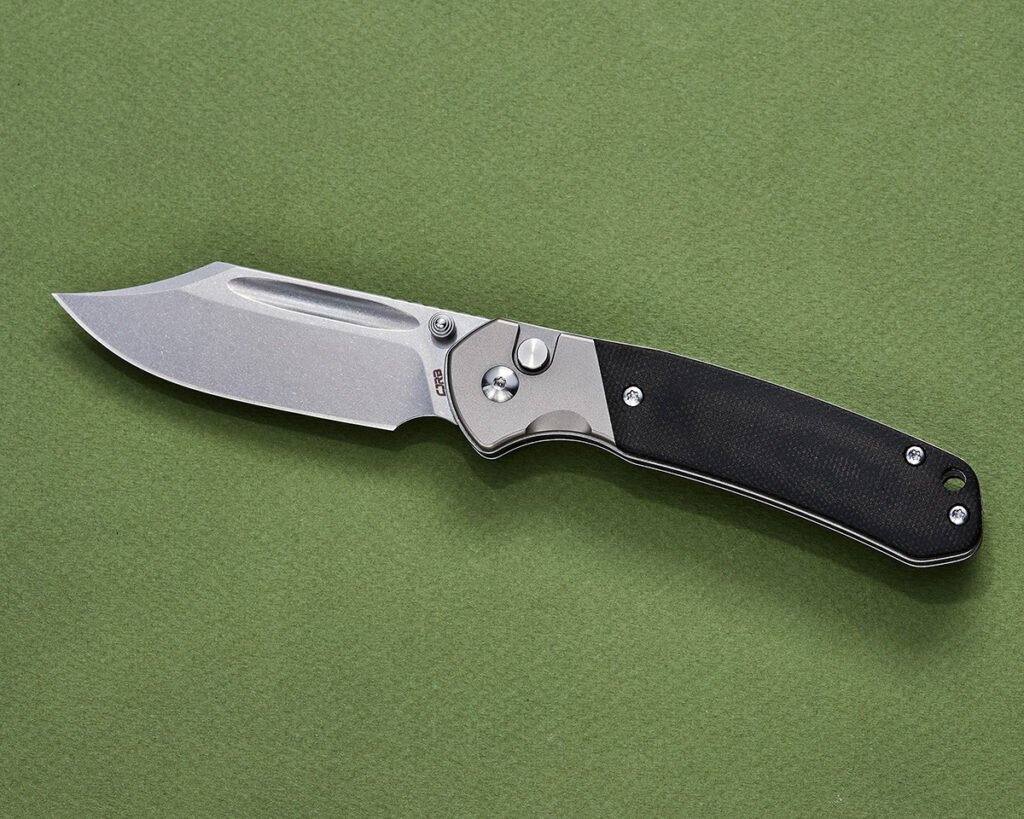
Accidents happen unexpectedly, and dealing with a penetrating injury requires a calm mind and decisive action. When an object like a blade causes a knife enter wound, the body experiences both visible and internal trauma. Knowing how to respond in the crucial first few minutes can make a significant difference in medical outcomes.
Whether resulting from a kitchen mishap, a workplace accident, or an unfortunate altercation, understanding basic emergency response is vital. This guide outlines the essential steps to manage the situation safely while waiting for professional medical personnel to arrive.
Assessing the Scene and Ensuring Safety
Before rushing to help an injured person, safety must be the top priority. Rushing into a hazardous environment can result in multiple casualties, leaving no one to help.
- Check for ongoing danger: Ensure the assailant, heavy machinery, or unstable objects are no longer a threat.
- Protect yourself: If possible, put on medical gloves or use a clean barrier to avoid direct contact with blood and bodily fluids.
- Evaluate the victim: Check for responsiveness, breathing, and massive bleeding before touching the injury site.
Immediate First Aid for a Knife Enter Wound
Once the scene is secure, prompt first aid can stabilize the victim. However, managing a puncture wound requires specific techniques to avoid worsening the internal damage.
Do Not Remove the Blade
One of the most critical rules in trauma care is leaving the object in place if it is still embedded. Removing a blade can trigger severe, uncontrolled bleeding because the object may be acting as a plug against a damaged blood vessel. Furthermore, pulling it out can cause secondary tissue damage.
Instead, stabilize the object with bulky dressings or cloth wrapped around it so it cannot wobble or shift during movement.
Controlling Severe External Bleeding
If the blade has been removed or if blood is actively spurting from the site, controlling hemorrhage is the immediate goal. Follow these steps:
- Apply direct pressure: Place a clean cloth, sterile gauze pad, or bandage directly over the wound. Press down firmly with the palm of your hand.
- Maintain pressure: Do not lift the cloth frequently to check if the bleeding has stopped, as this disrupts the clotting process. If blood seeps through, add more layers on top.
- Elevate the injury: If the wound is on an extremity (arm or leg) and no fractures are suspected, elevate the limb above the heart level to slow blood flow.
When to Call Emergency Services
Any deep puncture wound requires professional medical evaluation, even if the bleeding appears to stop and the victim feels fine. Call emergency services immediately if the wound exhibits any of the following indicators:

- Bleeding that does not stop after 5 to 10 minutes of continuous direct pressure.
- The wound is located on the chest, neck, abdomen, or head.
- The victim shows signs of shock, such as pale, cool, or clammy skin, confusion, rapid breathing, or dizziness.
- The injured person loses consciousness, even momentarily.
- The object is still embedded in the body.
Understanding Potential Complications
A knife enter incident rarely affects only the skin. Depending on the depth and location of the penetration, several internal structures can be compromised.
Vascular and Nerve Damage
Sharp blades can easily slice through major arteries, veins, and peripheral nerves. Vascular injury leads to rapid blood loss, while nerve damage can result in loss of sensation, paralysis, or chronic pain in the affected limb.
Internal Organ Perforation
If the injury occurs in the torso, the blade may puncture vital organs such as the lungs, liver, intestines, or heart. A puncture to the chest cavity can cause a collapsed lung (pneumothorax), which severely impairs breathing and requires immediate surgical intervention.
Infection Risks
Blades often carry bacteria, rust, or dirt into the deep tissue layers. Without proper cleaning, antibiotics, and potentially a tetanus shot, localized infections can quickly escalate into systemic sepsis.
Recovery and Medical Treatment
In a hospital setting, medical professionals will perform diagnostic imaging, such as X-rays, CT scans, or ultrasounds, to assess the full extent of internal damage. Surgical exploration may be necessary to repair torn blood vessels or organs and thoroughly wash out the wound bed to prevent infection.
Following discharge, patient care involves keeping the surgical site clean and dry, watching for red flags like fever or expanding redness, and completing any prescribed antibiotic courses. Physical therapy may also be required if muscles or nerves sustained permanent trauma during the incident.
Conclusion
Dealing with a knife enter situation demands a balanced approach of caution, composure, and swift emergency action. Prioritizing personal safety, avoiding the removal of embedded objects, and applying effective pressure to bleeding sites are actions that save lives. Always defer to emergency medical professionals as soon as possible to ensure comprehensive care and long-term recovery.