Understanding Army Basic Pay: 2024 Guide
Introduction to Army Compensation
When considering a career in the United States military, understanding the financial structure is essential. The foundation of a soldier's salary is known as basic pay army personnel receive every month. Unlike civilian jobs, military compensation is a multifaceted package designed to cover housing, food, and specialized duties, but it all starts with your base salary.
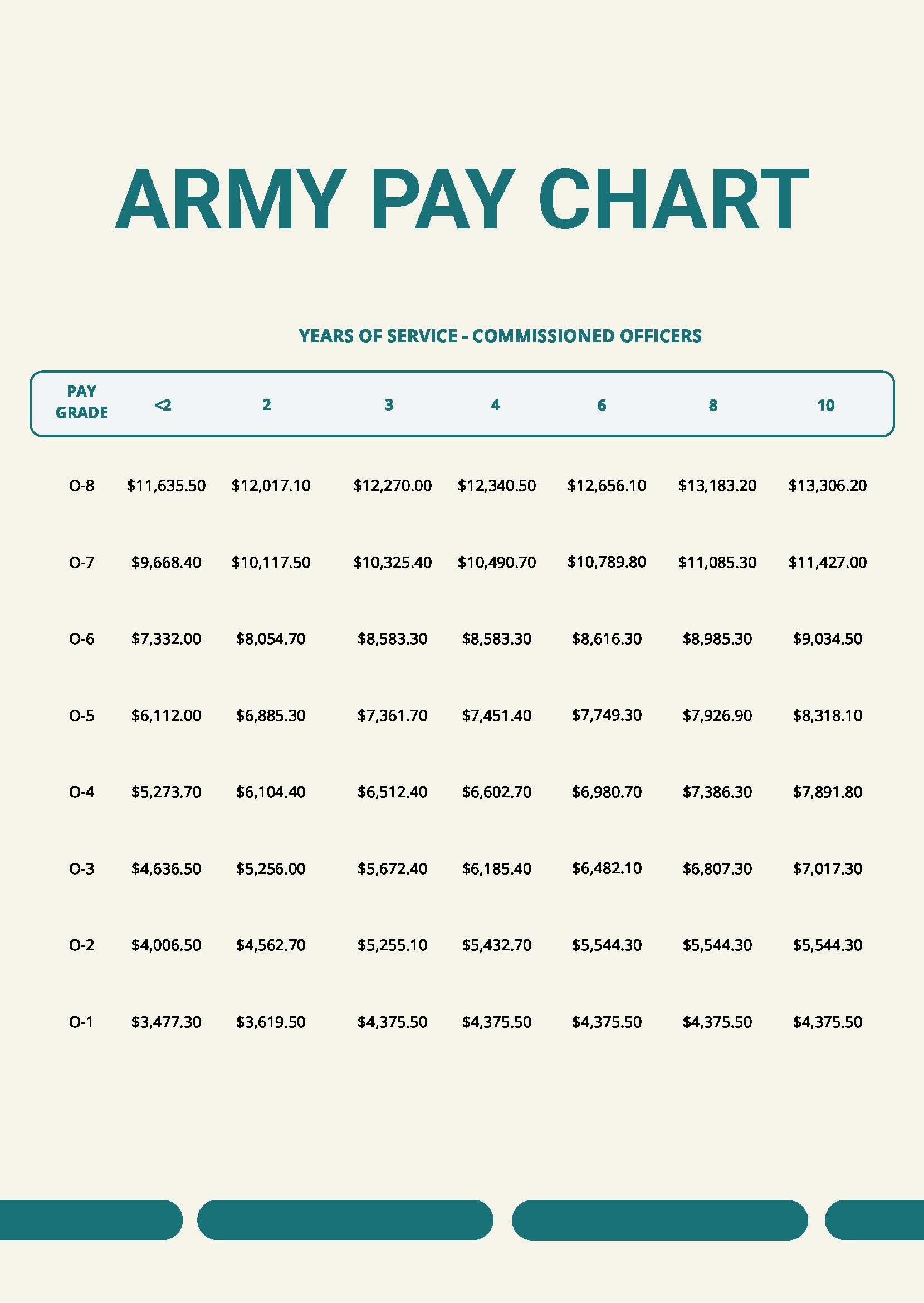
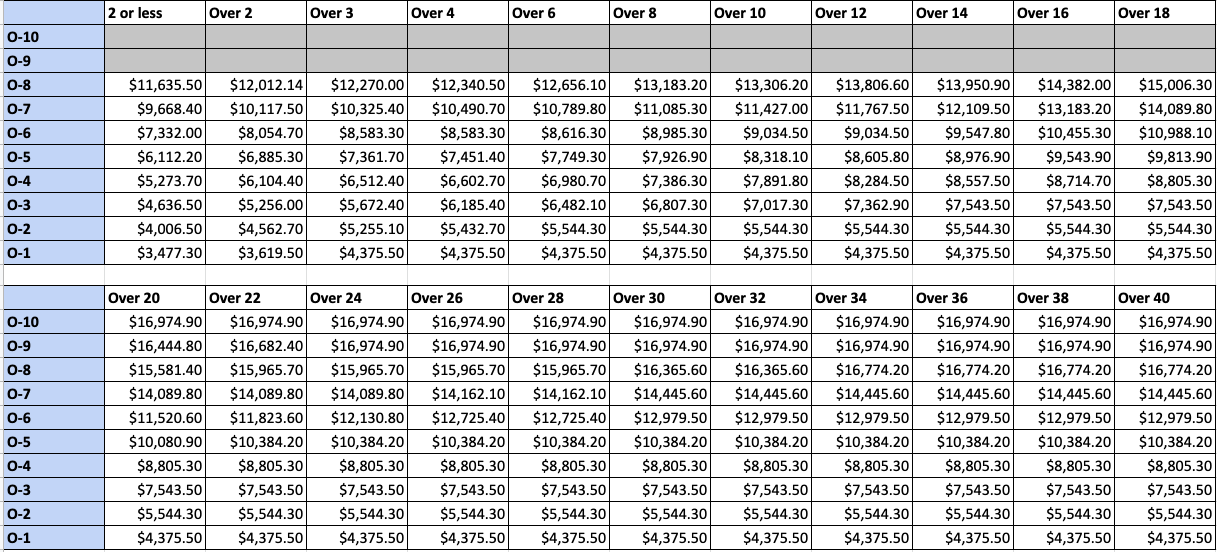
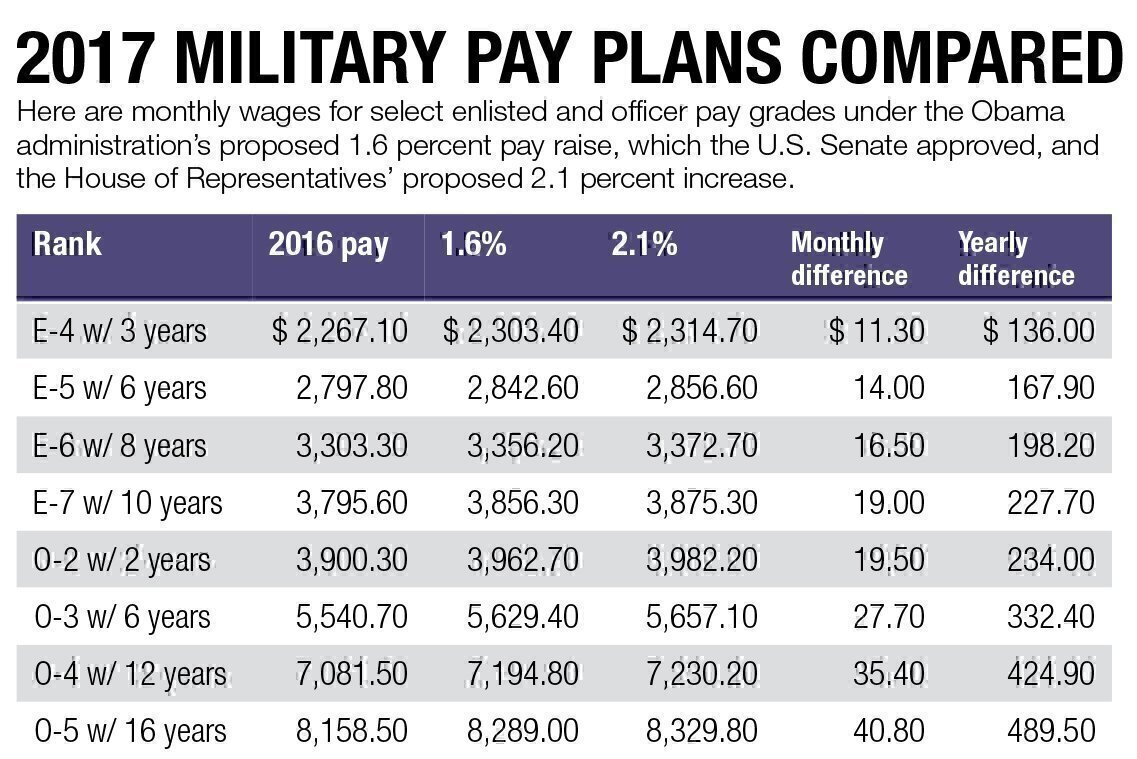
Military basic pay is determined primarily by two factors: your pay grade (rank) and your cumulative years of service. Every year, Congress typically reviews and adjusts these pay rates to account for inflation and private-sector wage growth, ensuring that service members remain fairly compensated for their dedication.
How Army Basic Pay Grades Work
The military structure is divided into distinct classifications, each representing different levels of responsibility, leadership, and experience. Understanding these categories is the first step in calculating potential earnings.
Enlisted Personnel (E-1 to E-9)
Enlisted soldiers make up the vast majority of the Army. They enter service at the lowest rank, Private (E-1), and can advance up to Sergeant Major of the Army (E-9).
- Junior Enlisted (E-1 to E-3): These are entry-level soldiers undergoing basic training and early career assignments. Salaries here are modest, but living expenses are heavily subsidized.
- Non-Commissioned Officers or NCOs (E-4 to E-6): Corporals, Sergeants, and Staff Sergeants take on frontline leadership roles. Pay increases noticeably with each step up this ladder.
- Senior NCOs (E-7 to E-9): Sergeants First Class, Master Sergeants, and Sergeants Major manage large groups of soldiers and advise commanders, earning higher salaries commensurate with decades of experience.
Warrant Officers (W-1 to W-5)
Warrant officers are technical experts and specialists. Rather than leading general infantry troops, they focus on specific fields like aviation, intelligence, or maintenance. Their pay grade reflects their specialized technical proficiency, sitting between senior enlisted personnel and commissioned officers.
Commissioned Officers (O-1 to O-10)
Commissioned officers hold college degrees and lead soldiers at the platoon level all the way up to theater-wide operations. Second Lieutenants (O-1) start higher than entry-level enlisted members, and generals at the top tier (O-10) command the highest base salaries in the armed forces.
Video: How much money do you get paid at basic training | full army pay breakdown| is it worth it ?
The Impact of Time in Service
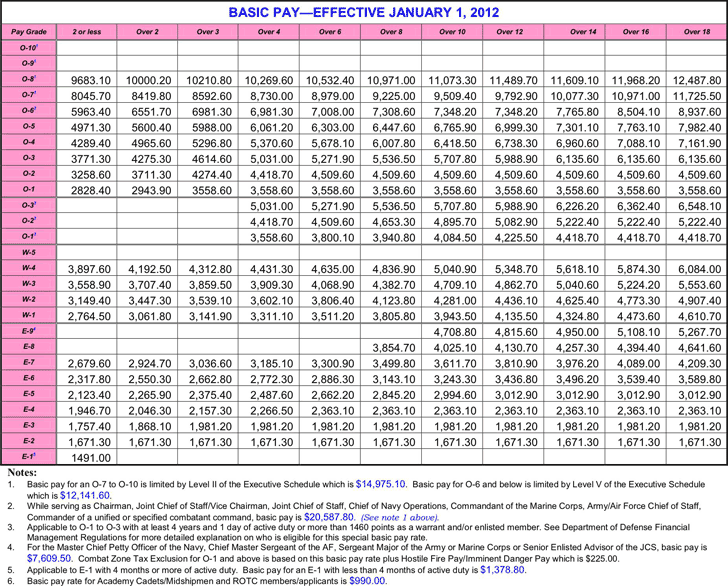
Rank is only half the equation when calculating your monthly basic pay army check. The second major factor is longevity—how many years you have actively served.
Even if a soldier remains at the same rank for multiple years, their base pay increases incrementally at specific service milestones (e.g., 2 years, 3 years, 4 years, and every two years thereafter up to a maximum cap). This system ensures that experienced personnel are rewarded for their continued commitment, even if promotion opportunities are temporarily bottlenecked.
Beyond the Base Salary: Total Military Compensation
While basic pay forms the core of a soldier's income, looking at base salary alone paints an incomplete picture. The military compensation system includes several tax-advantaged allowances and benefits that significantly boost take-home value:
- Basic Allowance for Housing (BAH): A tax-free monthly stipend provided to soldiers who do not live in government-provided barracks, scaled according to geographic location, pay grade, and dependency status.
- Basic Allowance for Subsistence (BAS): A uniform, tax-free monthly allowance intended to offset the cost of meals for service members.
- Special and Incentive Pays: Additional money awarded for hazardous duty, airborne status, foreign language proficiency, medical specialization, or deployment in hostile fire zones.
Because allowances like BAH and BAS are entirely tax-free, a soldier's effective civilian-equivalent income is often considerably higher than their listed basic pay rate.
How to Read and Verify Your Pay Stub
Service members receive a Leave and Earnings Statement (LES) every month, accessible through the Defense Finance and Accounting Service (DFAS) portal. The LES details all financial transactions, including basic pay deductions, taxes, Thrift Savings Plan (TSP) retirement contributions, and SGLI life insurance premiums.
Reviewing your LES monthly ensures accuracy regarding your ongoing basic pay army earnings, ensuring that your cumulative service years and recent promotions are correctly reflected in your deposit.
Conclusion
Navigating army compensation requires looking at the big picture. While the initial basic pay army figures depend strictly on your rank and time in service, the total compensation package—enhanced by tax-free housing, food allowances, and comprehensive healthcare—provides a stable and competitive financial foundation for military families.