Understanding Cremation Wiki: Process, History & Facts
When researching end-of-life options, many people turn to a cremation wiki or online encyclopedias to understand the fundamentals of modern disposition methods. Cremation has evolved from an ancient tribal custom into one of the most common choices for body disposition worldwide. Driven by shifting cultural norms, environmental concerns, and cost efficiency, understanding how the process works provides clarity during difficult planning times.
What is Cremation?
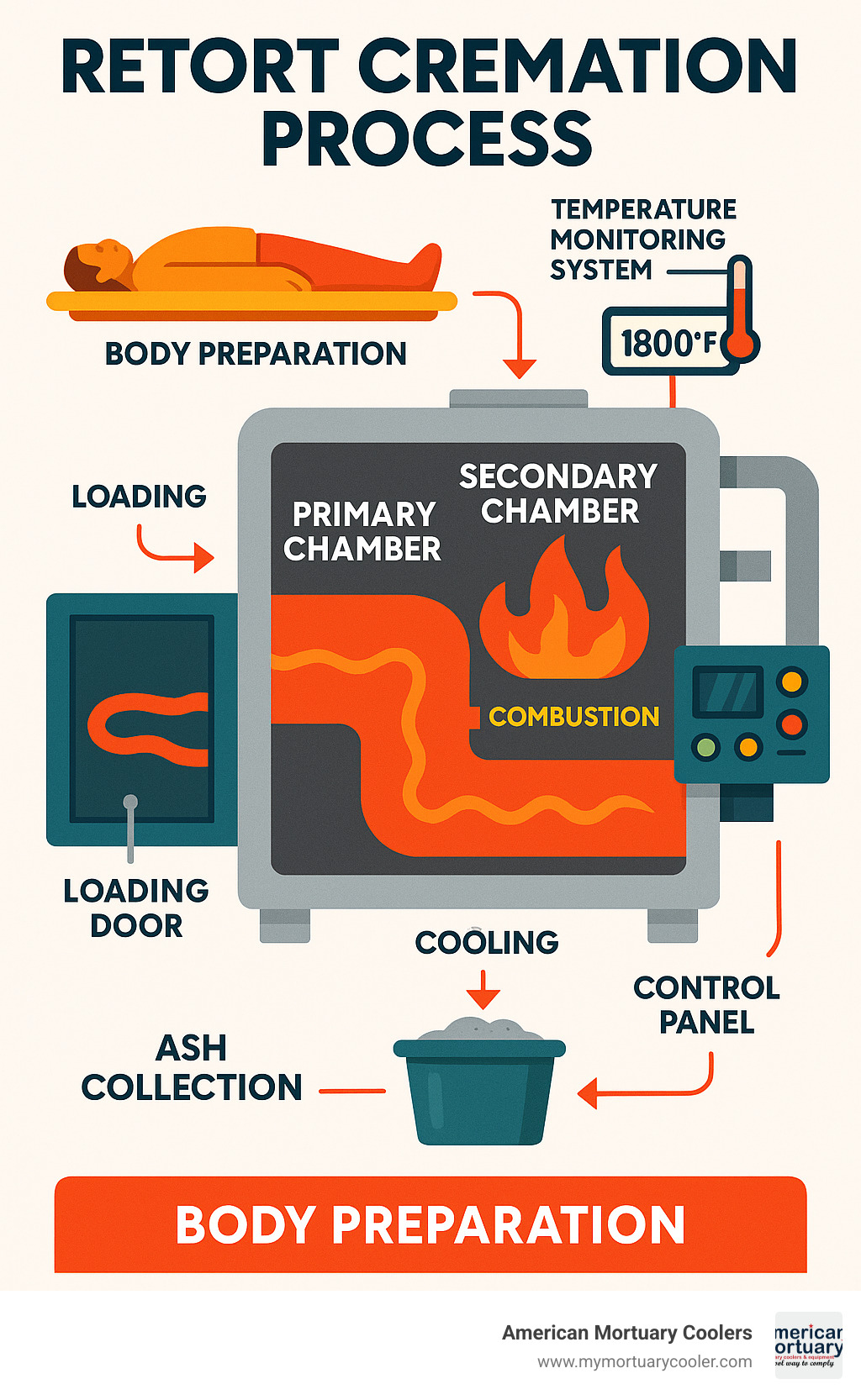
Cremation is the process of reducing a deceased human body to bone fragments using high heat and evaporation. This thermal process takes place inside a specialized industrial furnace known as a cremulator or cremation chamber. Over the course of two to three hours, temperatures ranging from 1,400 to 1,800 degrees Fahrenheit reduce the body to its basic elements.
Contrary to popular belief, the resulting remains—commonly called cremated remains or ashes—are not actually ash in the traditional sense. They are processed coarse mineral fragments resembling coarse sand or small gravel. Families can then choose to scatter these remains, keep them in an urn, or incorporate them into memorial jewelry.
The Modern Cremation Process Explained
The step-by-step procedure of cremation involves strict legal, ethical, and technical protocols to ensure dignity and accurate identification. While procedures vary slightly by jurisdiction, the standard workflow includes several key milestones.
Authorization and Preparation
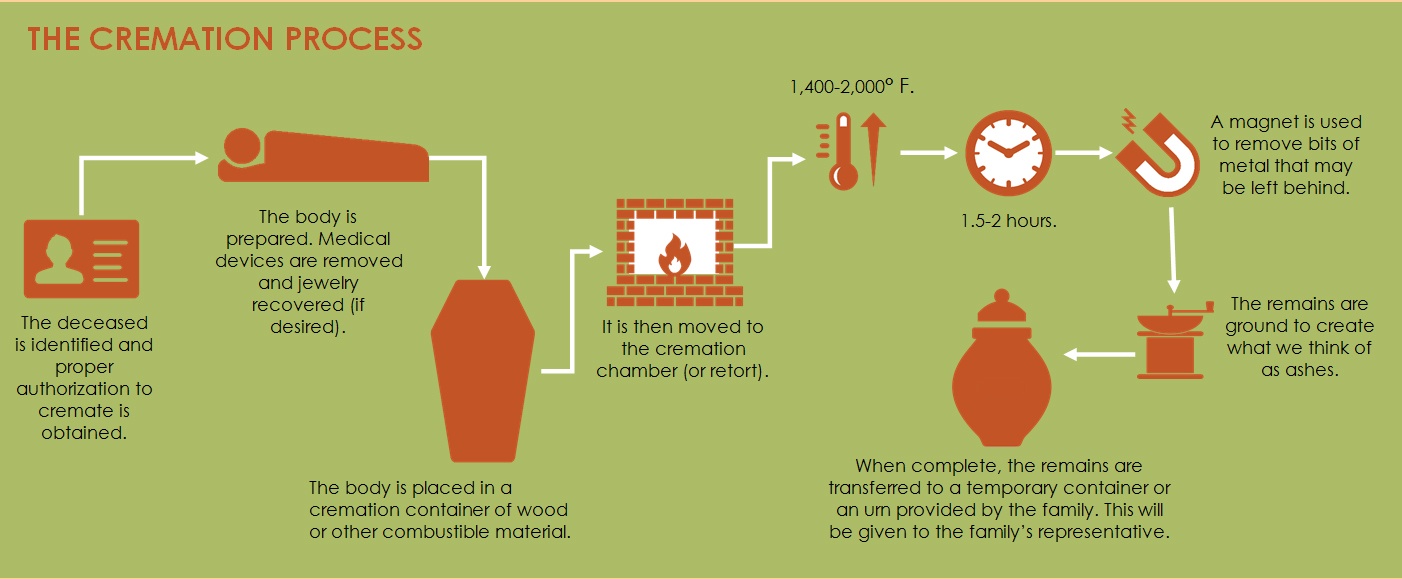
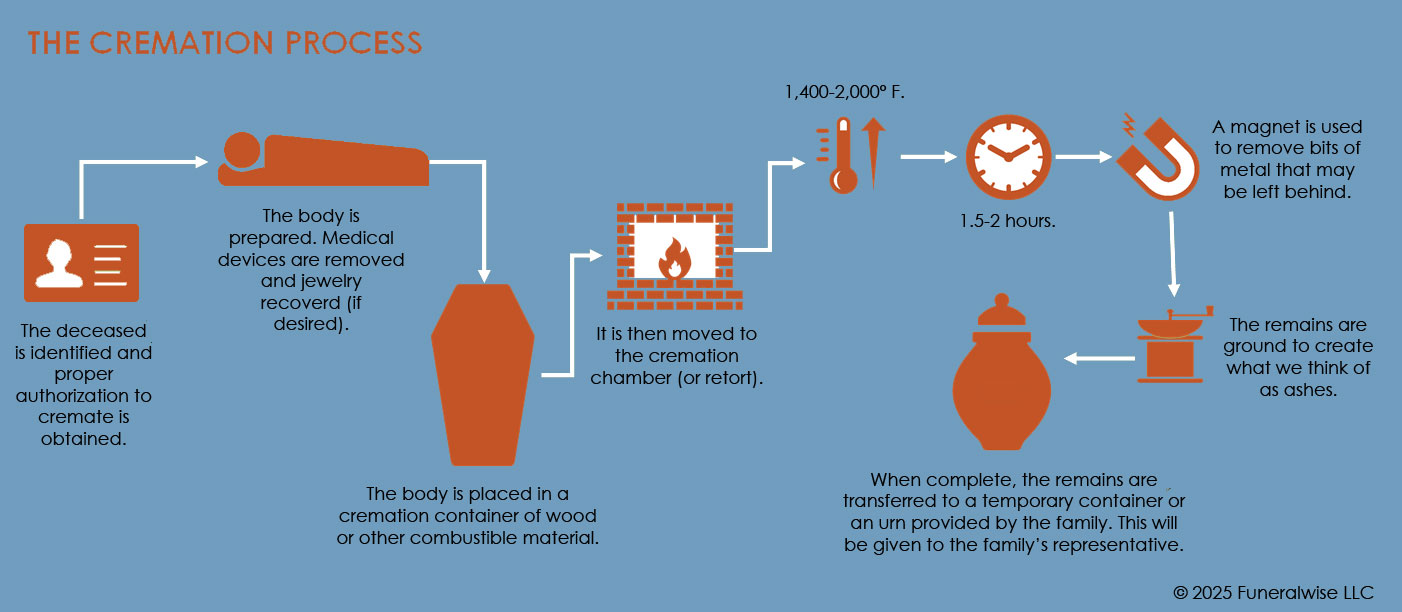
Before any cremation can take place, legal next-of-kin must sign detailed authorization forms. Crematoriums require this documentation because the process is completely irreversible. Once authorized, the body is prepared:
- Medical devices, such as pacemakers, are surgically removed because they can explode under extreme heat.
- Jewelry and personal effects requested by the family are removed and returned.
- The body is placed in a combustible, rigid container, typically made of cardboard or unfinished wood.
Inside the Cremation Chamber
The container holding the body is placed into the cremation chamber. The intense heat instantly vaporizes all organic matter and moisture. Modern crematories are heavily regulated for emissions, ensuring that smoke and odors are completely eliminated through secondary combustion chambers.
After the burning cycle finishes, the remaining bone fragments are cooled. Operators use a strong magnet to extract any residual metal fragments, such as surgical pins, teeth fillings, or casket staples. Finally, a mechanical processor grinds the bone fragments into a uniform consistency, yielding roughly three to seven pounds of remains.
History and Cultural Significance
The history of cremation spans thousands of years. Archaeological evidence suggests it was practiced widely during the Stone Age, gaining significant prominence in ancient Greece and the Roman Empire, where it was viewed as an honorable way to release the soul from its physical shell.
During the Middle Ages, the Catholic Church largely discouraged cremation in favor of traditional earth burial, aligning with the theological belief in the bodily resurrection. However, modern resurgence began in the late 19th century in Europe and North America, driven largely by public health advocates who argued that traditional overcrowded cemeteries spread disease.
Global Statistics and Preferences
Today, rates vary dramatically across the globe. Japan boasts a nearly 100% cremation rate due to cultural traditions and limited land availability. In the United States and Canada, rates have climbed steadily, surpassing traditional burials in recent decades. Factors influencing this trend include:
- Cost: Cremation is generally significantly less expensive than a traditional funeral involving embalming, a casket, vault, and cemetery plot.
- Flexibility: Families are not bound by strict timelines or geographic locations for burial, allowing memorials to be planned weeks or months later.
- Mobility: As families become more geographically dispersed, cremated remains are easier to transport to a loved one's final resting place.
Alternative Methods: Alkaline Hydrolysis
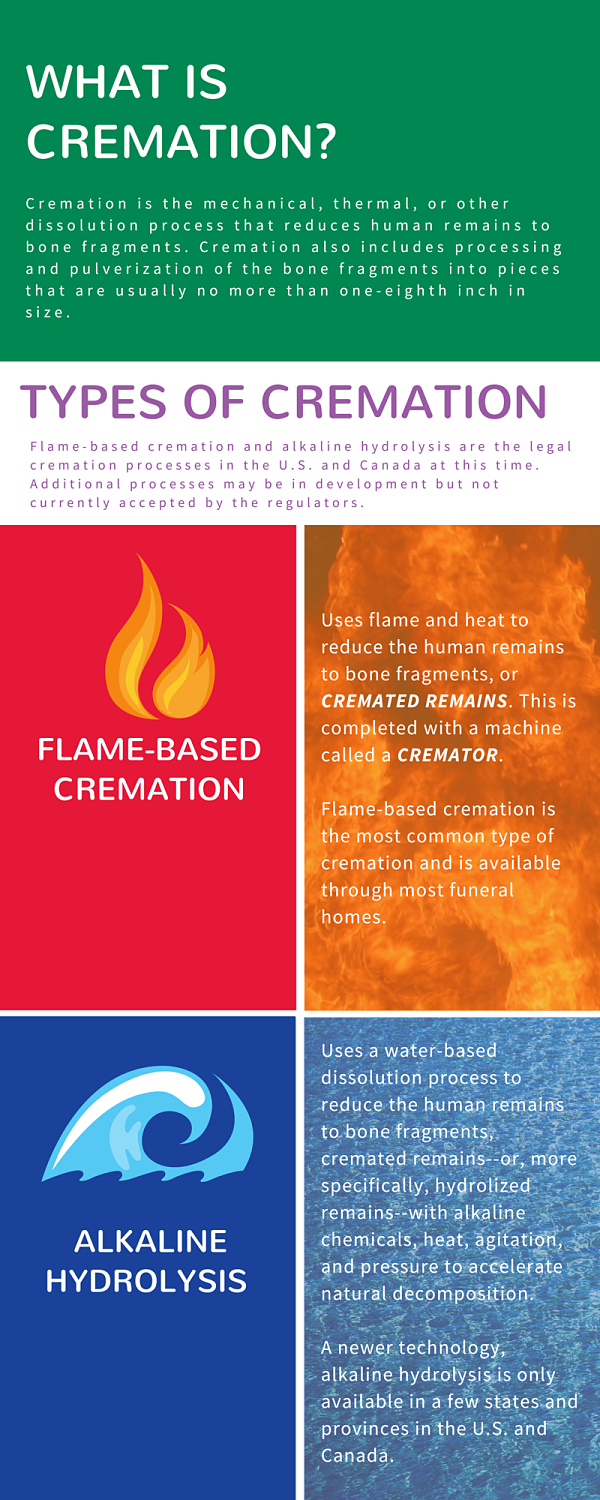
As interest in eco-friendly death care grows, alternative processes are frequently searched alongside traditional cremation. One notable method is alkaline hydrolysis, sometimes called flameless cremation or aquamation.
Instead of fire, this method uses a combination of water, alkaline chemicals, and gentle heat to accelerate natural decomposition. It leaves behind the same bone fragments while consuming significantly less energy and producing zero carbon emissions. Legal acceptance of alkaline hydrolysis varies by region, but it is rapidly gaining traction globally.
Final Thoughts
Whether you are planning ahead for your own arrangements or making immediate decisions for a loved one, understanding the mechanics of cremation helps demystify the process. By weighing the emotional, financial, and environmental factors, families can make informed choices that best honor the memory of the deceased.