Understanding FL Arrests OrgRegister Records
When people look into criminal history information in the Sunshine State, they often stumble across terms like fl arrests orgregister. Navigating the world of public records can feel overwhelming, especially with dozens of third-party websites, county sheriff databases, and state portals claiming to hold the exact details you are searching for.
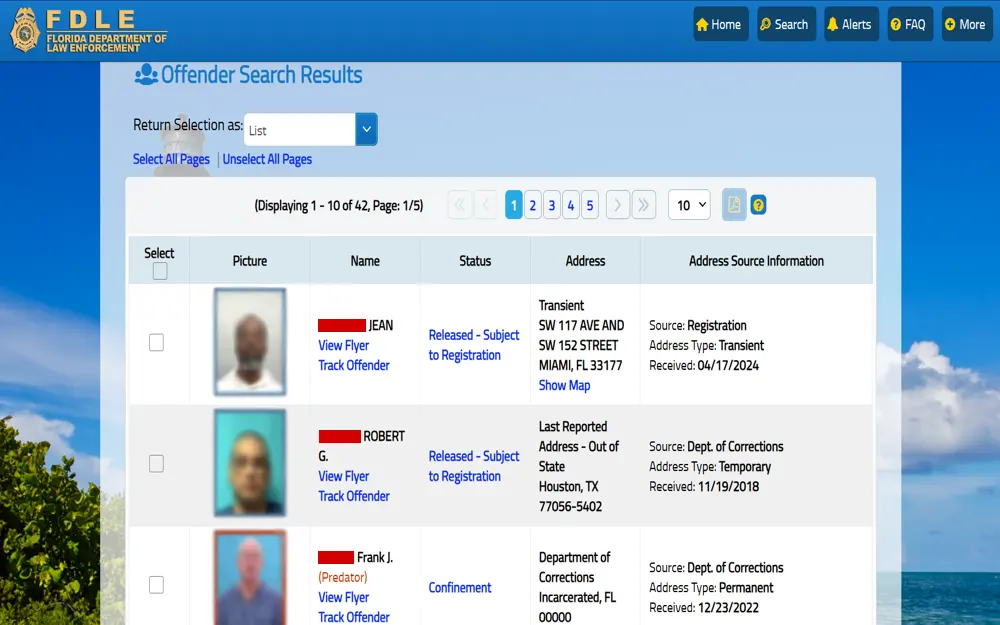
Understanding how Florida handles arrest data, what information is legally public, and how to verify what you find online helps ensure you get accurate, up-to-date information while protecting your privacy.
What Are Florida Arrest Records?
In Florida, the public records law—commonly known as Chapter 119 of the Florida Statutes—mandates that state and local government agencies make records available to the public upon request. This openness includes arrest reports, booking photos (mugshots), jail logs, and court case files.
When a law enforcement agency in Florida arrests an individual, they generate a standard set of documents. These typically include:
- Booking Information: The date, time, and specific charges associated with the arrest.
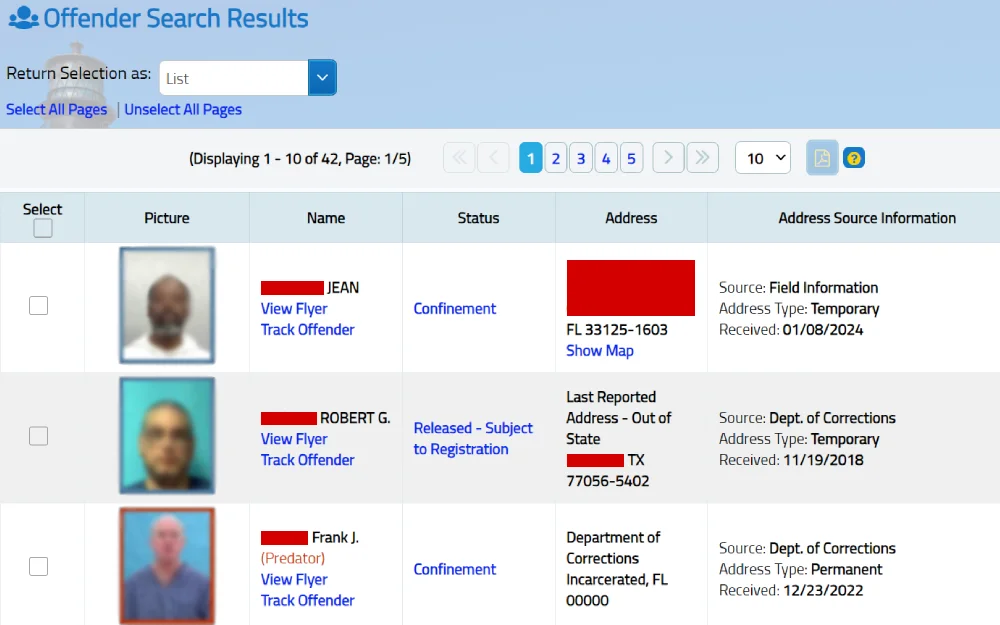
- Mugshots: Photographs taken by the arresting agency or county jail.
- Physical Descriptions: Basic identifying markers like height, weight, hair color, and tattoos.
- Bond and Court Details: Financial conditions for release and upcoming court dates.
Local vs. State-Level Records
Arrest records usually start at the local level. When someone is taken into custody, the local police department or county sheriff's office logs the event into their jail management system. Over time, these records are forwarded to state repositories, such as the Florida Department of Law Enforcement (FDLE), to create a more comprehensive criminal history profile.
Decoding Third-Party Sites and "FL Arrests OrgRegister"
Many internet users search for specific domains or aggregator terms like fl arrests orgregister expecting a single, centralized government database. However, it is essential to distinguish between official government portals and commercial data brokers.

Commercial background check sites often scrape public jail logs and republish them. While these platforms can be convenient, they come with notable caveats:
- Outdated Information: If charges are dropped, reduced, or expunged, third-party sites frequently fail to update their databases in real time.
- Paywalls: Official government portals are generally free to search, whereas commercial registries often charge fees or require monthly subscriptions to view full reports.
- Data Accuracy: Automated scraping can sometimes merge records of people with identical names, leading to mistaken identity confusion.
Official Ways to Search Florida Records
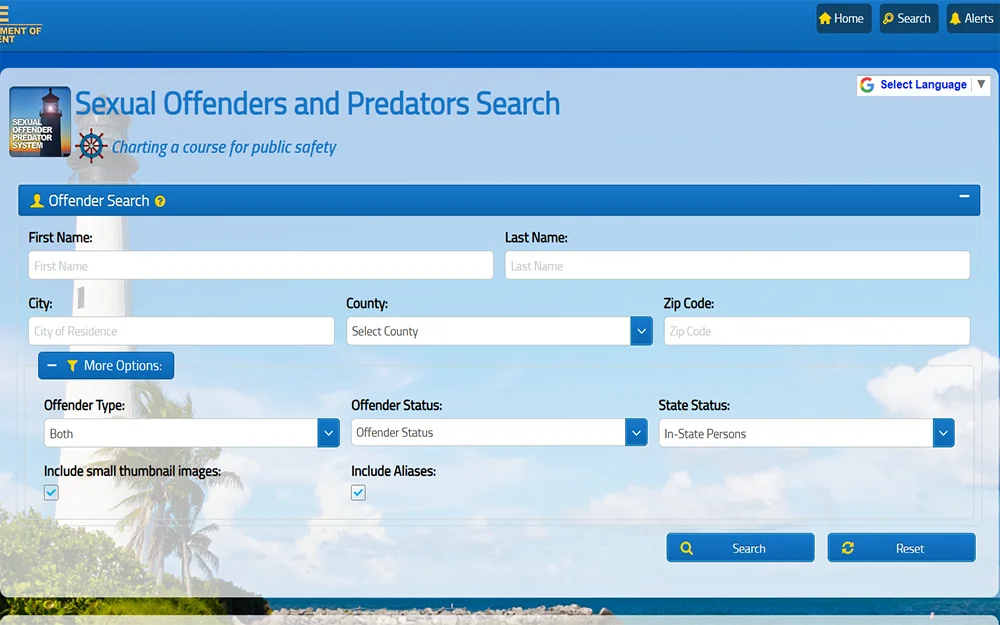
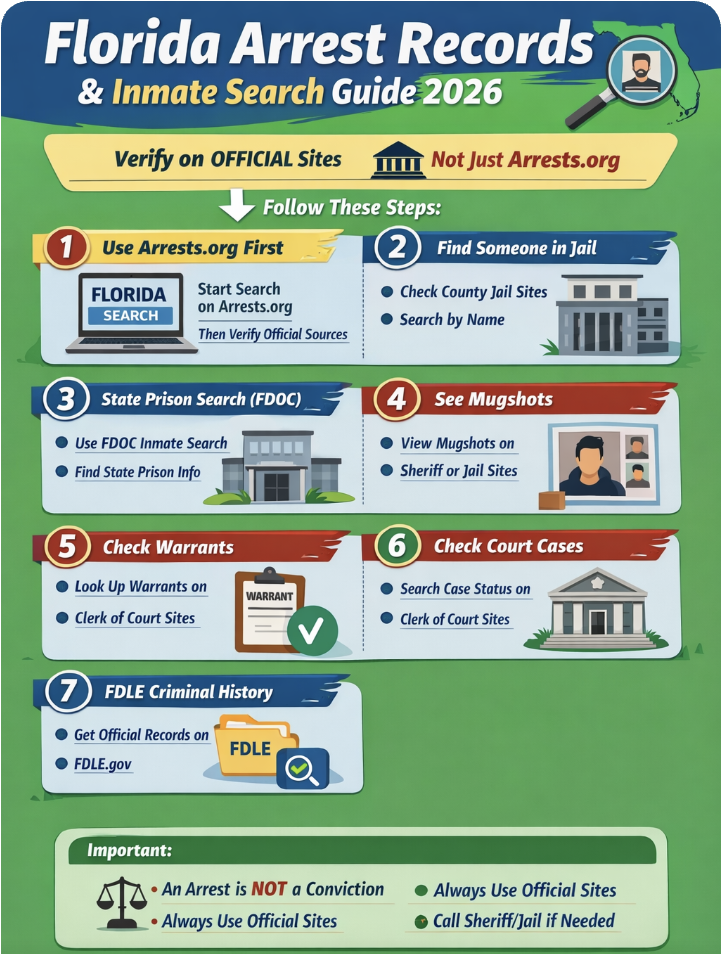
If you want accurate, official information regarding criminal histories in Florida, you should rely on authorized state and county channels rather than unverified aggregator links.
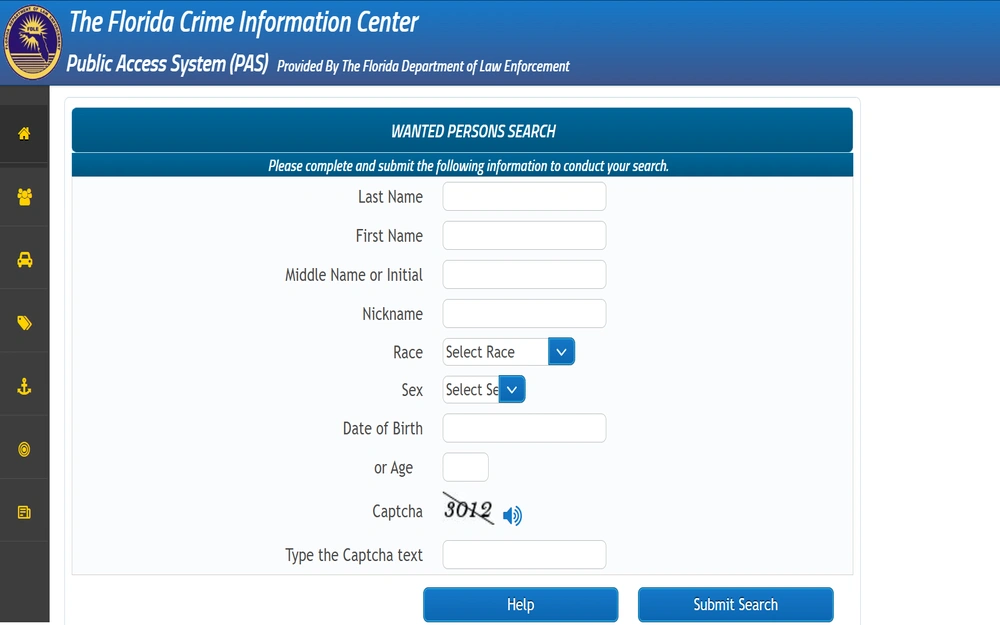
- Florida Department of Law Enforcement (FDLE): The FDLE provides a public criminal history search tool online (often referred to as Computerized Criminal History or CCH). It costs a small fee per search and pulls official state records.
- County Sheriff Office Inmate Lookups: If you know the specific county where an arrest occurred (such as Miami-Dade, Orange, or Hillsborough), visiting the local sheriff's official website usually provides a free daily jail roster or inmate search tool.
- Clerk of Court Websites: For the final disposition of a case—such as whether a person was convicted, acquitted, or had charges dismissed—the local county Clerk of Court database is the most accurate source.
Understanding Your Rights and Privacy
The widespread availability of arrest records has sparked significant legal and ethical discussions in Florida and across the United States. Because an arrest is not the same as a conviction, many individuals suffer reputational or professional harm from having their mugshots and booking details permanently hosted online.
To combat predatory practices, Florida law regulates how commercial mugshot websites operate. Under state statutes, companies that publish booking photos for commercial purposes are generally required to remove them within a specific timeframe if requested, provided the charges were dropped or the subject was acquitted. Furthermore, individuals who qualify for record sealing or expungement can petition the court to legally remove criminal history details from public view entirely.
Conclusion
Navigating criminal history data requires caution and a clear understanding of where the information originates. While terms like fl arrests orgregister might point you toward various online lookup tools, always cross-reference what you find with official county sheriff databases or the FDLE. By relying on official state and local channels, you can ensure the data you are viewing is accurate, legal, and current.