Understanding Infor Workforce AMC: A Complete Guide
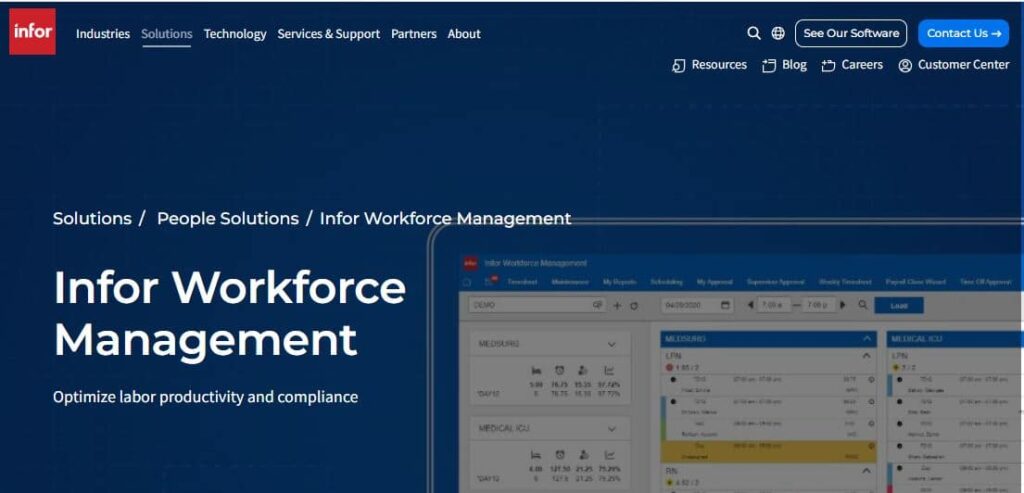
In today's fast-paced business environment, managing human capital effectively is a critical differentiator for large enterprises. Organizations constantly seek ways to balance labor costs, ensure strict regulatory compliance, and keep employees engaged. This is where specialized enterprise solutions come into play. Among the leading tools in this space, Infor Workforce AMC stands out as a powerful component designed to optimize labor scheduling, time tracking, and human resource administration.
If your organization uses or is considering Infor's suite of enterprise applications, understanding how the workforce absence management and compliance capabilities fit into your operational strategy is essential. This guide breaks down what the system does, its core features, and how to maximize its value.
What Is Infor Workforce AMC?
Infor Workforce AMC (often associated with advanced absence management, compliance, and labor scheduling frameworks within Infor's broader Human Capital Management suite) is engineered to tackle the complexities of modern workforce operations. Managing employees goes beyond simply tracking hours worked; it involves navigating intricate labor laws, union rules, company policies, and unpredictable staffing needs.
The system acts as a centralized engine to automate and streamline these processes. By reducing manual administrative tasks, HR teams and operational managers can focus on strategic initiatives rather than getting bogged down by timesheet discrepancies and scheduling conflicts.
Core Features and Capabilities
To truly understand the value of this solution, it helps to examine its primary functional pillars. These features are designed to integrate seamlessly with other Infor ERP and HCM modules, creating a unified data environment.
Advanced Scheduling and Labor Optimization
Labor is typically one of the largest operating expenses for any business. Ineffective scheduling leads to either overstaffing (wasting money) or understaffing (harming productivity and customer service). Infor’s workforce tools offer:
- Demand-driven scheduling based on historical data and forecasted business needs.
- Automated shift matching that considers employee availability, skills, and certifications.
- Real-time visibility into labor costs before shifts are even published.
Absence and Leave Management
Managing unplanned absences, vacation requests, and complex medical leaves (such as FMLA) is a notoriously difficult administrative hurdle. The AMC framework simplifies this by tracking leave balances, automating approval workflows, and ensuring that replacements are scheduled efficiently to prevent operational bottlenecks.
Compliance and Risk Mitigation
Labor regulations vary significantly by region, industry, and employee classification. Non-compliance can result in heavy fines and legal liabilities. Infor Workforce AMC helps organizations mitigate these risks by:

- Enforcing local, state, and federal labor laws automatically within the scheduling engine.
- Tracking mandatory rest periods, maximum working hours, and overtime triggers.
- Maintaining accurate audit trails for all time-off requests and scheduling adjustments.
Key Benefits for Enterprises
Implementing a sophisticated workforce management system yields tangible returns on investment. Organizations typically experience several key improvements after deploying Infor's solution:
- Increased Operational Efficiency: Automation cuts down the hours spent on manual schedule creation, payroll preparation, and absence tracking.
- Improved Employee Satisfaction: Modern self-service portals allow employees to swap shifts, request time off, and view schedules from mobile devices, leading to higher engagement.
- Cost Reduction: Minimizing unnecessary overtime and aligning staffing levels strictly with real-time demand significantly lowers labor overhead.
- Data-Driven Decision Making: Robust reporting tools give leadership deep insights into labor productivity, absenteeism trends, and workforce utilization rates.
Best Practices for Successful Implementation
Deploying any enterprise software requires careful planning and execution. To ensure a smooth rollout of your workforce management capabilities, consider the following best practices:
Engage Stakeholders Early
Involve HR professionals, IT specialists, payroll administrators, and frontline managers from the very beginning. Each group has unique insights into daily operational friction points that the software needs to solve.
Invest in Comprehensive Training
Even the most intuitive software will fail if users do not know how to operate it. Tailor your training programs to different audiences—such as managers learning how to build schedules versus employees learning how to submit time-off requests.
Clean Your Data
Before migrating or integrating data into the system, audit your existing employee records, pay rules, and scheduling policies. Clean data prevents errors and ensures accurate automated calculations from day one.
Conclusion
Managing a modern workforce requires tools that go beyond basic spreadsheets and legacy software. Infor Workforce AMC provides organizations with the automation, compliance safeguards, and analytical depth needed to navigate complex labor landscapes. By optimizing schedules, simplifying absence management, and aligning labor with business demand, companies can drive productivity while keeping costs under control. Proper planning, stakeholder engagement, and ongoing training will ensure your organization reaps the full benefits of this enterprise solution.