Understanding Intersex Identity and Media Representation
Introduction to Intersex Realities and Media
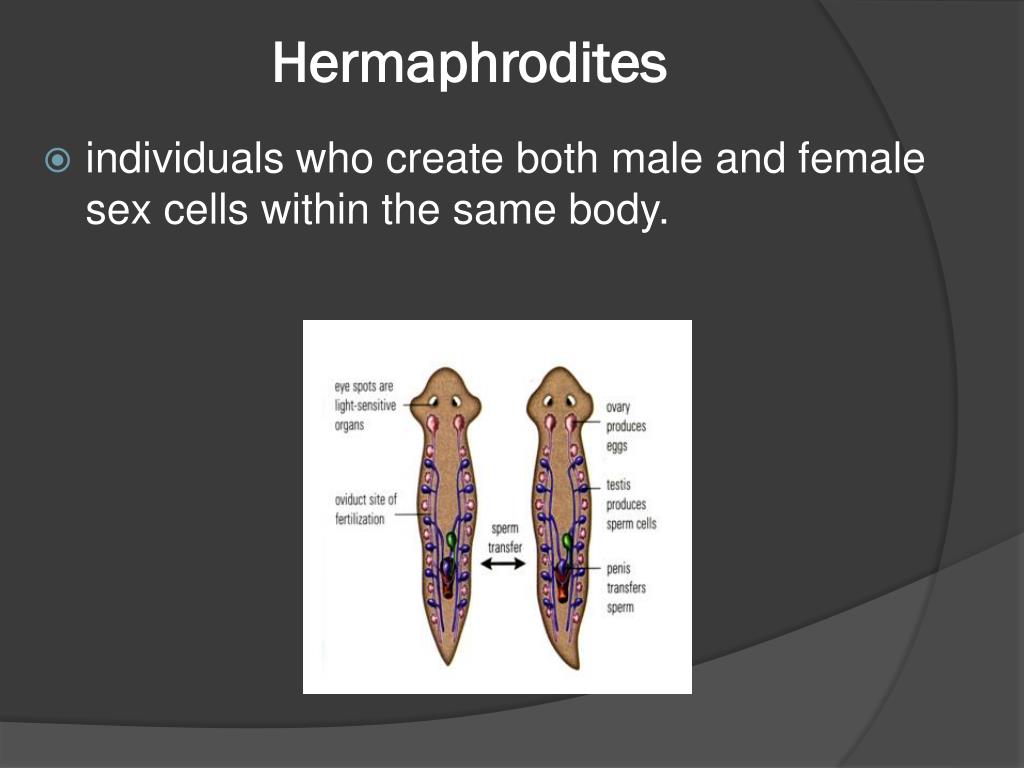
When people search online for terms like "hermaphrodite videos," they are usually looking for adult content featuring individuals with both male and female anatomical traits. However, understanding the actual human experiences behind these searches requires moving past sensationalized media and exploring the medical, social, and historical realities of being intersex. True education in this space replaces outdated medical jargon with respectful, accurate terminology.
In modern clinical and social contexts, the term "hermaphrodite" is considered medically inaccurate and stigmatizing when applied to humans. Instead, the umbrella term "intersex" is used to describe individuals born with reproductive or sexual anatomy that doesn't fit the typical definitions of female or male. Examining how these bodies are represented online reveals a significant gap between accurate education and adult entertainment tropes.
The Medical and Biological Reality
Intersex traits are a natural variation in human biology rather than a single medical condition. Chromosomes, hormones, and internal or external genitalia can all develop in diverse ways. Medical experts estimate that roughly 1.7% of the population is born with intersex traits—a frequency comparable to being born with red hair.
Genetic and Hormonal Variations
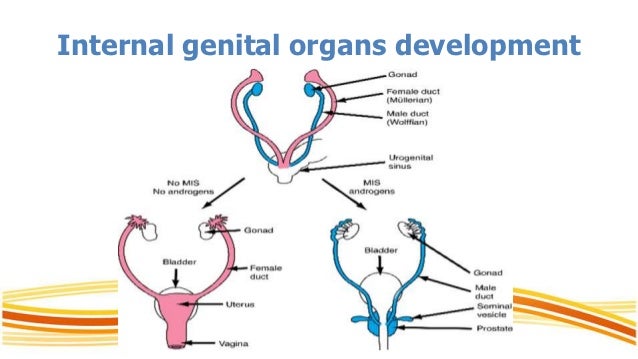
Human biological sex is not strictly binary. Variations can occur at multiple developmental stages:
- Chromosomal Variations: Conditions such as Klinefelter syndrome (XXY) or Turner syndrome (XO) involve sex chromosomes that differ from standard XY or XX patterns.
- Hormonal Insensitivity: Individuals with Complete Androgen Insensitivity Syndrome (CAIS) have XY chromosomes but develop external female anatomy.
- Atypical Genital Development: Some infants are born with genitalia that appear intermediate between traditional male and female structures.
History of the Term and Evolving Language
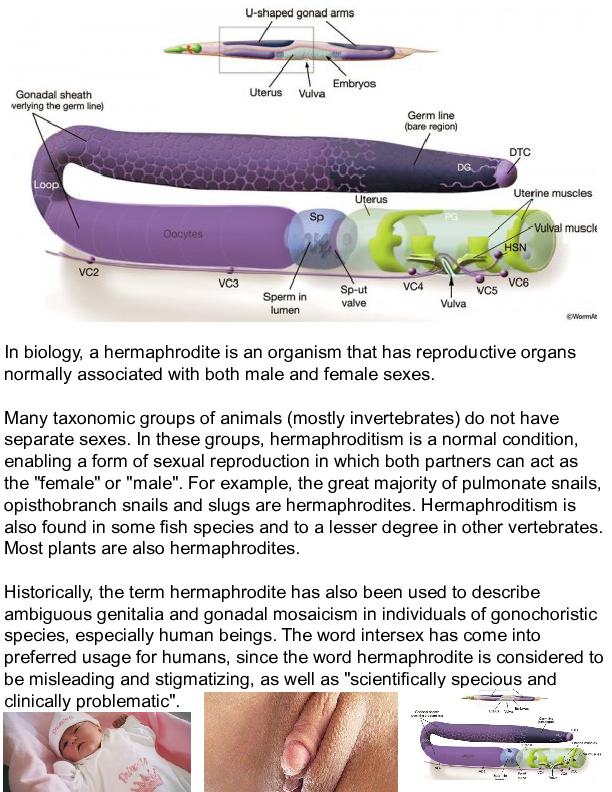
Historically, mythology and early medicine used the term "hermaphrodite"—derived from Hermaphroditus, the child of Hermes and Aphrodite in Greek mythology who possessed the physical traits of both sexes. In centuries past, medical texts cataloged these individuals as rare curiosities.

During the 20th century, standard medical protocol unfortunately shifted toward performing non-consensual, cosmetic surgeries on intersex infants to force their bodies into a binary mold. Today, human rights organizations, medical associations, and intersex advocates strongly condemn these early childhood procedures, advocating instead for bodily autonomy and patient-led decisions later in life.
Navigating Online Content: Beyond Hermaphrodite Videos
The digital landscape often commodifies minority identities for adult entertainment. Searching for "hermaphrodite videos" typically leads to a mix of fictional content, pornography featuring transgender performers, and rare documentaries. Unfortunately, much of this content relies on fetishization rather than education.
For those genuinely interested in understanding intersex lives, documentary films, memoir literature, and educational advocacy groups offer far more authentic insights than commercial adult websites. Platforms created by intersex activists focus on lived experiences, healthcare rights, and social acceptance.
Where to Find Accurate Information
If you want to learn more about intersex individuals without relying on exploitative media, consider exploring the following resources:
- Advocacy Organizations: Groups like interACT and the Intersex Society of North America (ISNA) provide comprehensive educational materials.
- Documentaries: Films such as *Intersexion* offer firsthand accounts from people living with these traits.
- Academic Literature: Medical journals and sociological studies provide objective analysis of sex development and patient rights.
Conclusion
The curiosity that drives searches for specialized adult content presents an opportunity for deeper education. By replacing outdated language with respectful terminology and listening directly to intersex voices, society can move away from fetishization and toward genuine understanding and inclusion.