Understanding James 4:12 KJV: The Lawgiver and Judge
When reading the General Epistle of James, readers often encounter direct, practical challenges to everyday Christian living. Among these, the verse known as james 4:12 kjv stands out as a sharp reminder of divine authority and human limitation. The King James Version translates this passage with traditional gravity, cutting straight to the heart of how believers ought to view moral authority, humility, and interpersonal judgment.
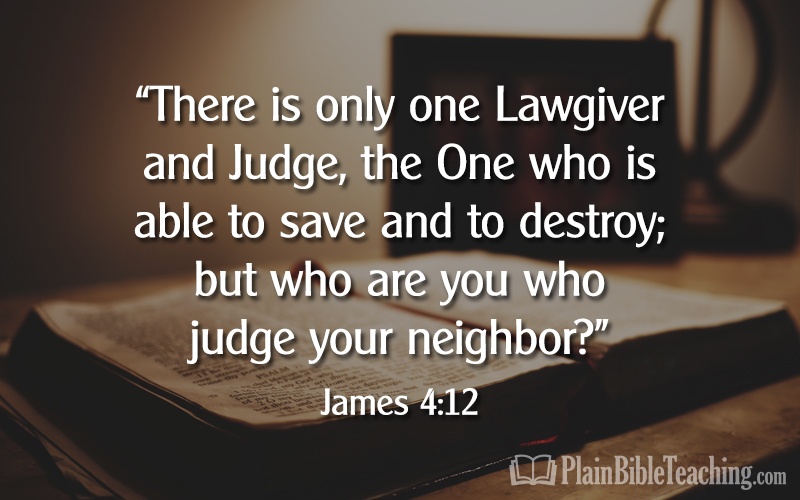
In this article, we will examine the text of James 4:12 KJV, explore its immediate context within the fourth chapter, break down its theological implications, and apply its timeless wisdom to modern Christian life.
The Text of James 4:12 KJV
To understand the depth of this passage, we must first look at the exact wording provided by the King James Version:
"There is one lawgiver, who is able to save and to destroy: who art thou that judgest another?" (James 4:12, KJV)
This concise statement packs immense theological weight into two rhetorical questions and declarations. It identifies God as the singular source of moral law, emphasizes His ultimate sovereignty over eternal destinies, and challenges the human tendency to usurp the judicial seat over our neighbors.
Context within James Chapter 4
Every verse of Scripture is best understood within its broader context. Chapter 4 of James addresses several interrelated issues among early Jewish-Christian communities, including relational conflict, worldliness, pride, and presumptuous planning.
Addressing Slander and Harsh Judgment
Immediately preceding verse 12, James gives a specific command regarding speech:
"Speak not evil one of another, brethren. He that speaketh evil of his brother, and judgest his brother, speaketh evil of the law, and judgest the law: but if thou judgest the law, thou art not a doer of the law, but a judge." (James 4:11, KJV)
Here, James connects speaking evil against a fellow believer with sitting in judgment over God's law itself. When we demean or condemn others out of self-righteousness, we act as though we stand above the moral standard rather than under it. Verse 12 serves as the theological climax and foundation for this warning.
The Danger of Human Arrogance
The broader chapter warns against pride. In verses 13 through 16, James cautions merchants and planners against boasting about tomorrow without acknowledging God's sovereignty. The overarching theme of James 4 is absolute submission to God. Whether dealing with how we treat our neighbors (verses 11–12) or how we plan our futures (verses 13–15), human beings are constantly reminded to stay in their proper place as creatures rather than Creator.
Breaking Down Key Themes in James 4:12 KJV

To fully grasp what James is communicating, we can break down the verse into three core theological concepts:
- The Sole Lawgiver: There is only one who establishes the moral boundaries and ultimate statutes for humanity.
- The Power to Save and Destroy: Ultimate judgment—eternal salvation or condemnation—belongs exclusively to the Creator.
- The Rhetorical Challenge: "Who art thou that judgest another?" highlights human finitude and the absurdity of playing God.
1. God as the Sole Lawgiver
James declares, "There is one lawgiver." In the ancient world, kings, emperors, and religious councils frequently made laws to control populations and enforce compliance. However, James points believers past human legislation and religious traditions to the divine standard.
God alone possesses the wisdom, holiness, and authority to define right and wrong. When believers judge one another by petty standards, personal preferences, or ungodly biases, they effectively act as rival lawgivers.
2. The Authority to Save and Destroy
The verse continues: "...who is able to save and to destroy." This phrase underlines the immense gap between God and humanity. Humans can influence one another socially or emotionally, but no human being holds the power of eternal life or eternal death.
Because only God holds the keys to ultimate destiny, attempting to eternally condemn or write off another person is an encroachment on divine prerogatives. It is an attempt to wear a crown that belongs to God alone.
3. The Confrontational Question
James ends the verse with a probing question: "...who art thou that judgest another?" This echoes similar rhetorical questions found throughout Scripture, most notably in the Book of Job or the Apostle Paul's writings in Romans 14:4: "Who art thou that judgest another man's servant? to his own master he standeth or falleth."
By asking "who art thou," James strips away human pretense. We are dust; we are finite, flawed, and prone to blind spots. Recognizing our own weakness naturally cures our eagerness to condemn others.
Practical Applications for Modern Believers
Knowing the definition of James 4:12 KJV is valuable, but applying it transforms daily behavior. Here are practical ways to live out this Scripture today:
- Guard Your Speech: Be mindful of gossip, harsh criticism, and tearing down other believers in conversation or online.
- Distinguish Between Discernment and Condemnation: Scripture encourages biblical discernment and church accountability, but this is entirely different from hyper-critical, self-righteous condemnation.
- Cultivate Humility: Remind yourself daily of your own need for grace. A person who deeply understands their own forgiveness is far less likely to harshly judge others.
- Leave Justice to God: When wronged, resist the urge to exact personal vengeance or pronounce ultimate judgment. Trust God to handle justice in His perfect timing.
Conclusion
The timeless message of james 4:12 kjv cuts through our daily tendency toward pride, gossip, and self-righteousness. By reminding us that God is the sole Lawgiver and Judge who alone holds the power of life and death, Scripture calls us away from the judgment seat and back to a posture of humility and love. As we navigate relationships within the family of God and the world at large, let us remember our place as servants under grace rather than judges over our peers.


