Understanding Nudifier Sites: Risks and Realities
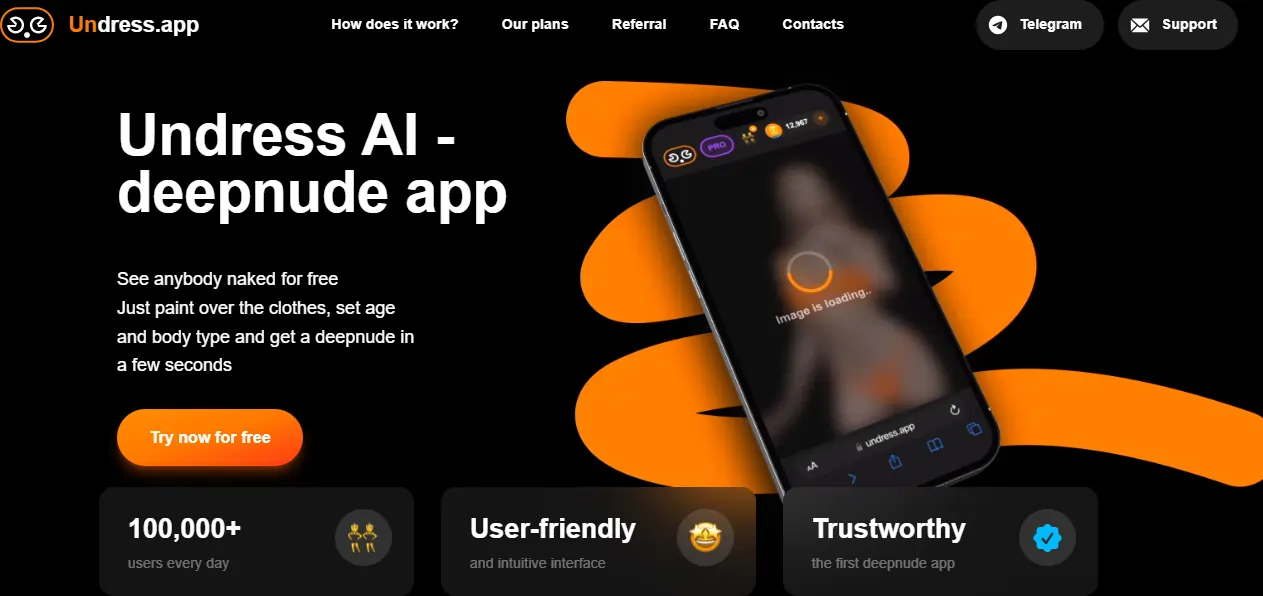
In recent years, the rapid advancement of artificial intelligence and machine learning has introduced powerful tools for image manipulation. Among these developments, platforms commonly referred to as nudifier sites have emerged, sparking widespread debate across the tech industry, legal sectors, and digital safety advocacy groups. These applications use generative AI to digitally remove clothing from photographs of people, creating highly realistic yet entirely fabricated nude images.

While the technology behind these platforms showcases the capabilities of modern neural networks, it also presents profound ethical, legal, and privacy concerns. Understanding how these sites operate, the technology driving them, and the very real dangers they pose is crucial for navigating modern digital spaces safely.
What Are Nudifier Sites?
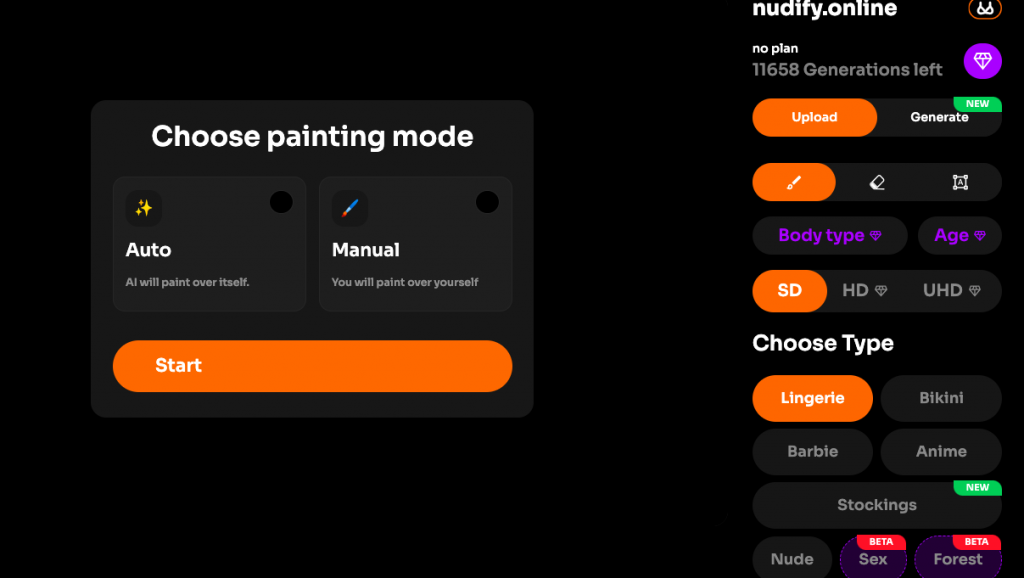
Nudifier sites are online platforms or software applications that utilize artificial intelligence—specifically deep learning models and generative adversarial networks (GANs)—to alter clothed photographs. Users upload an image of a person, and the software processes the image to generate a nude representation based on the subject's posture, body shape, and lighting cues.
These tools are part of a broader category often discussed under the umbrella of non-consensual artificial intelligence (NCAI) imagery or deepfakes. Unlike traditional photo editing, which requires manual skills in software like Photoshop, AI-powered systems automate the process, making it accessible to anyone with an internet connection and a digital photograph.
The Technology Behind AI Undressing Tools
To understand why these platforms are so controversial, it helps to understand the underlying mechanics. Most nudifier sites rely on advanced computer vision algorithms trained on vast datasets of human anatomy and imagery.
- Image Segmentation: The algorithm first identifies the subject in the photo, separating the person from the background and mapping out clothing boundaries.
- Generative Inpainting: Using pattern recognition, the AI estimates what the covered areas of the body should look like, predicting skin tones, body contours, and proportions based on the visible parts of the subject.
- Blending and Lighting: Finally, the model matches the lighting, shadows, and resolution of the original photo to make the generated output look as seamless and convincing as possible.
The result is an image that looks authentic to the untrained eye, even though every pixel of the generated body is completely synthetic.
Privacy Violations and Ethical Concerns
The proliferation of nudifier sites has created a massive crisis regarding personal privacy and consent. Because these platforms can process photographs of virtually anyone—including private citizens, public figures, and minors—they are frequently weaponized for harassment, bullying, and extortion.
One of the most alarming aspects of this technology is its use in targeted harassment campaigns against women. Studies and digital safety reports indicate that the vast majority of non-consensual AI imagery targets women without their knowledge or permission. This creates a severe psychological toll on victims, who may feel violated even though the images were generated entirely by a computer algorithm rather than captured by a camera.
Legal Ramifications and Platform Regulations

As the dangers of nudifier sites become more apparent, governments and tech companies are taking steps to address the issue through legislation and policy enforcement.
Legal Frameworks
Many jurisdictions are updating or introducing new laws to criminalize the creation and distribution of non-consensual AI-generated explicit images. In several countries and U.S. states, legislators have classified the use of nudifier tools without consent as a serious offense, carrying heavy fines and potential prison sentences.
Existing laws regarding voyeurism, cyberstalking, and copyright infringement are also being applied to developers and users of these platforms. Furthermore, victims increasingly have grounds for civil lawsuits against individuals who generate and share these manipulated images.
Platform Moderation and Countermeasures
Major web hosting providers, payment processors, and domain registrars are actively cracking down on nudifier sites. Many artificial intelligence companies also implement strict guardrails and safety filters in their foundational models to prevent the generation of explicit content. However, because open-source models can be downloaded and modified independently, bad actors continuously find ways to host and operate rogue websites.
Protecting Yourself in the Digital Age
Given the accessibility of AI manipulation tools, practicing good digital hygiene is more important than ever. While it is impossible to completely prevent someone from attempting to misuse your images, certain steps can reduce your risk:
- Audit Your Social Media Privacy: Limit who can view, download, or tag your photos on platforms like Instagram, Facebook, and LinkedIn. Public profiles make it exceptionally easy for scrapers to harvest images.
- Watermark Your Photos: Adding subtle, semi-transparent watermarks across published images can disrupt AI processing and make automated generation much more difficult or distorted.
- Monitor Your Digital Footprint: Regularly search your name or reverse-image search your portraits to check if your photos are being reposted or misused elsewhere online.
Conclusion
Nudifier sites represent a dark side of rapid technological innovation. While generative artificial intelligence offers incredible benefits in fields like medicine, art, and productivity, the misuse of these tools to violate personal privacy is a pressing modern challenge. Awareness, stricter legal penalties, and robust platform moderation are essential steps in protecting individuals from the harms associated with non-consensual AI imagery.