Understanding the 215 Pill: Identification and Risks
What is the 215 Pill?

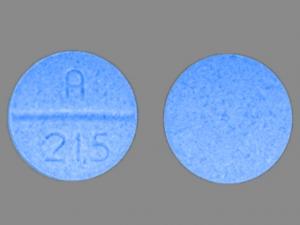
When someone encounters a small blue round tablet marked with a "215" imprint, they are typically looking at a 215 pill. Historically, pharmaceutical markings and imprints served as a straightforward way for patients, pharmacists, and medical professionals to identify prescription medications accurately.
However, the landscape of pill identification has changed dramatically. Today, finding information about specific imprint codes requires extreme caution. Understanding what these markings mean—and more importantly, what counterfeiters are doing with them—is vital for public safety and harm reduction.
Historical Identification and Medical Context
In legitimate pharmaceutical manufacturing, imprint codes are strictly regulated by agencies like the U.S. Food and Drug Administration (FDA). Drug manufacturers must register every pill's color, shape, score line, and imprint code.
Original Prescription Association
Traditionally, the 215 imprint code was associated with generic oxycodone hydrochloride 30 mg tablets produced by certain pharmaceutical manufacturers. These were potent opioid analgesics prescribed strictly for the management of severe pain when alternative treatments were insufficient.
Physical Characteristics of Legitimate Tablets
Genuine pharmaceutical-grade oxycodone 30mg tablets typically featured specific characteristics:
- A distinct light blue color.
- A round shape, often with a score on one side and the imprint "215" on the other.
- Consistent weight, texture, and chemical composition produced under strict laboratory controls.
The Dangers of Counterfeit 215 Pills
The most critical fact regarding the 215 pill today is that legitimate pharmaceutical companies no longer widely manufacture tablets with this exact imprint in the same manner. The vast majority of blue round pills bearing the "215" imprint found on the illicit market are not authentic prescription medications.
Illicit Fentanyl Production
Illicit drug cartels and unauthorized underground laboratories routinely copy famous pharmaceutical imprints, including the 215 code, to deceive buyers into thinking they are purchasing prescription painkillers. Instead, these counterfeit pills are typically pressed using illicitly manufactured fentanyl or fentanyl analogues mixed with various binders and fillers.
Lethal Dosage Inconsistencies

Counterfeit manufacturing lacks any quality control. As a result:
- Active ingredients are unevenly distributed throughout the pill batch (known as the "hot spot" phenomenon).
- A single pill may contain a fatal dose of fentanyl, while another in the same batch might contain very little.
- Visual inspection alone is generally insufficient to distinguish a genuine pharmaceutical product from a lethal counterfeit.
Recognizing Opioid Overdose Symptoms
Because illicitly manufactured 215 pills almost universally contain synthetic opioids like fentanyl, accidental overdoses are extremely common. Knowing the signs of an opioid overdose can save a life.
Key Signs of Overdose
- Unresponsiveness: The person cannot be woken up from sleep or loss of consciousness.
- Slow or Shallow Breathing: Breathing becomes dangerously slow, erratic, or stops entirely.
- Discoloration: Lips, fingernails, or skin turn blue, gray, or purple (cyanosis).
- Choking Sounds: The person may make gurgling, snoring, or choking noises.
- Limp Body: Muscles become completely relaxed and limp.
Safety Measures and Harm Reduction
Public health agencies emphasize several critical safety measures regarding unidentified prescription drugs and potential opioid exposure.
Never Trust Street Drugs
Any pill obtained outside of a licensed, accredited retail pharmacy—whether from a social contact, an online marketplace, or an unregulated source—carries a high risk of being counterfeit and containing lethal amounts of fentanyl.
Availability of Naloxone
Naloxone (commonly known by brand names like Narcan) is a life-saving medication that can rapidly reverse an opioid overdose by blocking opioid receptors in the brain. Communities, families, and individuals impacted by substance use are increasingly encouraged to carry naloxone nasal spray.
If you suspect an overdose involving a 215 pill or any other opioid:
- Call emergency services (such as 911) immediately.
- Administer naloxone if available.
- Perform rescue breathing or CPR if trained.
- Stay with the person until emergency medical personnel arrive.
Conclusion
While the 215 pill historically represented a specific pharmaceutical analgesic, today it serves as a stark warning about the prevalence of counterfeit prescription drugs. Because illicitly pressed pills frequently contain lethal doses of synthetic fentanyl, any unfamiliar medication poses a severe, life-threatening risk. Always obtain medications exclusively through legitimate medical channels and licensed pharmacies.