Understanding the 377 White Oblong Pill
Demystifying Pill Imprints and Identification

Navigating the world of prescription medications can be confusing, especially when trying to identify a stray tablet in a medicine cabinet. Pill imprint codes are strictly regulated alphanumeric strings stamped onto pharmaceutical products by manufacturers. These codes serve as a foolproof fingerprint for healthcare providers, pharmacists, and emergency personnel. If you have come across a 377 white oblong pill, knowing how to identify it properly is the first step toward ensuring safety and understanding its medical purpose.
Visual identification alone, however, should never replace a professional consultation. Counterfeit pills are a growing concern, and many different generic manufacturers produce tablets that look remarkably similar. This guide breaks down what the 377 imprint typically signifies, how the medication works, and the critical safety precautions every patient should follow.
What is the 377 White Oblong Pill?
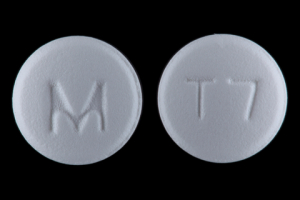
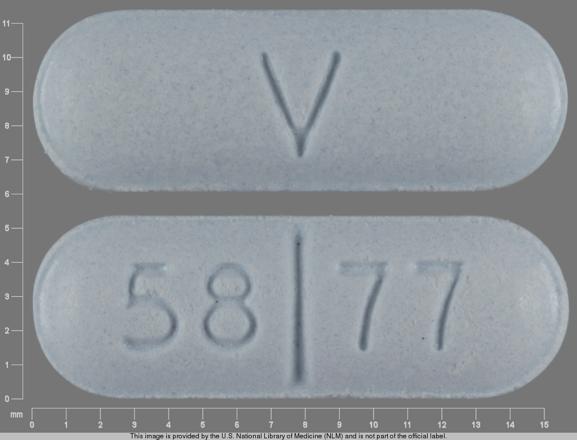
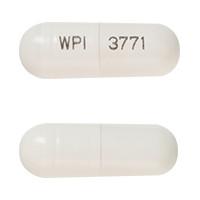
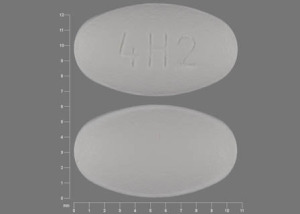
In standard pharmaceutical databases, a white, oblong-shaped tablet stamped with the number "377" is most commonly identified as Tramadol Hydrochloride 50 mg. Tramadol is a centrally acting synthetic opioid analgesic prescribed primarily to manage moderate to moderately severe pain in adults.
Understanding the physical characteristics helps confirm the medication:
- Color: White
- Shape: Oblong (capsule-shaped)
- Imprint: 377
Because multiple generic drug manufacturers produce tramadol, exact dimensions, score lines, and inactive ingredients can vary slightly depending on the specific pharmaceutical company that made the batch. However, the "377" imprint remains the standard identifier for this specific dosage strength among several generic suppliers.
How Tramadol Works in the Body
Tramadol functions differently from traditional non-steroidal anti-inflammatory drugs (NSAIDs) like ibuprofen, as well as from stronger, traditional opioids like morphine or oxycodone. It operates through a dual mechanism of action:
- Opioid Receptor Binding: It binds weakly to mu-opioid receptors in the central nervous system, altering how your brain perceives and responds to pain signals.
- Neurotransmitter Inhibition: It inhibits the reuptake of serotonin and norepinephrine, two vital neurotransmitters involved in modulating pain pathways in the spinal cord.
Because of this combined effect, it provides effective relief for chronic conditions, post-surgical recovery, or acute injury pain when milder analgesics prove insufficient.
Common Side Effects and Risks

Like all prescription medications, the 377 white oblong pill carries a spectrum of potential side effects. Most patients tolerate the medication well when taken as directed, but awareness of adverse reactions is essential.
Frequent Mild Side Effects
Many individuals experience mild to moderate symptoms during the first few days of starting treatment as their bodies adjust. These typically include:
- Dizziness or lightheadedness
- Nausea and occasional vomiting
- Constipation
- Headache
- Drowsiness or fatigue
Serious Warnings and Precautions
Tramadol is a controlled substance in many jurisdictions due to risks associated with misuse, dependence, and respiratory depression. Key risks include:
- Seizure Risk: Tramadol can lower the seizure threshold, particularly at higher-than-recommended doses or when combined with certain medications like antidepressants.
- Serotonin Syndrome: Combining tramadol with SSRIs, SNRIs, or other serotonergic drugs can trigger a potentially life-threatening condition characterized by agitation, rapid heart rate, and muscle rigidity.
- Dependence and Withdrawal: Long-term use can lead to physical dependence. Stopping abruptly can cause uncomfortable withdrawal symptoms, requiring a gradual tapering schedule supervised by a physician.
Important Safety and Legal Guidelines
Managing prescription pain medication requires strict adherence to safety protocols. Never take a pill if you are uncertain of its origin. Consuming medication prescribed for someone else poses severe health risks, including accidental overdose, allergic reactions, and dangerous drug interactions.
If you find an unlabelled medication such as the 377 white oblong tablet, consult a local pharmacist before taking any action. Pharmacists have access to advanced pill identifier software and reference guides to verify exact chemical compositions safely. When disposing of old or unneeded medications, utilize local drug take-back programs or community drop boxes rather than flushing them down the toilet or throwing them in household trash.
Conclusion
Proper identification of pharmaceutical products protects patients from severe health complications. While the 377 white oblong pill is widely recognized as 50 mg of tramadol, verifying this through a professional healthcare provider or pharmacist is vital. Always follow prescribed dosing instructions, communicate openly with your doctor about all other medications you take, and prioritize safe medication disposal practices to keep your household secure.