Understanding the Bank of America Fractional Number
When looking closely at a paper check, you might notice a small fraction printed near the top right corner, right above the date or next to the check number. This is often referred to as the Bank of America fractional number. While digital banking has made paper checks less common for everyday transactions, understanding these traditional banking codes remains helpful for account holders navigating specific financial tasks.

In this guide, we will break down what this number is, how it differs from your routing and account numbers, and why it still appears on modern checks.
What Is a Bank of America Fractional Number?
The fractional number—sometimes called the transit-PNC (American Bankers Association transit number) or fractional-form routing number—is a standardized code system developed in the early 20th century. Its primary purpose was to help bank employees and sorting machines quickly identify the geographic location of the issuing bank and the specific institution holding the account before the widespread adoption of computers and magnetic ink character recognition (MICR).
Unlike the modern nine-digit routing number printed at the bottom of a check, the fractional number uses a hyphenated numerator-and-denominator format. For example, a typical fractional number might look like 12-3456/7890.
How to Read the Fractional Code
The fractional number is broken down into specific segments that tell a story about the bank's identity and location:
- The Prefix (Numerator): The first part usually indicates the city or state where the bank is located, based on the Federal Reserve district system.
- The Bank Identifier: The middle section identifies the specific bank (in this case, Bank of America or its predecessor institution).
- The Suffix (Denominator): The bottom part of the fraction represents the Federal Reserve routing symbol, often corresponding to the transit routing number found at the bottom left of the check.
Fractional Number vs. Routing Number
It is very common for people to confuse the Bank of America fractional number with the standard nine-digit routing number. However, they serve different purposes:

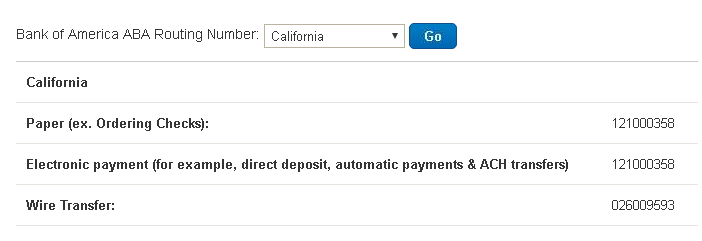
- The Routing Number: This is a 9-digit code found at the bottom left of your check. It is strictly required for electronic transactions, ACH transfers, direct deposits, and wire transfers.
- The Fractional Number: This is a secondary, legacy code printed near the top of the check. It is rarely required for modern electronic banking.
If you are setting up a direct deposit with your employer or linking an external bank account, you should always use your 9-digit routing number, not the fractional number. Entering a fractional number into an electronic form will typically result in an invalid routing number error.
Where to Find Your Bank of America Check Numbers
If you need to locate various numbers on your Bank of America check, here is a quick guide to help you distinguish between them:
- Top Right Corner: This is where you will find the fractional number and the check sequence number.
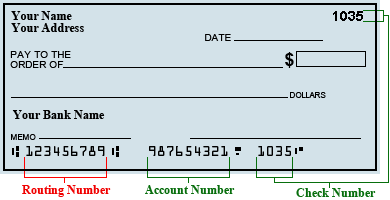
- Bottom Left Corner (9 Digits): This is your official ABA routing number, used for processing electronic debits and credits.
- Bottom Middle/Right: This string of numbers represents your unique Bank of America account number, followed by the check number again.
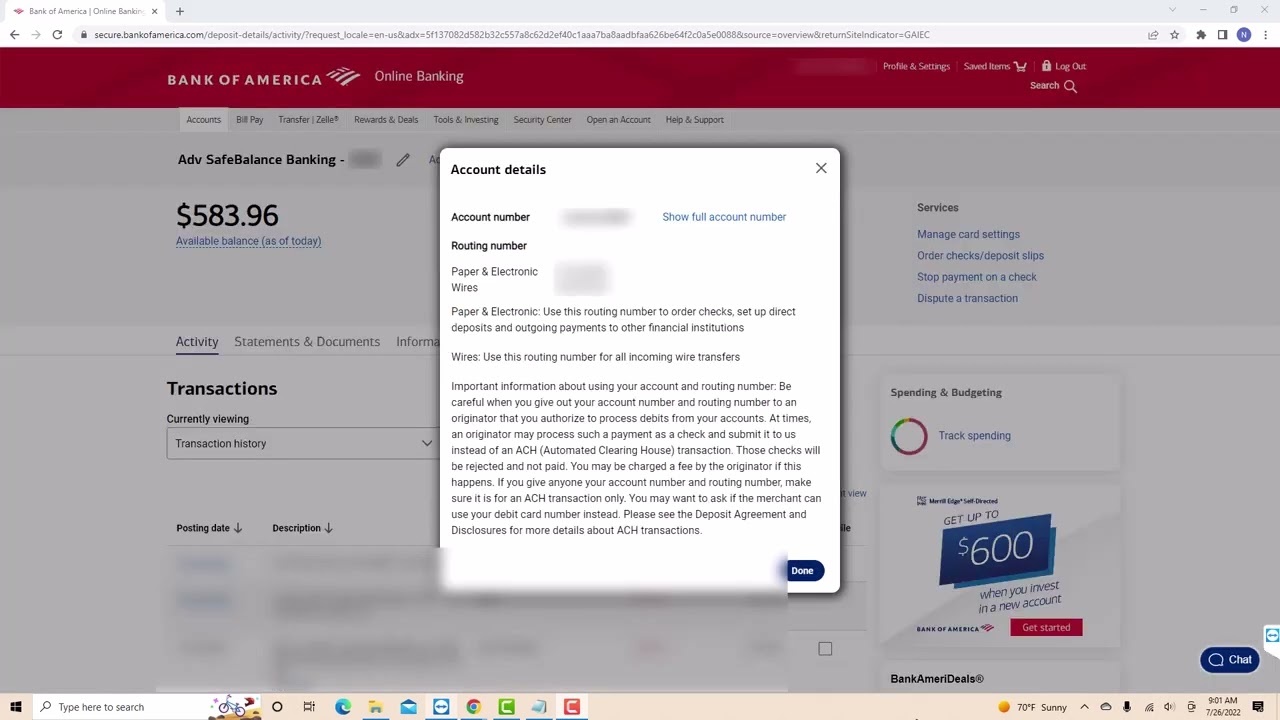
If you do not have a physical check handy, you can easily find your official 9-digit routing number by logging into the Bank of America mobile app or online banking portal, or by reviewing your account details statement.
Do You Need the Fractional Number Today?
For the average consumer, the Bank of America fractional number is largely obsolete. Modern check-processing machines rely on the MICR line at the bottom of the check, which includes the routing number, account number, and check number. Banks and automated clearing houses no longer depend on the fractional system to route funds.
However, the code remains printed on checks out of historical tradition and to assist in manual check processing or auditing if a check becomes damaged and the bottom machine-readable line is torn.
Summary
The Bank of America fractional number is a legacy banking tool found in the upper portion of traditional paper checks. While it played a vital role in check clearing before the digital age, today's account holders rarely need it. When performing modern financial transactions like direct deposits or online bill pay, always rely on your 9-digit routing number and account number instead.