Understanding the DPSST Police IRIS System
Introduction to the DPSST Police IRIS System

For law enforcement professionals and public safety agencies in Oregon, maintaining accurate records of training, certifications, and background compliance is a critical daily requirement. To streamline this complex administrative burden, the Department of Public Safety Standards and Training (DPSST) utilizes specialized digital infrastructure. Central to this digital management is the DPSST police IRIS system, a tool designed to modernize how agencies track officer credentials and training histories.
Navigating state standards requires precision. Whether you are a newly hired police recruit, a veteran peace officer, or an agency training coordinator, understanding how this system operates is essential for maintaining active certification and ensuring full regulatory compliance across the state of Oregon.
What is the DPSST IRIS Platform?
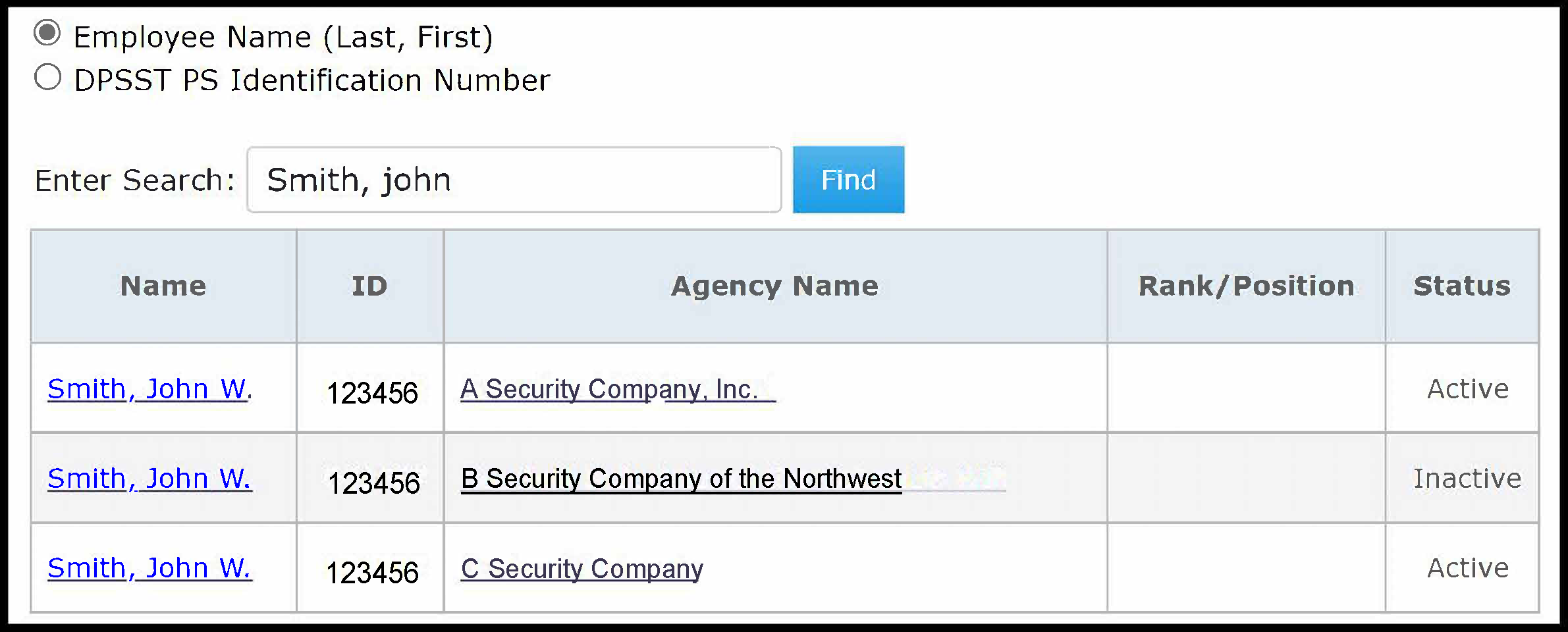
The Department of Public Safety Standards and Training governs the certification, training, and standards of police officers, corrections officers, parole and probation officers, and fire service personnel in Oregon. The IRIS platform functions as the central database and portal that supports these regulatory functions.
In essence, IRIS serves as the digital bridge between individual public safety professionals, their employing agencies, and the state regulatory body. It replaces cumbersome paper trails with a centralized database capable of processing thousands of records securely and efficiently.
Core Functions of the System
The platform is engineered to handle several distinct administrative workflows:
- Certification Tracking: Monitoring the status of basic, intermediate, advanced, and supervisory certifications for law enforcement personnel.
- Training Compliance: Logging mandatory continuing education hours, firearms qualifications, and specialized courses required by Oregon law.
- Employment History: Recording hiring dates, agency transfers, separations, and background investigation milestones.
- Application Processing: Managing submissions for new certifications, waivers, and professional standard reviews.
Why the IRIS System Matters for Oregon Law Enforcement
Accountability and transparency are foundational pillars of modern policing. The DPSST police IRIS system provides an immutable audit trail that proves an officer has met all statutory requirements to carry a badge and firearm in Oregon.
For police departments and sheriff's offices, the system minimizes administrative overhead. Agency administrators can quickly run reports to see which officers are approaching certification deadlines or missing mandatory training hours. This proactive tracking prevents compliance gaps that could jeopardize an agency's liability standing or an officer's authority to make arrests.
Impact on Individual Officers
Individual peace officers also rely on the platform to manage their professional careers. Through user-authenticated portals, officers can:
- View their personal training transcripts in real-time.
- Verify that completed in-service courses have been properly credited by their agency or training providers.
- Track progress toward higher-tier professional certificates, which often come with pay incentives or career advancement opportunities.
Access, Security, and User Management
Because the IRIS database contains sensitive personnel data, background check information, and certification records, strict security protocols govern access. Unauthorized entry into law enforcement databases carries severe legal and professional consequences.
Access is typically tiered based on user roles:
- System Administrators: DPSST staff who oversee database integrity, approve state-level certifications, and manage systemic updates.
- Agency Training Coordinators: Designated personnel within local police departments who have permission to upload training records and submit certification requests for their specific staff.
- Individual Users: Licensed public safety officers who can view their own records and submit personal profile updates.
Multi-factor authentication, encrypted data transmission, and strict password policies are standard features protecting the platform against unauthorized access.
Troubleshooting and Best Practices
Like any enterprise software platform, users occasionally encounter technical hurdles or data discrepancies within IRIS. Training coordinators and officers can ensure a smooth experience by following a few operational best practices:
- Timely Data Entry: Agencies should upload training records shortly after course completion rather than batching entries at the end of the certification cycle.
- Regular Audits: Coordinators ought to run quarterly audit reports to catch missing credits, misspelled names, or incorrect certification numbers early.
- Direct Support Channels: When technical errors occur, users should contact the designated DPSST helpdesk rather than attempting unauthorized workarounds.
Conclusion
The DPSST police IRIS system is much more than a simple database; it is the backbone of professional accountability and standards enforcement for Oregon's law enforcement community. By centralizing training logs, certification tracking, and employment histories, the platform ensures that every peace officer meets the rigorous demands of public safety service. For agencies and officers alike, mastering the use of IRIS is an indispensable part of maintaining a trusted, highly qualified law enforcement workforce.