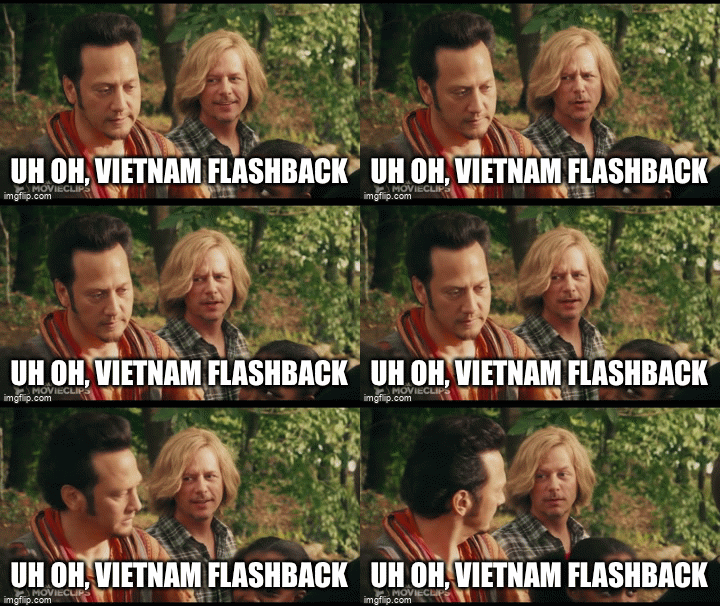
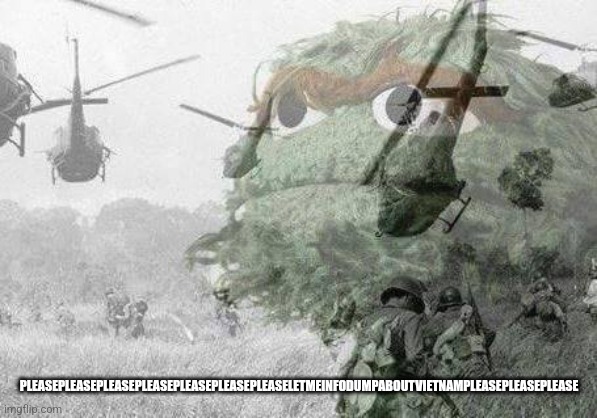
Understanding the Humor Behind Vietnam Flashbacks Meme
Internet humor thrives on exaggeration. Few formats capture the absurdity of modern overreaction quite like the image macro and video trend known as the Vietnam flashbacks meme. Whether it is a person staring blankly into space while generic 1960s rock plays, or a digital edit inserting a peaceful suburban parent into a warzone, this joke format has become a staple of online communication.
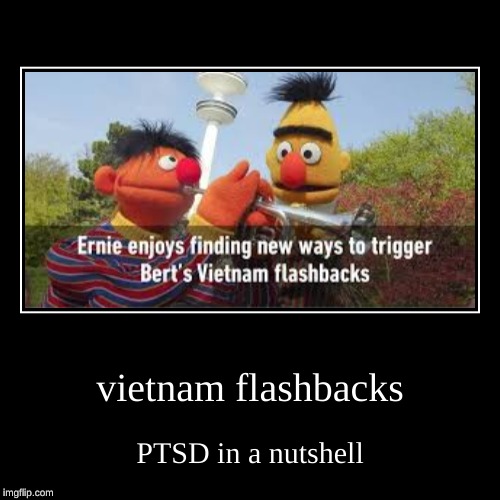
Understanding the humor behind Vietnam flashbacks meme culture requires looking past the dark historical context and examining how internet users repurpose serious trauma into universally relatable, mundane inconveniences.
The Origins and Evolution of the Meme
To understand how this joke spread across social media, it helps to look at its roots. The concept of the 'Vietnam flashback' in pop culture originally stemmed from post-traumatic stress disorder (PTSD) portrayals in 1980s and 1990s action films and dramas. Directors frequently used distorted sound design, shaky cameras, and red-tinted color grading to show veterans reliving combat moments triggered by everyday noises like car backfires.
As image macros gained popularity on platforms like 4chan, Reddit, and early Facebook meme pages, creators began subverting this cinematic trope. Instead of combat veterans, they applied the symptoms to ordinary people experiencing trivial inconveniences. A child hearing the sound of a vegetable peeler, a gamer losing a match, or an adult realizing they forgot to turn off the kitchen oven suddenly found themselves visually transported into the jungles of Southeast Asia.
Why We Find Sudden Trauma Humorous
Comedy often relies on incongruity—the gap between expectations and reality. The humor in these memes is built entirely on this principle. By contrasting a high-stakes, life-or-death historical trauma with a mundane, first-world annoyance, the meme creates a jarring comedic effect.
Key Psychological Elements of the Joke
Video: Noot noot (Vietnam Flashbacks)

- Hyperbole: The core mechanism is extreme exaggeration. Dropping an ice cube behind the refrigerator does not actually cause psychological shock, but the meme treats it with the gravity of a battlefield crisis.
- Relatability: Everyone has felt a sudden spike of panic or annoyance over minor things. The meme gives a ridiculous visual language to everyday anxiety.
- Desensitization and Coping: Internet culture frequently uses gallows humor to process anxiety. By wrapping modern stress in absurd historical parody, users make daily life feel more manageable.
Visual Tropes and Audio Cues
The meme relies heavily on specific multimedia cues to instantly signal the joke to the viewer. On static platforms like X (formerly Twitter) or Instagram, it typically appears as a sudden juxtaposition. In video formats on TikTok and YouTube Shorts, the execution becomes even more theatrical.
Creators often use unmistakable audio signatures:
Cultural Sensitivity and Evolution
Like many internet formats derived from serious historical events, the Vietnam flashbacks meme walks a fine line. Critics occasionally point out the dissonance of trivializing actual historical warfare and the real psychological scars borne by veterans. However, most cultural commentators note that the meme rarely targets veterans themselves; instead, it targets the melodramatic cinematic tropes used to depict them.
Over time, the format has evolved beyond literal Vietnam war imagery. Modern iterations replace the jungle backdrop with abstract surrealism, deep-fried visual filters, or random cartoon characters staring blankly into the middle distance, proving that the core idea—sudden mental overload from minor stimuli—is what truly resonates with audiences.
Conclusion
The endurance of this internet phenomenon proves that laughter remains one of our best tools for processing everyday stress. By taking the heavy, cinematic tropes of historical trauma and scaling them down to the annoyance of a dropped smartphone or a canceled plan, internet culture turns shared anxiety into collective comedy. The Vietnam flashbacks meme stands as a masterclass in modern surrealist humor, reminding us that sometimes, the only way to deal with life's tiny frustrations is to laugh through the imagined smoke.