Understanding the Map of Greater Israel: History & Claims
Introduction to Greater Israel

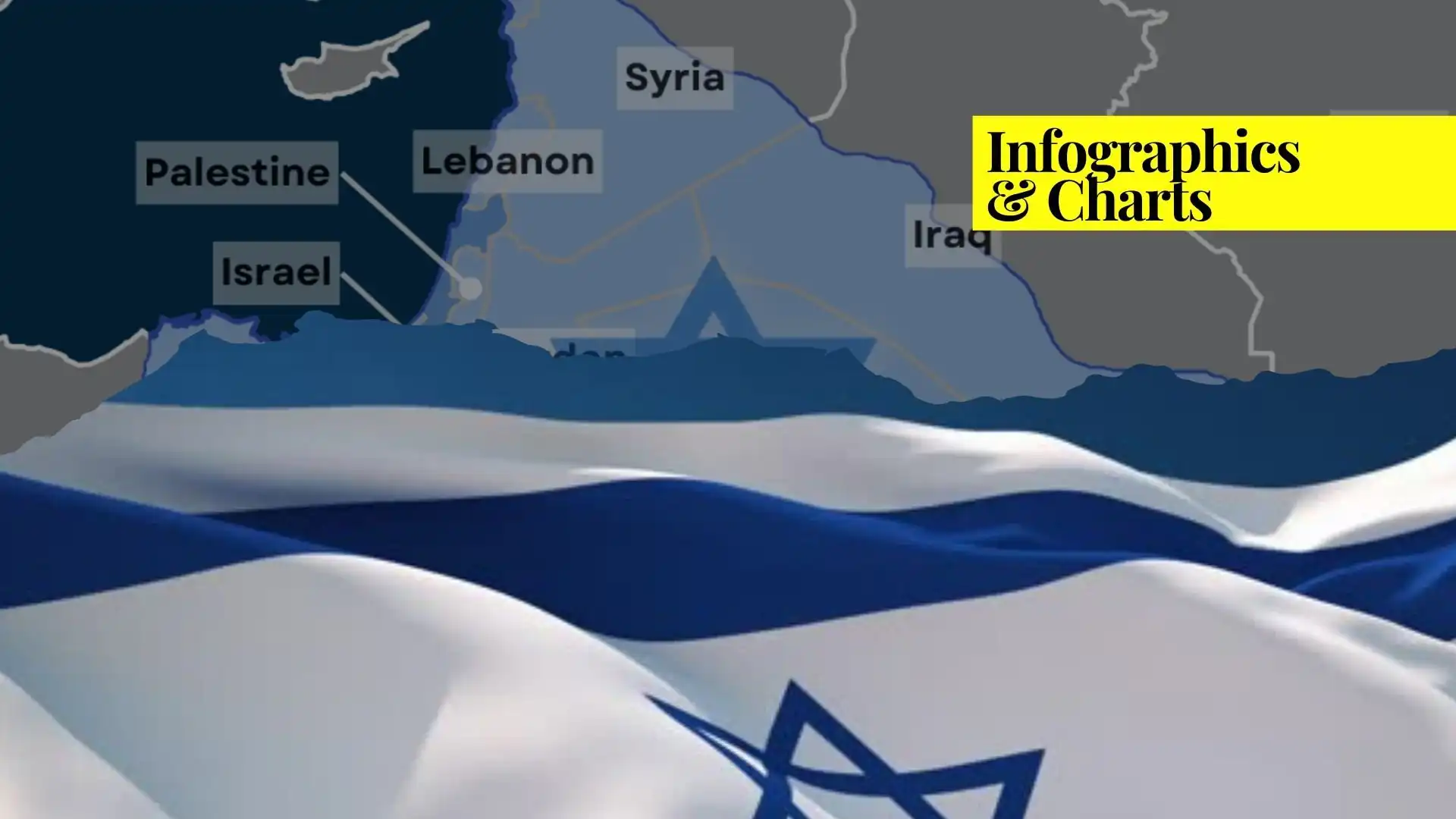
The concept of a map greater Israel refers to various territorial definitions of the Land of Israel, spanning biblical promises, historical kingdoms, and modern political ideologies. While the term carries significant emotional weight and political controversy in the Middle East, its meaning varies widely depending on whether it is viewed through a religious, historical, or modern geopolitical lens.
To truly understand what this concept represents, it is necessary to examine its ancient textual origins, how different groups interpret its boundaries today, and why it remains a flashpoint in contemporary discussions about regional security and sovereignty.
Biblical Origins and Historical Boundaries
The earliest references to the borders of the Land of Israel are found in the Hebrew Bible (Tanakh). These passages form the foundational premise for modern religious interpretations of an expanded Israeli territory.
The Covenantal Borders
In the Book of Genesis (15:18), God makes a covenant with Abraham, promising the land "from the river of Egypt to the great river, the Euphrates." This is often interpreted as an expansive geographical reach covering parts of modern-day Egypt, Israel, Palestine, Jordan, Syria, Lebanon, and Iraq.
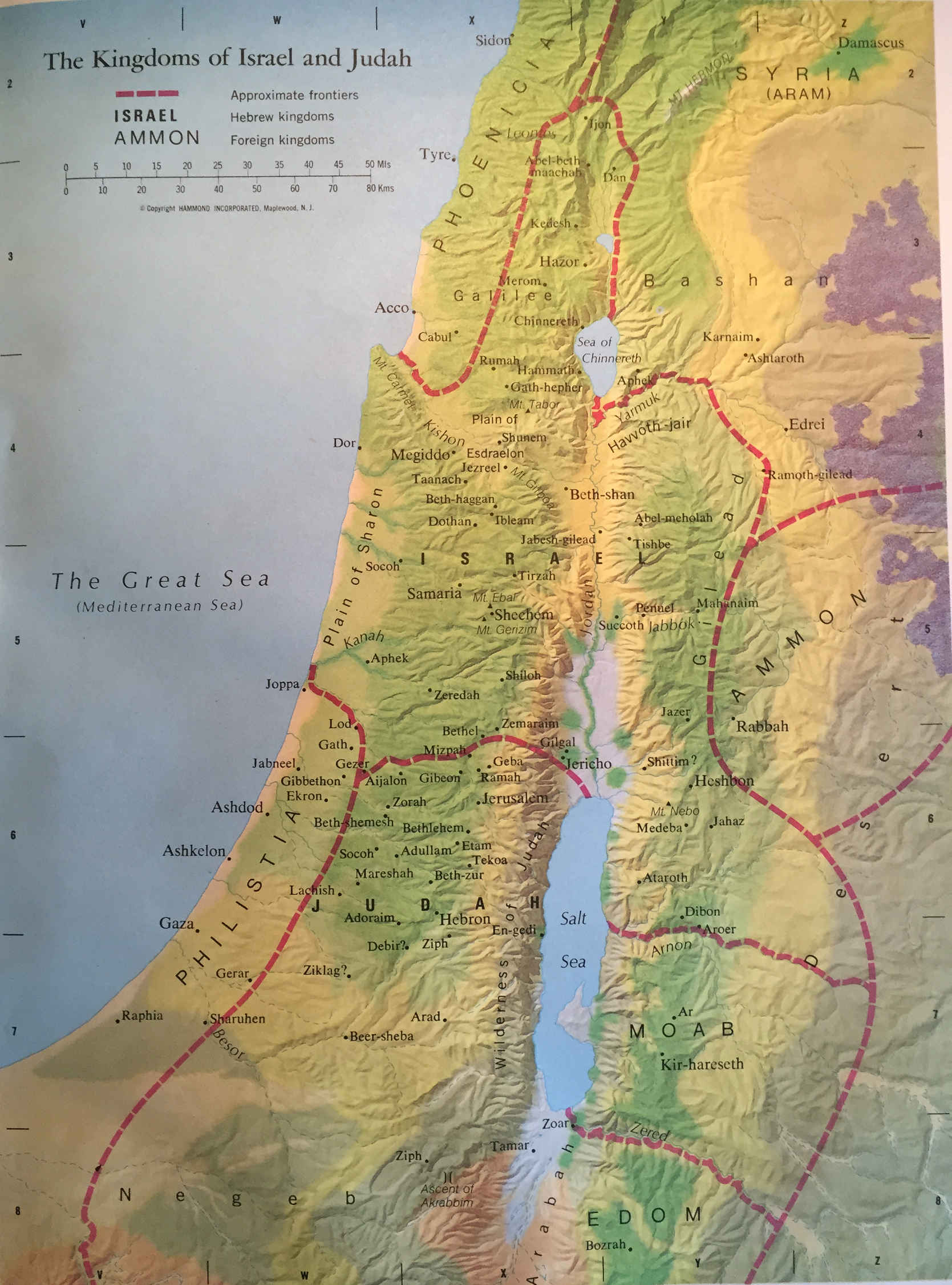
Another major reference appears in the Book of Numbers (34:1–12), which outlines more specific administrative boundaries for the settlement of the Twelve Tribes upon entering Canaan. These borders are considerably more restricted than the sweeping covenantal promise in Genesis, generally encompassing the territory between the Mediterranean Sea and the Jordan River, stretching from the Negev Desert in the south to the Litani River in the north.
The Modern Political Context
In contemporary geopolitics, discussions about a map greater Israel rarely center on ancient texts alone. Instead, the term is frequently invoked in debates surrounding modern state boundaries, Zionism, and regional conflicts.

Revisionist Zionism
During the early 20th century, Revisionist Zionism—led by figures like Ze'ev Jabotinsky—advocated for a Jewish homeland on both sides of the Jordan River. Jabotinsky's followers envisioned a state that included the territory of the British Mandate for Palestine (which encompassed modern Israel and the West Bank) as well as the Emirate of Transjordan (now the Hashemite Kingdom of Jordan).
However, mainstream Zionist leadership under David Ben-Gurion accepted the 1947 United Nations Partition Plan, which established a much smaller footprint for the newly declared State of Israel in 1948.
Post-1967 Realities
The Six-Day War in 1967 dramatically reshaped the physical map of the region. As a result of the conflict, Israel gained control of the West Bank, East Jerusalem, the Gaza Strip, the Sinai Peninsula (later returned to Egypt via the 1979 peace treaty), and the Golan Heights. This sudden expansion revived public debate over territorial retention versus land-for-peace negotiations.
Controversies and Criticisms
Critics of the Greater Israel concept—including Palestinian leaders, neighboring Arab states, and international bodies—often view the idea as an expansionist blueprint aimed at permanent annexation of disputed territories and the denial of Palestinian statehood.
- International Law: The United Nations and the International Court of Justice consider Israeli settlements in the West Bank and East Jerusalem to be a violation of the Fourth Geneva Convention regarding occupied territories.
- Regional Stability: Opponents argue that rhetoric surrounding an expanded territorial footprint undermines peace efforts and fuels regional hostility.
- Demographic Challenges: Many Israeli analysts themselves reject the concept on demographic grounds, noting that absorbing millions of Palestinians into a single state would threaten Israel's status as a Jewish and democratic nation.
Conclusion
The concept of a map greater Israel bridges ancient religious texts and modern geopolitical struggles. While rooted in biblical covenants and historical revisionism, it remains a powerful symbol in Middle Eastern politics. Whether viewed as an unfulfilled divine promise or a dangerous territorial ambition, the debate over these borders continues to shape the future of peace, security, and diplomacy in the region.