Understanding the Occipitalis Muscle: Anatomy & Relief
When people experience tension headaches, they often rub their temples or massage the base of their skull. While the temples get plenty of attention, the real source of discomfort frequently lies further back, anchored directly to the skull. The occipitalis muscle is a small yet remarkably influential structure at the back of the head that plays a major role in scalp movement, facial expression, and tension-type headaches.

Despite its modest size, this muscle is tightly linked to our daily posture, stress levels, and visual habits. Understanding how it functions can help you unlock lasting relief from stubborn neck and head discomfort.
Anatomy and Location of the Occipitalis Muscle
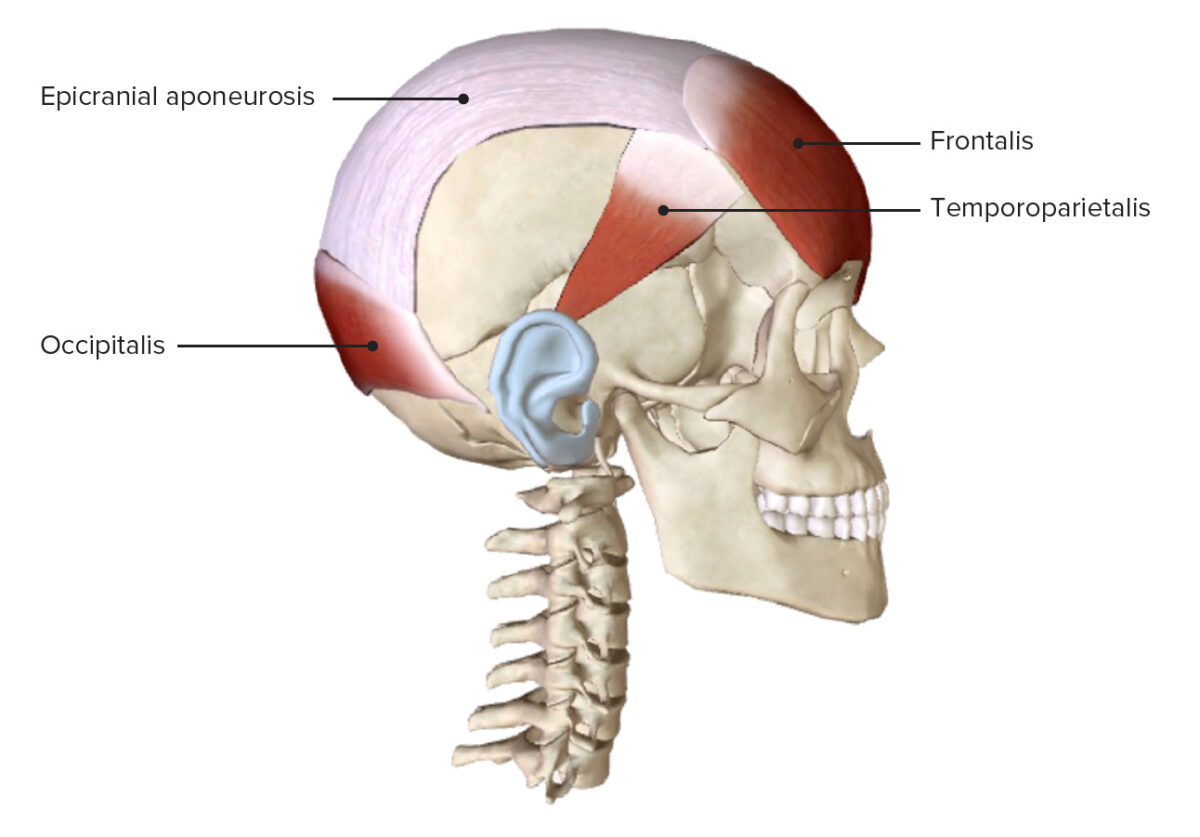
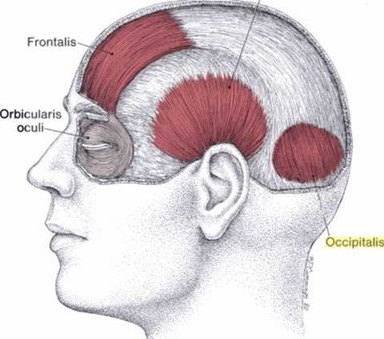
To truly understand the occipitalis muscle, it helps to look at the broader muscle group it belongs to. Anatomists classify the occipitalis as one of two bellies comprising the epicranius or occipitofrontalis muscle. The other belly is the frontalis, which sits on the forehead.
These two distinct muscle bellies are connected across the top of the cranium by a broad, flat sheet of dense fibrous connective tissue known as the epicranial aponeurosis, or galea aponeurotica. This means there is no bone directly beneath the top of your head; instead, the skin, aponeurosis, and muscles form a mobile unit that glides over the skull.
Precise Origins and Insertions
Every skeletal muscle has an origin (the fixed attachment point) and an insertion (the moveable attachment point). For the occipitalis:
- Origin: It originates from the lateral two-thirds of the superior nuchal line of the occipital bone (at the base of the skull) and the mastoid part of the temporal bone.
- Insertion: It inserts forward into the epicranial aponeurosis, meeting the fibers coming down from the frontalis muscle.
Nerve Supply and Blood Flow
The occipitalis muscle is innervated by the posterior auricular nerve, which is a branch of the facial nerve (cranial nerve VII). This is an interesting anatomical detail because while the facial nerve generally controls muscles of facial expression, the occipitalis sits at the back of the head. It receives its rich blood supply primarily from branches of the occipital artery, ensuring it gets plenty of oxygen despite its constant low-level tension.
Primary Functions
Unlike the large muscles of the limbs that lift heavy weights or propel the body forward, scalp muscles serve more nuanced purposes. The primary actions of the occipitalis include:
- Scalp Retraction: By contracting, the occipitalis pulls the scalp backward. This action often works in tandem with the frontalis muscle to raise the eyebrows and wrinkle the forehead.
- Facial Expression Support: It contributes to expressions of surprise, fear, or alertness by tightening the skin of the scalp.
- Proprioception and Postural Feedback: Because the muscle is packed with sensory receptors, it provides the brain with feedback regarding head position, tension, and spatial awareness.
The Connection to Tension Headaches
One of the most common reasons people search for information on the occipitalis muscle is pain. When this muscle becomes chronically tight, it can refer pain across the scalp and toward the temples or eyes. This phenomenon is closely tied to modern lifestyle habits.
Why Does It Get So Tight?

Several everyday factors contribute to excessive tension in the back of the head:
- "Forward Head" Posture: Staring down at smartphones, laptops, or tablets forces the cervical spine to curve forward. To keep your eyes level, your brain unconsciously commands the suboccipital and occipitalis muscles to grip tightly to prevent your head from tipping further forward.
- Chronic Stress: Emotional stress triggers a generalized fight-or-flight response, which frequently manifests as unconscious clenching of the jaw, neck, and scalp.
- Eyestrain: Straining to see a computer screen or needing an updated prescription for glasses causes subtle contractions throughout the entire epicranium.
When the occipitalis muscle goes into spasm or develops myofascial trigger points, it can irritate the greater occipital nerve, which runs right through or near these structures. This nerve irritation results in the classic band-like pressure of a tension headache.
How to Relieve Occipitalis Tension
Because the occipitalis muscle is anchored to bone and covered by a tough sheet of connective tissue, traditional stretching can be slightly tricky. However, targeted self-care techniques can provide profound relief.
1. Gentle Scalp Mobilization
Instead of merely rubbing the skin, you want to move the scalp *over* the skull bone.
- Place the pads of your fingers firmly on the back of your head, right where the skull curves downward.
- Apply gentle pressure and move your scalp in small, circular motions.
- Gradually work your way up toward the crown of your head, feeling for areas where the tissue feels stuck or tender.
2. Suboccipital Release
While this targets the muscles just underneath the skull (the suboccipitals) rather than the occipitalis itself, the two groups work in synergy and share overlapping pain patterns.
- Lie down on your back on a firm surface.
- Place a rolled-up towel or two tennis balls taped together right at the base of your skull.
- Allow the weight of your head to sink into the support, close your eyes, and take slow, deep diaphragmatic breaths for 3 to 5 minutes.
3. Posture Correction
No amount of massage will fix chronic occipitalis tension if your daily posture constantly strains the area. Practice the "chin tuck" exercise: gently draw your chin straight back, as if making a double chin, to align your ears directly over your shoulders. This simple movement unloads the muscles at the base of the skull.
When to See a Professional
While everyday tightness responds well to self-massage, stretching, and ergonomic adjustments, persistent head and neck pain should always be evaluated. Consult a physical therapist, chiropractor, or physician if your headaches are sudden and severe, accompanied by dizziness, vision changes, numbness, or if they do not improve with conservative home care.