Understanding the Sports Surge in Modern Culture
Introduction to the Modern Athletics Boom

Over the last decade, the global landscape of athletics has undergone a massive transformation. We are currently living through a defining sports surge, characterized by skyrocketing viewership, unprecedented financial investments, and a cultural shift in how people consume physical competition. Whether through traditional leagues expanding into new international territories, the meteoric rise of women's sports, or the integration of cutting-edge technology, the industry is expanding at a historic pace.
This boom is not restricted to professional leagues alone. Grassroots participation, fitness wearables, and home-workout subscriptions have also seen exponential growth. To understand this phenomenon, we need to examine the key drivers behind the movement, the technological innovations fueling fan engagement, and what the future holds for athletes and spectators alike.
Key Drivers Fueling the Sports Surge
Several distinct factors have converged to create this era of rapid growth. The intersection of digital media, shifting consumer behavior, and globalization has broken down traditional barriers, allowing sports to reach wider audiences than ever before.
The Streaming Revolution and Global Reach
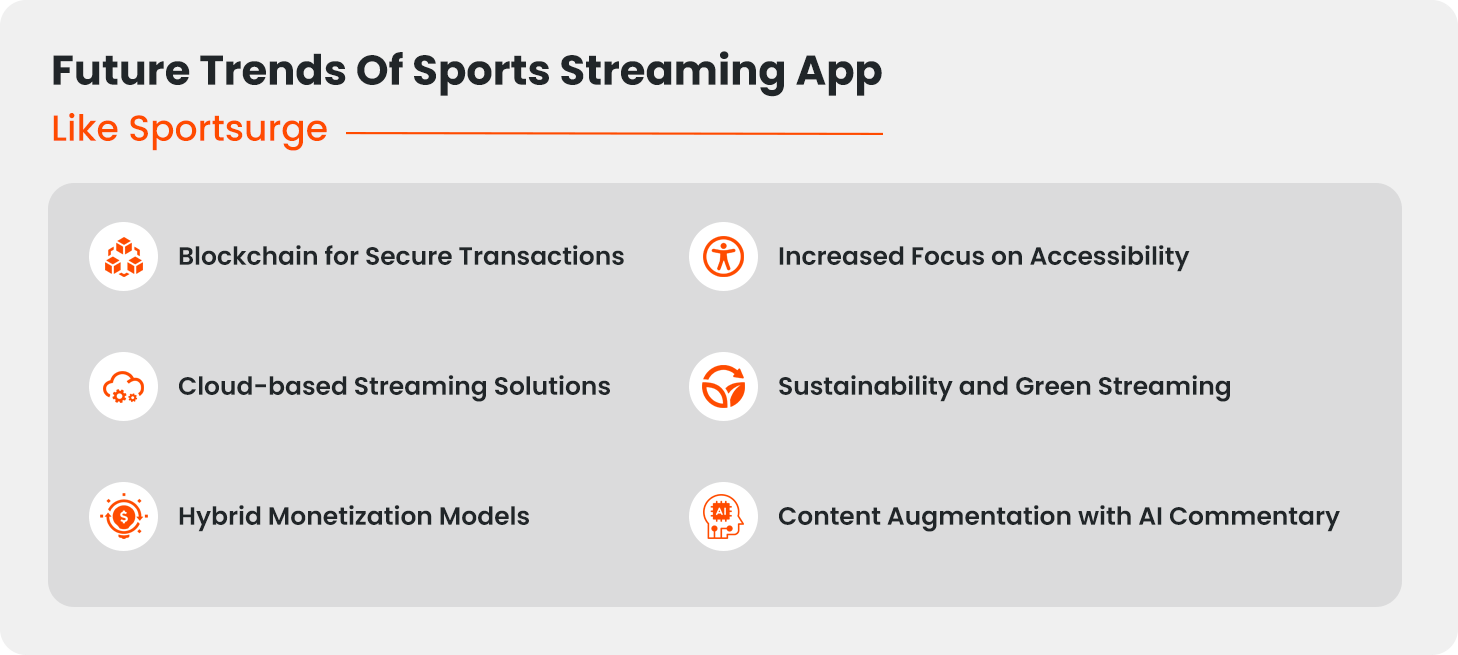
Gone are the days when fans relied solely on cable television packages to catch their favorite teams. The proliferation of streaming services has democratized access to live events. Platforms like Amazon Prime, Apple TV+, and dedicated league apps allow fans to stream games from anywhere in the world. This accessibility has turned regional leagues into global entertainment properties, capturing audiences in markets that were previously difficult to reach.
The Explosion of Women's Sports
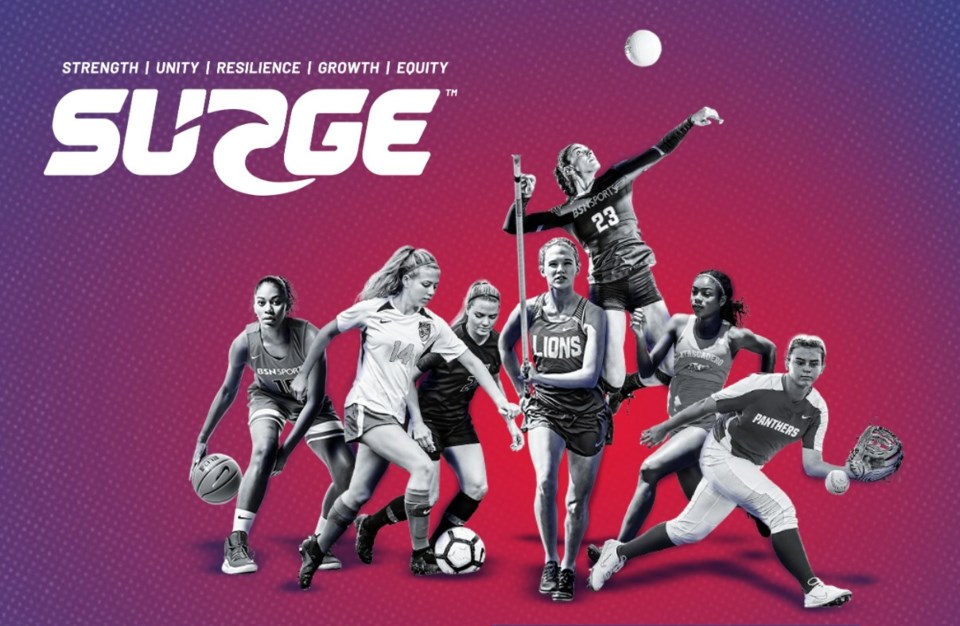
One of the most exciting aspects of the current sports surge is the long-overdue financial and cultural recognition of women's athletics. Leagues like the WNBA, the NWSL, and international women's soccer tournaments are setting new attendance and broadcast records. Brands are realizing that investment in women's sports is not just a social good, but a highly profitable commercial venture with deeply loyal fanbases.
Betting, Fantasy Leagues, and Active Engagement
The legalization and regulation of sports betting in numerous jurisdictions have fundamentally changed how people watch games. Fans are no longer passive viewers; they are actively engaged participants who follow player statistics, tactical adjustments, and minute-by-minute updates. Fantasy sports leagues further amplify this engagement, transforming casual observers into hyper-invested consumers who watch games outside their local team's market.
Technology at the Heart of Athletic Evolution

Innovation has played a pivotal role in accelerating this industry-wide momentum. Technology has enhanced both the athlete's performance on the field and the fan's experience in the stands or at home.
- Advanced Biometrics and Wearables: GPS vests, smart garments, and heart-rate monitors help teams optimize training loads and prevent injuries.
- Immersive Broadcasting: Augmented reality (AR), drone cameras, and real-time data overlays provide viewers with unprecedented insight into gameplay.
- AI-Driven Scouting: Machine learning algorithms process vast amounts of performance data to help front offices identify undervalued talent.
Economic Impact and Investment Trends
The financial realities of this sector reflect a booming market. Venture capital firms, private equity funds, and sovereign wealth funds are pouring billions of dollars into teams, leagues, and sports-tech startups. Valuations for franchises across the NFL, NBA, Premier League, and Formula 1 have reached astronomical heights.
Furthermore, stadium designs are evolving. Modern venues are no longer just concrete bowls for a three-hour game; they are multi-use entertainment districts featuring restaurants, shopping centers, residential spaces, and concert venues. This real estate strategy ensures that venues generate revenue year-round, capitalizing on the constant demand for experiential entertainment.
Challenges on the Horizon
Despite the overwhelmingly positive trajectory, this period of rapid expansion brings distinct challenges that stakeholders must navigate carefully.
Fan Fatigue and Market Saturation
With more games, tournaments, and leagues available than ever, there is a genuine risk of fan fatigue. When every night features high-stakes competition, individual matchups can start to lose their unique luster. Leagues must balance the temptation to expand schedules with the physical well-being of athletes and the attention spans of consumers.
Additionally, the fragmentation of broadcasting rights can frustrate fans. Having to subscribe to multiple different streaming services just to follow a single team or sport creates a financial burden that may alienate casual supporters.
Looking Ahead: The Future of Athletics
The momentum shows no sign of slowing down. As emerging markets continue to develop and digital infrastructure improves, the global audience will only grow larger. Youth participation models are also evolving, focusing on inclusive, multi-sport engagement rather than early specialization.
Ultimately, the ongoing growth represents a fundamental shift in human culture. Physical competition, storytelling, and community building remain deeply appealing in an increasingly digital world. As long as leagues continue to innovate and prioritize the fan experience, the industry will remain a dominant force in global entertainment.