Understanding the V8 OHV Engine: Design & Benefits
Introduction to the V8 OHV Engine
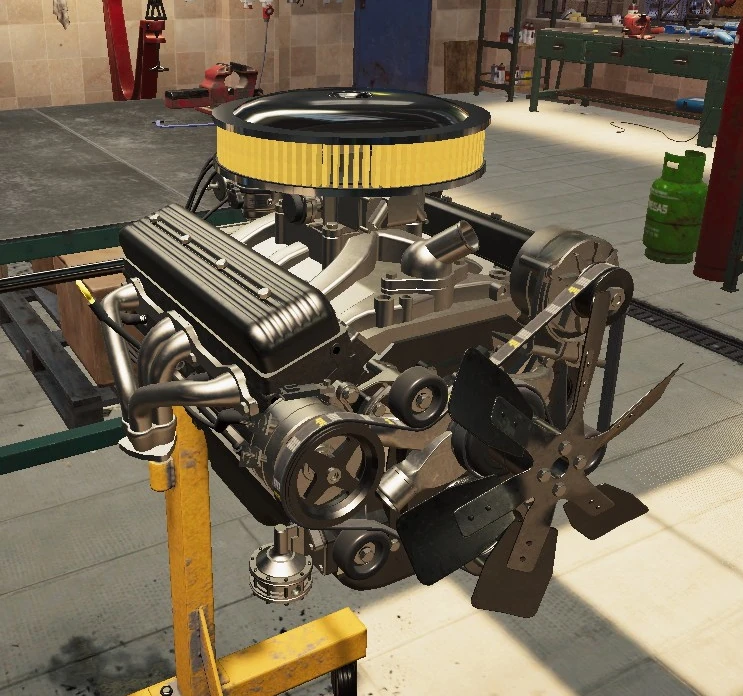
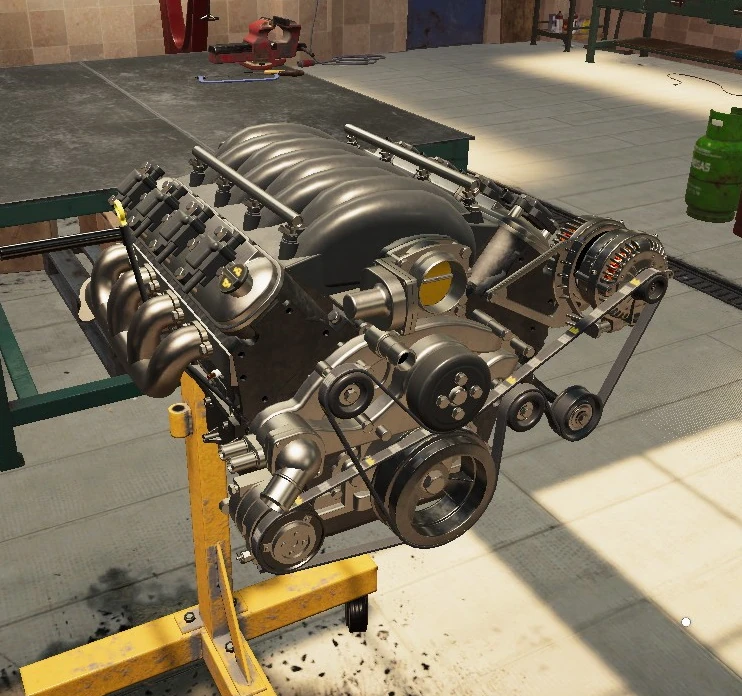
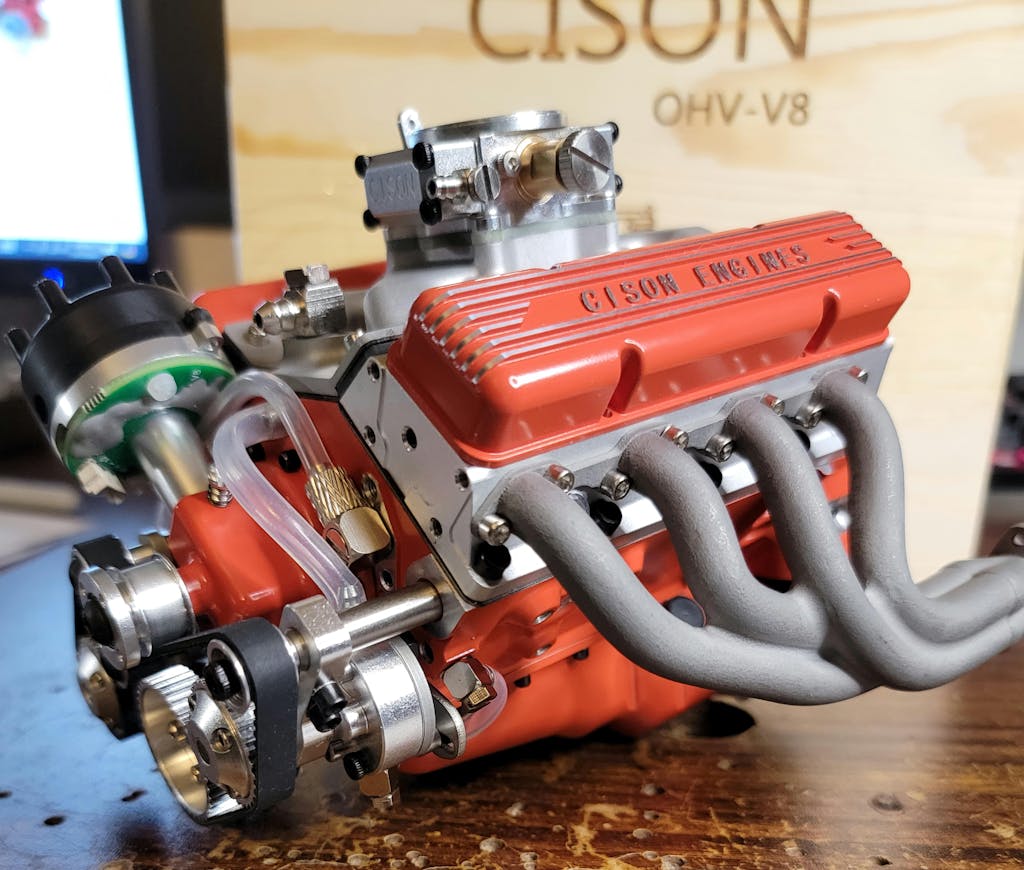
When gearheads talk about classic American muscle and modern high-performance trucks, one engine architecture consistently steals the spotlight: the V8 OHV. Standing for "Overhead Valve," this classic configuration—often referred to simply as a pushrod engine—has powered some of the most iconic vehicles in automotive history. Despite the industry-wide shift toward overhead cam (OHC) designs, the OHV V8 refuses to go extinct. In fact, it continues to win races, power heavy-duty workhorses, and captivate enthusiasts who demand raw, accessible power.
Understanding what makes this engine layout unique requires looking past the marketing jargon and examining the mechanical dance happening beneath the valve covers. From its compact physical footprint to its stump-pulling low-end torque, the pushrod V8 design offers distinct advantages that keep it relevant today.
How a Pushrod V8 Works
To truly appreciate a V8 OHV powerplant, it helps to understand how it operates compared to its overhead cam counterparts. In an OHV setup, all intake and exhaust valves are located in the cylinder head above the combustion chamber, but the camshaft itself sits deep inside the engine block, right in the center of the V.
The Mechanical Train
The valve actuation process relies on a mechanical chain reaction:
- The Camshaft: Driven by the crankshaft, the camshaft features lobes that push upward as it rotates.
- The Lifters and Pushrods: The camshaft lobes push against hydraulic or solid lifters, which in turn drive long metal tubes known as pushrods.
- The Rocker Arms: These pushrods travel upward, pushing one end of a rocker arm, which pivots on a fulcrum to press the valve open against its spring tension.
This direct mechanical connection creates a stout, highly reliable valve train. Because the camshaft is nestled low in the block, the entire top end of the engine remains remarkably narrow and lightweight.
Key Advantages of V8 OHV Architecture
Automakers like General Motors, Chrysler, and Ford (in its classic small-blocks and modern truck engines) relied on the V8 OHV layout for decades for very practical engineering reasons. Even as OHC engines became standard in imports and European sports cars, domestic manufacturers stuck to pushrods because of several undeniable benefits.
Compact Physical Dimensions

Because the camshaft lives inside the block rather than atop the cylinder heads, an OHV V8 is significantly more compact than a DOHC (Double Overhead Cam) V8 of equivalent displacement. A modern Chevrolet Small-Block V8 (like the famous LS or LT engines) is often physically smaller on the outside than a DOHC V6 from a competitor. This compact envelope allows the engine to sit lower in the chassis, improving the vehicle's center of gravity, and lets designers craft lower, more aerodynamic hoodlines.
Massive Low-End Torque
Ask any truck owner or drag racer why they love a pushrod V8, and the answer will likely be torque. The OHV design naturally promotes excellent low-end and midrange power delivery. Because of intake tract dynamics and camshaft positioning, these engines tend to produce peak torque at much lower RPMs than high-revving OHC engines. When you step on the gas at a stoplight or tow a heavy trailer up a steep grade, that instant wave of grunt is hard to beat.
Simplicity and Reliability
Fewer moving parts in the upper valvetrain generally translates to fewer potential points of failure. While modern OHC engines require long, complex timing chains, multiple tensioners, and guides that span the entire height of the engine, a V8 OHV typically uses a single, short timing chain down by the crankshaft. Maintenance is straightforward, and rebuilding or modifying a pushrod engine is often simpler and more cost-effective for mechanics and hobbyists.
Modern Evolution: How the Pushrod Stays Relevant
Critics of the V8 OHV architecture historically pointed out its limitations at high RPMs. Because the pushrods have mass, they can flex or experience "valve float" at extreme engine speeds compared to a lightweight, direct-acting OHC valvetrain. However, modern engineering has largely conquered these limitations.
Today's pushrod engines incorporate advanced materials like hollow-stem valves, stiffer pushrods, and lightweight roller rocker arms. Computer-aided design allows engineers to optimize combustion chambers and port shapes far beyond what was possible in the muscle car era of the 1960s. Furthermore, technologies like Active Fuel Management (cylinder deactivation) and Variable Valve Timing (VRT) have been successfully integrated into OHV platforms, allowing them to meet stringent modern fuel economy and emissions standards while still producing over 400 horsepower out of the box.
Conclusion
The V8 OHV engine is a masterclass in elegant, efficient mechanical design. By keeping the camshaft in the block and utilizing pushrods to actuate the valves, engineers created a powerplant that delivers immense torque, excellent packaging, and legendary reliability. Whether stuffed into the engine bay of a classic hot rod or powering a modern performance coupe, the pushrod V8 proves that time-tested engineering principles, when continually refined, never truly go out of style.