Understanding TS Culture: Values, History, and Identity
Culture is rarely monolithic, and this is especially true for marginalized communities that have fought for visibility across generations. For anyone seeking a deeper perspective, Understanding TS Culture requires looking beyond broad media representations to examine a rich, resilient history, shared values, and vibrant community spaces. Whether you are a newcomer to these topics, an ally, or a member of the community exploring your own roots, understanding transgender culture offers insight into a unique social fabric built on survival, mutual aid, and self-determination.

The Roots and Evolution of Transgender History
While mainstream conversations around transgender identities often feel modern, people who lived outside traditional gender binaries have existed in nearly every culture and era throughout human history. Recognizing this lineage is a fundamental starting point for understanding TS culture.
Historical Precedents Across the Globe
Long before modern medical terminology existed, many societies recognized and integrated third-gender or cross-gender roles:
- Two-Spirit People: A sacred, historical umbrella term used by many Indigenous North American cultures to describe individuals who fulfilled a traditional third-gender ceremonial and social role.
- The Hijra of South Asia: Recognized legally and culturally for centuries, Hijras form a distinct subculture with ancient spiritual roots.
- Muxe of Zapotec Cultures: Found in Oaxaca, Mexico, Muxe individuals are assigned male at birth but dress and live in ways traditionally associated with women, holding distinct economic and social roles.
Modern Political and Social Movements
The contemporary landscape of transgender culture was forged in the fires of civil rights resistance. The mid-to-late 20th century saw the transition from isolated medical case studies to collective political organizing. Key milestones include:
- The Compton's Cafeteria Riot in San Francisco (1966) and the Stonewall Riots in New York City (1969), both of which were heavily spearheaded by trans women of color like Sylvia Rivera and Marsha P. Johnson.
- The establishment of the first community-led healthcare clinics and advocacy organizations in the 1970s and 1980s.
- The creation of the transgender pride flag in 1999 by Monica Helms, which gave the global community a universal visual symbol.
Core Values Within the Community
Like any distinct cultural group, the transgender community shares an ethos shaped by shared challenges and triumphs. Several core values anchor the culture:
Self-Determination and Autonomy
At the heart of trans culture is the belief that individuals are the ultimate authorities on their own bodies, genders, and identities. This contrasts sharply with historical and contemporary medical models that sought to pathologize or gatekeep trans existence. Autonomy means respecting chosen names, pronouns, and the myriad ways people choose to transition—socially, medically, or not at all.
Chosen Family and Mutual Aid
Because coming out as transgender has historically led to rejection by biological families and institutions, the concept of "chosen family" is central to the culture. Chosen families provide emotional shelter, physical safety, and shared resources. Mutual aid networks—ranging from informal funds for medical care and housing to organized community bail funds and food pantries—form the practical backbone of community survival.
Resilience and Joy

While external narratives often focus heavily on struggle and discrimination, internal trans culture places immense value on resilience, creativity, and radical joy. Celebrating milestones—such as a legal name change, a surgical anniversary, or simply stepping out in public with authentic presentation—are treated as communal triumphs.
Cultural Expressions and Artistry
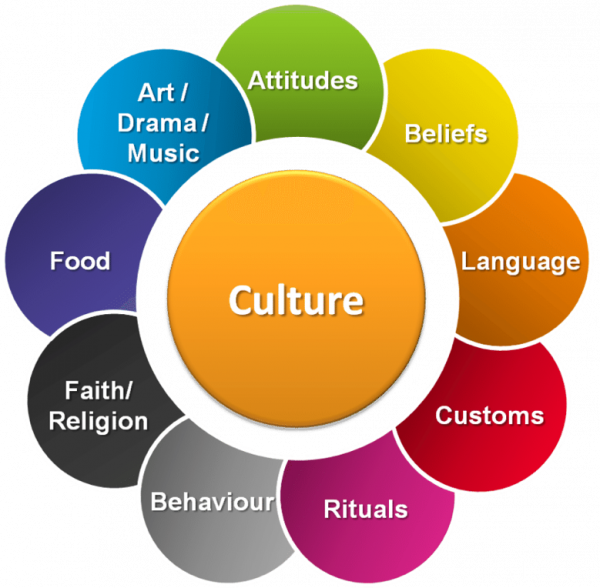
Transgender people have made profound contributions to art, literature, fashion, and language. Culture is actively created and communicated through these outlets.
Language and Terminology
Language within the community is dynamic and constantly evolving to capture nuanced experiences. Terms like "cisgender," "gender non-conforming," "non-binary," and "gender euphoria" allow people to articulate realities that older, rigid vocabularies could not capture. This linguistic evolution reflects a culture that values precision in self-expression.
Ballroom Culture
Originating in Harlem, New York, during the late 20th century primarily through Black and Latina trans women and gay men, Ballroom culture is a foundational pillar of modern trans cultural expression. Categories walk, design, and compete in environments that provide safety, glamour, and social validation when the outside world denies them access.
Media and Literature
From the pioneering memoirs of early transitioners to contemporary poetry, cinema, and independent zines, trans artists document their own histories. This storytelling is a vital act of self-preservation, ensuring that future generations see accurate reflections of their lives rather than flat caricatures produced by outsiders.
Navigating Challenges and Building Solidarity
Culture does not exist in a vacuum; it responds to its environment. Today, transgender people navigate a complex sociopolitical climate marked by heightened legislative scrutiny, media debates, and targeted discrimination in healthcare and education.
Despite these systemic pressures, community infrastructure continues to strengthen. Trans-led organizations, legal defense funds, and grassroots coalitions are mobilizing to protect human rights. For allies looking to support this culture, the most impactful steps include:
- Listening to trans voices and prioritizing leadership from trans people of color.
- Respecting privacy and practicing correct pronoun usage without hesitation.
- Contributing financial and political support to grassroots trans mutual aid and advocacy groups.
Conclusion
Culture is living, breathing, and constantly being rewritten by those who live it. By looking past surface-level misconceptions and engaging with the actual history, values, and artistic expressions of the community, we gain a much richer appreciation for what it means to live authentically. Embracing this cultural landscape not only honors transgender history but fosters a more inclusive and empathetic society for everyone.