Understanding TS Michigan Financial Crimes And Compliance
Financial crimes present a persistent threat to economic stability, corporate integrity, and public trust. In the state of Michigan, combating these illicit activities requires a robust framework of legal statutes, investigative agencies, and corporate safeguards. Understanding the landscape of TS Michigan financial crimes and compliance is essential for business owners, legal professionals, and compliance officers operating within the Great Lakes State.

From money laundering and embezzlement to sophisticated cyber-frauds, regulatory bodies and law enforcement agencies work tirelessly to detect, investigate, and prosecute financial misconduct. For businesses, implementing rigorous compliance programs is not merely a legal checkbox—it is the primary line of defense against severe regulatory penalties and reputational ruin.
The Landscape of Financial Crimes in Michigan
Financial crime encompasses a broad category of non-violent offenses characterized by deceit, concealment, or violations of trust. In Michigan, these offenses range from localized fraud schemes to complex, multi-jurisdictional money laundering operations. State and federal authorities categorize these crimes based on their methodology and impact.
Common types of financial crimes investigated within the state include:
- Embezzlement and Misappropriation: The unauthorized handling of funds by individuals entrusted with their care, such as corporate employees or financial advisors.
- Identity Theft and Cyber Fraud: Using stolen personal or corporate data to open fraudulent accounts, obtain loans, or siphon funds.
- Money Laundering: The process of disguising the origins of illegally obtained money, often through legitimate business channels or complex shell companies.
- Healthcare Fraud: Billing Medicare, Medicaid, or private insurers for medical services that were never rendered or medically unnecessary.
Regulatory Framework and Enforcement Agencies
Addressing financial misconduct involves a coordinated effort among multiple state and federal entities. These organizations establish the rules governing financial transactions and possess the authority to investigate and prosecute violations.
Key State Authorities
At the state level, the Michigan Department of Attorney General houses specialized divisions dedicated to prosecuting public corruption, corporate fraud, and consumer protection violations. Additionally, the Department of Insurance and Financial Services (DIFS) regulates state-chartered banks, credit unions, insurance companies, and consumer finance lenders, ensuring they adhere to state statutes and consumer protection laws.
Federal Partnerships
Because financial crimes frequently cross state and international borders, federal agencies play a critical role in Michigan enforcement. The Federal Bureau of Investigation (FBI), Internal Revenue Service Criminal Investigation (IRS-CI), and the Department of Homeland Security frequently collaborate with Michigan authorities to dismantle large-scale fraud networks.
Core Components of Effective Financial Compliance
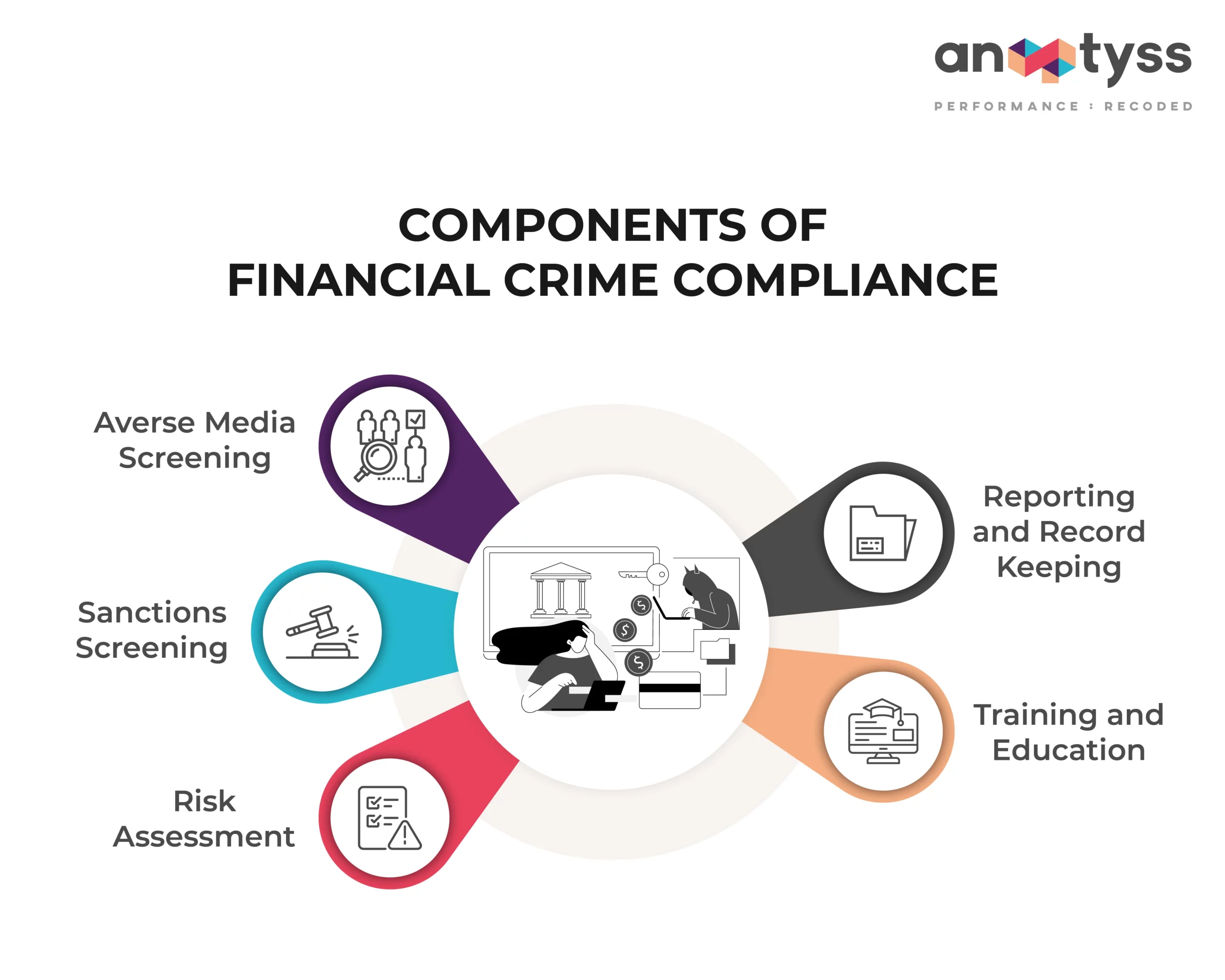
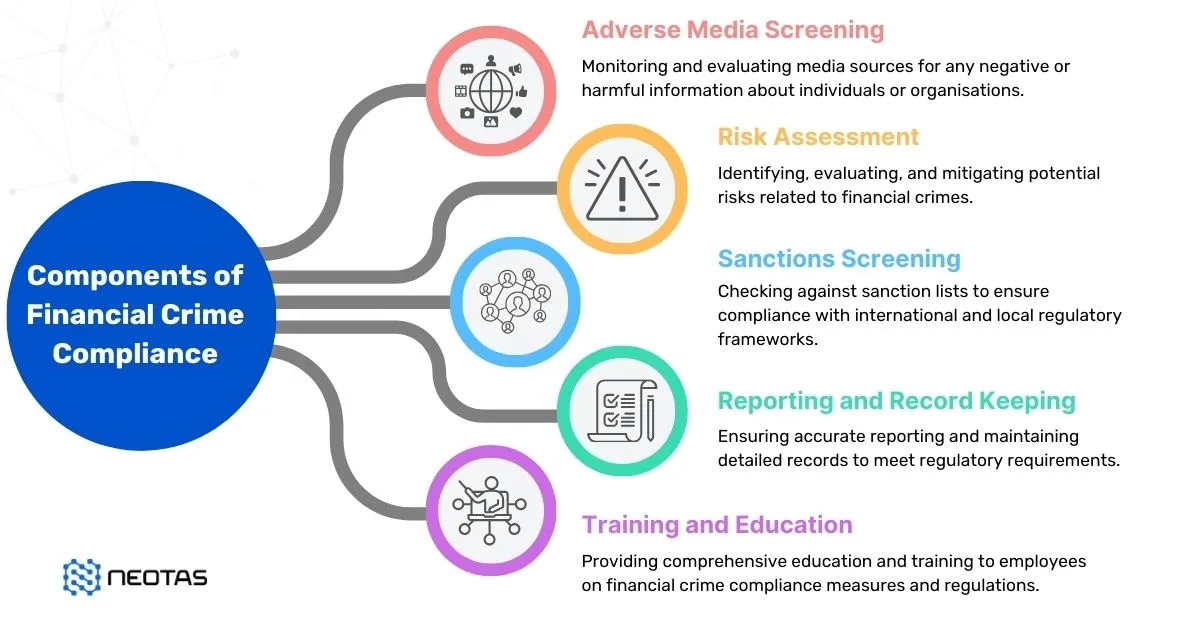
To mitigate the risk of illicit activity, organizations must establish proactive compliance frameworks. A well-designed compliance program aligns with guidance from regulatory bodies and adapts to emerging threats. Key pillars of an effective compliance strategy include:
- Risk Assessment: Regularly evaluating the organization's exposure to specific financial crimes based on its industry, geographic footprint, and customer base.
- Know Your Customer (KYC) and Customer Due Diligence (CDD): Verifying the identity of clients and monitoring transactions to identify unusual or suspicious patterns.
- Internal Controls: Implementing segregation of duties, dual-authorization requirements for large fund transfers, and regular financial audits.
- Employee Training: Educating staff at all levels on how to recognize red flags of fraud and establishing clear protocols for reporting suspicious behavior.
The Role of TS Michigan Financial Crimes And Compliance Protocols
Specialized compliance protocols, often associated with targeted security and investigative frameworks like TS (Tactical and Strategic) measures in Michigan, focus on identifying vulnerabilities before criminals can exploit them. By leveraging data analytics, transaction monitoring software, and intelligence-led investigations, compliance professionals can detect anomalous behavior in real time.
When a potential financial crime is flagged, internal compliance teams must act swiftly. This typically involves conducting an internal investigation, preserving relevant digital and physical evidence, and—when mandated by law—filing a Suspicious Activity Report (SAR) with regulatory authorities. Failing to report known or suspected violations can result in severe civil and criminal liabilities for both the institution and individual executives.
Navigating Corporate Liability and Legal Defenses
Under both Michigan law and federal statutes, corporations can be held criminally liable for the illegal acts of their employees if those acts were committed within the scope of employment and intended to benefit the organization. This underscores the necessity of having a bona fide compliance program in place.
Prosecutors often evaluate the strength and culture of a company's compliance program when deciding whether to bring charges or negotiate settlement terms. Organizations that can demonstrate a proactive, good-faith commitment to compliance are frequently treated more favorably than those that displayed willful blindness to illicit activities.
Conclusion
The fight against financial misconduct requires constant vigilance, adaptability, and a deep understanding of evolving legal standards. Navigating TS Michigan financial crimes and compliance demands a commitment to transparency, robust internal controls, and continuous risk assessment. By prioritizing proactive compliance, businesses in Michigan can protect their assets, maintain regulatory standing, and contribute to a secure and trustworthy economic environment.