Unleash Creativity with Free Genre Maps
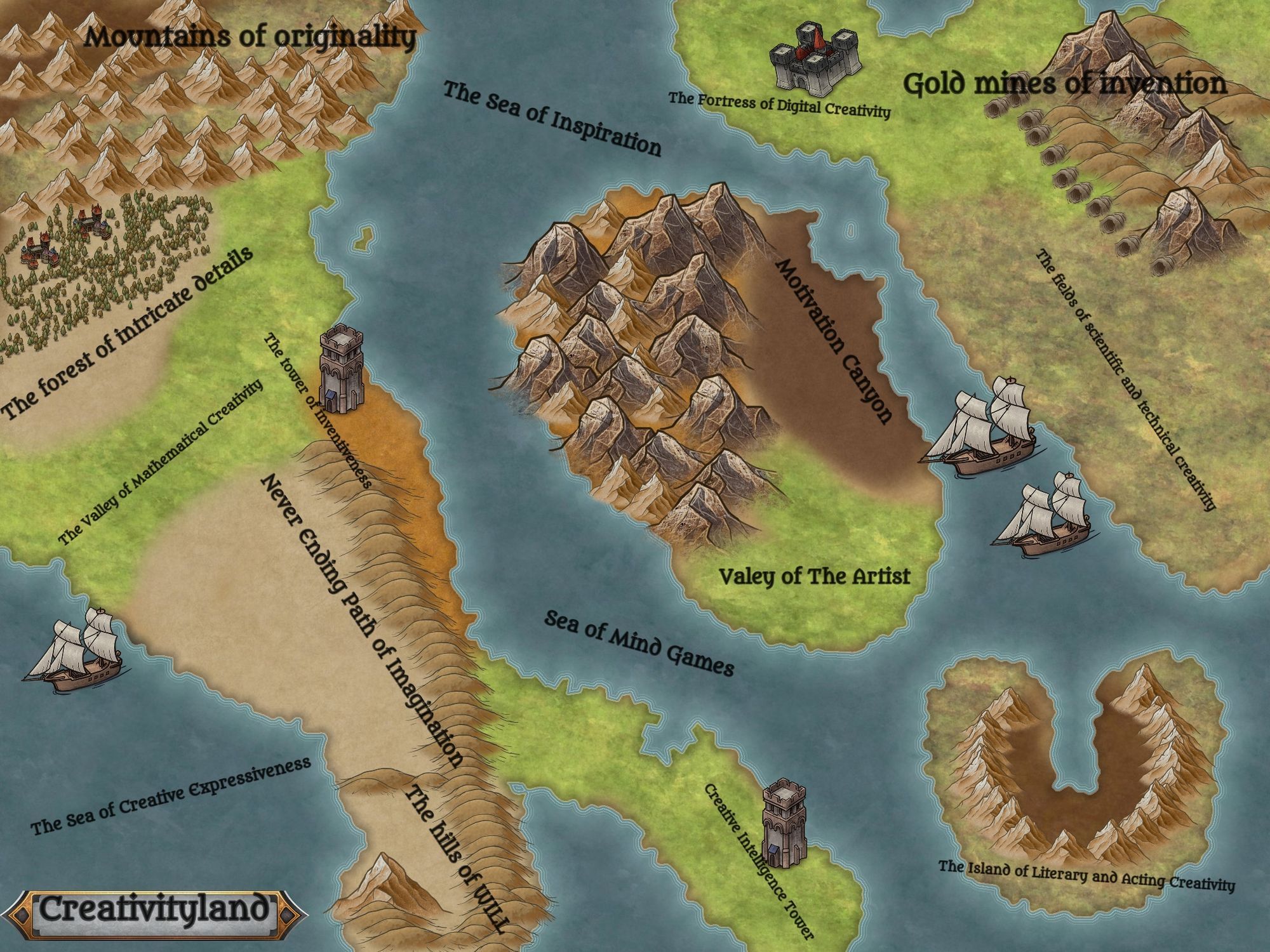
Staring at a blank screen or a pristine notebook can be paralyzing. Writers often fluctuate between two extremes: sticking too rigidly to familiar formulas or wandering aimlessly through an unstructured narrative without direction. If you find yourself caught between rigid tropes and narrative chaos, you can unleash creativity with free genre maps to gain both clarity and artistic freedom. These visual guides do not dictate what you must write; instead, they illuminate the landscape of narrative possibility so you can navigate it intentionally.
What Exactly Is a Genre Map?
A genre map is a structured visual framework that categorizes the conventions, core themes, emotional beats, character archetypes, and aesthetic motifs of specific storytelling categories. Unlike a basic list of genre definitions, a map visualizes relationships—illustrating how subgenres diverge, where conventions overlap, and how emotional stakes shift from one category to another.
For example, a comprehensive speculative fiction map will not merely label "Science Fiction" and "Fantasy." It will plot the gradations between Hard Sci-Fi, Solarpunk, Space Opera, Urban Fantasy, and Grimdark, identifying the specific technological plausibility, pacing requirements, and moral ambiguities associated with each. When mapped visually, genres cease to be restrictive boxes and become creative sandboxes.
The Strategic Benefits of Mapping Your Narrative
Writers, game designers, and screenwriters frequently turn to visual taxonomies for several practical reasons:
- Deconstructing Reader Expectations: Every genre carries an unspoken contract with its audience. Mystery readers demand clues and cathartic resolution; romance readers require an emotionally satisfying ending. A genre map lays these mandatory beats bare, ensuring you deliver what audiences crave while subverting how you deliver it.
- Accelerating the Brainstorming Phase: Rather than spending weeks second-guessing your worldbuilding, a map provides an immediate reference checklist of environmental factors, social structures, and thematic dilemmas typical of your space.
- Targeting Clichés Before You Write Them: When you see the standard tropes of a genre laid out side by side, you immediately notice which patterns have been exhausted. This awareness lets you intentionally invert expectations rather than stumbling into uninspired conventions by accident.
How to Unleash Creativity with Free Genre Maps
Using a genre map effectively requires more than just picking a category and checking off requirements. To truly harness its creative power, treat the map as a springboard for experimentation.
1. Execute Intentional Cross-Pollination
Originality rarely comes from inventing something entirely out of nothing; more often, it emerges from combining two established ideas in an unexpected way. Use free genre maps from completely different traditions and overlay them.
What happens when you lay the structural framework of a 1940s Noir Detective mystery directly over a High Fantasy kingdom? You get a cynical, rain-soaked investigator navigating bureaucratic mage guilds and corrupt royal courts. What happens when you combine Cozy Mystery tropes with Hard Military Sci-Fi? You generate entirely new narrative tension that neither genre could achieve in isolation.
2. Systematically Invert Mandatory Tropes

Once your map identifies the non-negotiable elements of a genre, practice systematic inversion. If a Western genre map specifies an isolated frontier outpost, a solitary stoic hero, and an external threat arriving at high noon, experiment with changing the variables:
- Set the story in an overcrowded, claustrophobic orbital station rather than a dusty, sparse town.
- Replace the solitary hero with a deeply codependent ensemble who refuse to make unilateral decisions.
- Shift the climactic showdown from a duel of physical violence to a battle of bureaucratic or financial maneuvering.
The genre map gives you the baseline anchor, which ensures the core narrative tension remains recognizable even as your execution turns convention on its head.
3. Calibrate Tone and Emotional Resonance
Many genre maps include tonal spectrums—ranging from gritty and cynical to lighthearted and optimistic. If your manuscript feels flat, use these spectrums to diagnose the issue. An urban fantasy story bogged down by relentless misery might need the humor or communal warmth typical of low fantasy or cozy paranormal fiction. By scanning a genre map, you can identify which tonal elements to borrow to restore balance to your pacing.
Where to Find Free Genre Maps
You do not need expensive software or specialized academic subscriptions to access high-quality mapping tools. Valuable, free genre resources exist across several creative spaces:
- Digital Whiteboard Communities: Platforms like Miro, Milanote, and Figma have extensive user-generated template libraries. Search for terms like "fiction plot map," "genre conventions matrix," or "narrative worldbuilding board" to find ready-to-use visual layouts.
- Interactive Trope Databases: Communities like TV Tropes function as vast, living genre encyclopedias. By navigating their subgenre indexes, you can extract the structural components of nearly any narrative form and arrange them into your own visual graph.
- Academic and Literary Frameworks: Open-source educational resources often provide visual breakdowns of classical narrative structures, such as Vladimir Propp's morphology of folklore or Campbell's monomyth, which serve as foundational maps for modern adventure, fantasy, and coming-of-age fiction.
A 15-Minute Exercise to Break Creative Blocks
If you are stuck on a current project or seeking inspiration for your next one, try this practical genre-mapping exercise:
- Download or sketch a basic genre map containing at least four distinct categories (e.g., Cyberpunk, Gothic Horror, Regency Romance, Survival Thriller).
- Select one primary setting from column A, one emotional conflict from column B, and one inciting incident from column C.
- Draft a one-paragraph story premise that satisfies all three selections without treating any of them as a parody.
By forcing your brain to synthesize divergent conventions within a structured format, you bypass analytical hesitation and activate divergent thinking. The structure provides the rail; your imagination provides the engine.
Structure Inspires True Freedom
There is a persistent myth that structure ruins artistic spontaneity. In reality, total formlessness often leads to creative paralysis or the subconscious repetition of unexamined clichés. Free genre maps offer the best of both worlds: structural clarity that demystifies storytelling conventions, combined with the flexibility to bend, break, and blend those rules at will. Treat these maps as navigational charts—study the terrain, choose your path, and then venture boldly into unexplored territory.