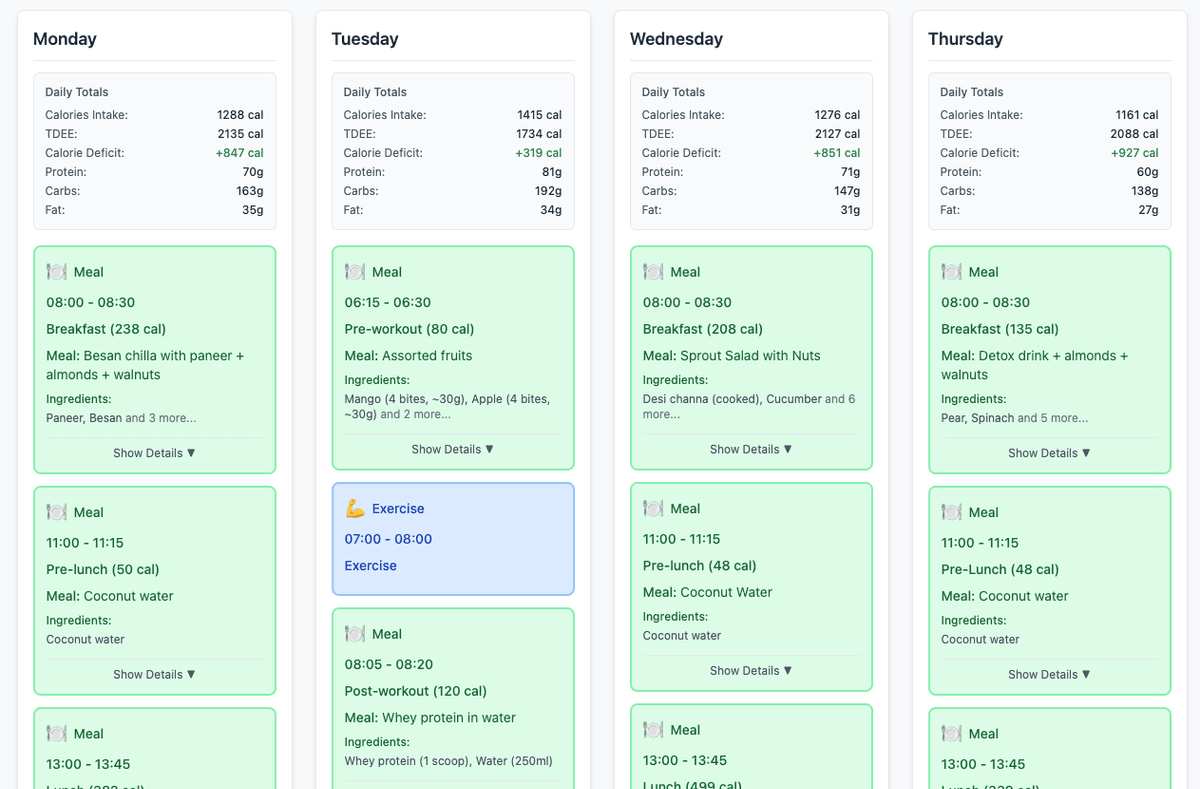
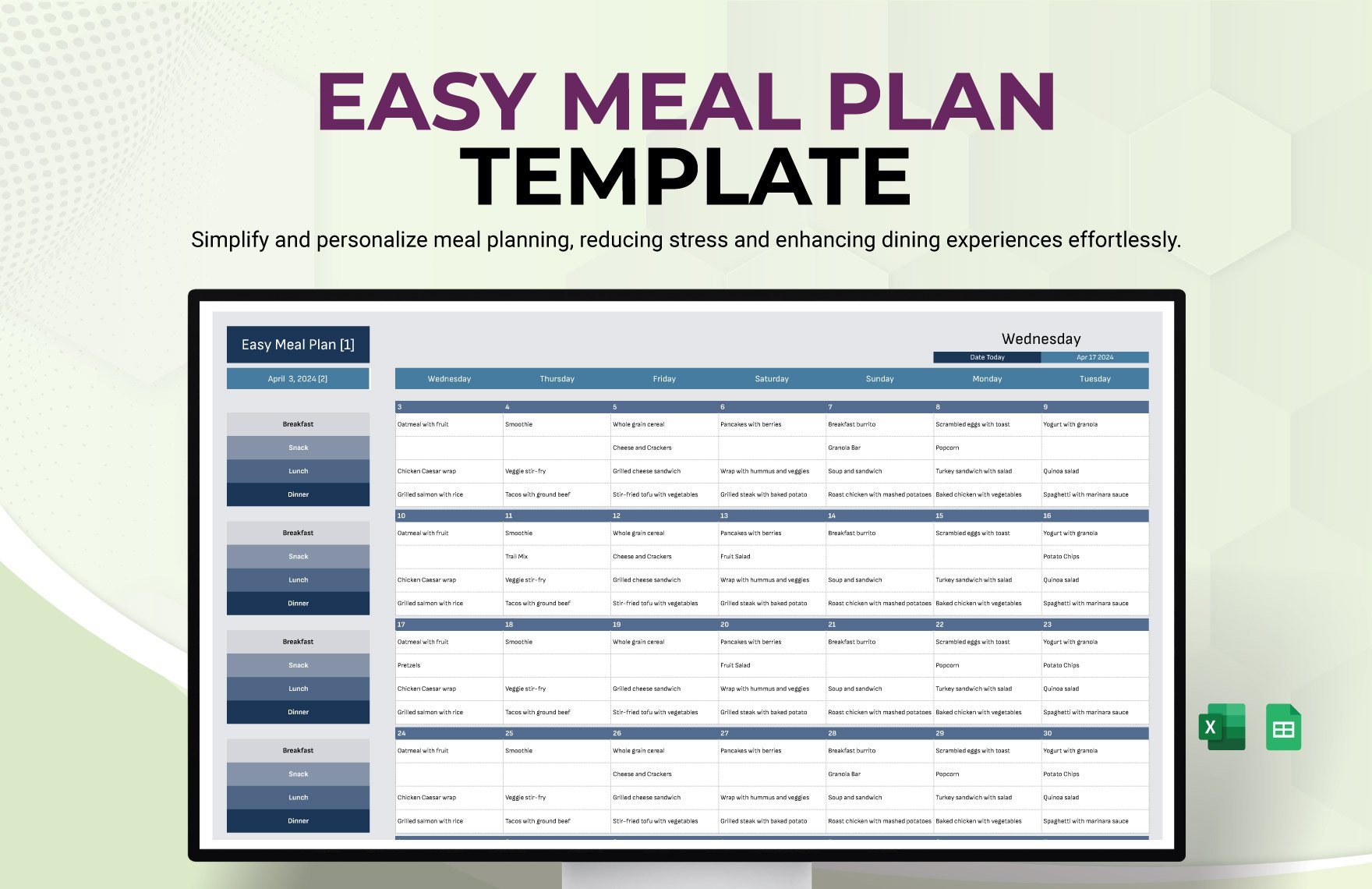
Unlock Daily Focus with a Customizable Meal Plan
The Connection Between Your Plate and Your Productivity

Have you ever hit a severe afternoon slump where even reading a simple email feels like scaling a mountain? Many professionals blame lack of sleep or burnout, but the root cause is often on your plate. What you eat directly dictates neurotransmitter production, blood sugar stability, and overall brain function. When your diet relies on processed foods and erratic eating patterns, your focus pays the price.
The solution isn't adopting a rigid, one-size-fits-all diet that leaves you hungry and frustrated. Instead, you need to unlock daily focus with a customizable meal plan. By designing a nutritional framework that adapts to your workflow, schedule, and personal preferences, you can sustain high cognitive performance from morning until evening.
Why Generic Diets Fail Knowledge Workers
Walk into any bookstore, and you will find dozens of strict meal plans promising quick fixes. However, most generic diets fail busy professionals for two primary reasons: they ignore lifestyle variability, and they treat all calories as equal.
The Rigid Schedule Problem
A rigid meal plan assumes you eat lunch at exactly 12:00 PM every day and have time to cook elaborate meals from scratch. Real life is rarely that predictable. Unexpected meetings, tight project deadlines, and travel can instantly derail a strict schedule, leading you to skip meals or grab low-quality convenience food. A customizable framework accounts for these disruptions, offering modular meals that you can easily shift or scale depending on your day.
Blood Sugar Rollercoasters
Many standard diets focus strictly on calorie restriction rather than macronutrient quality. When you consume a lunch heavy in refined carbohydrates and low in healthy fats and proteins, your blood sugar spikes rapidly. Insulin rushes in to clear the glucose, often overcorrecting and causing your blood sugar to plummet. This crash triggers brain fog, irritability, and an urgent craving for more sugar. A brain-optimized meal plan prioritizes stable blood sugar through balanced macronutrients.
Core Pillars of a Focus-Driven Menu
To build a system that enhances your cognitive stamina, your meals must include specific nutritional components that support brain health. Here are the core pillars to integrate into your rotation:
- Complex Carbohydrates: Foods like quinoa, oats, sweet potatoes, and legumes break down slowly, delivering a steady, reliable stream of glucose to your brain.
- Quality Proteins: Eggs, wild-caught fish, poultry, and plant-based proteins supply the amino acids necessary to synthesize dopamine and norepinephrine—neurotransmitters responsible for alertness and motivation.
- Healthy Fats: Your brain is nearly 60% fat. Omega-3 fatty acids found in salmon, walnuts, chia seeds, and olive oil maintain cell membrane integrity and reduce neuroinflammation.
- Micronutrient Density: Leafy greens, berries, and cruciferous vegetables provide vital antioxidants that protect brain cells from oxidative stress.
Step-by-Step: How to Build Your Customizable Meal Plan
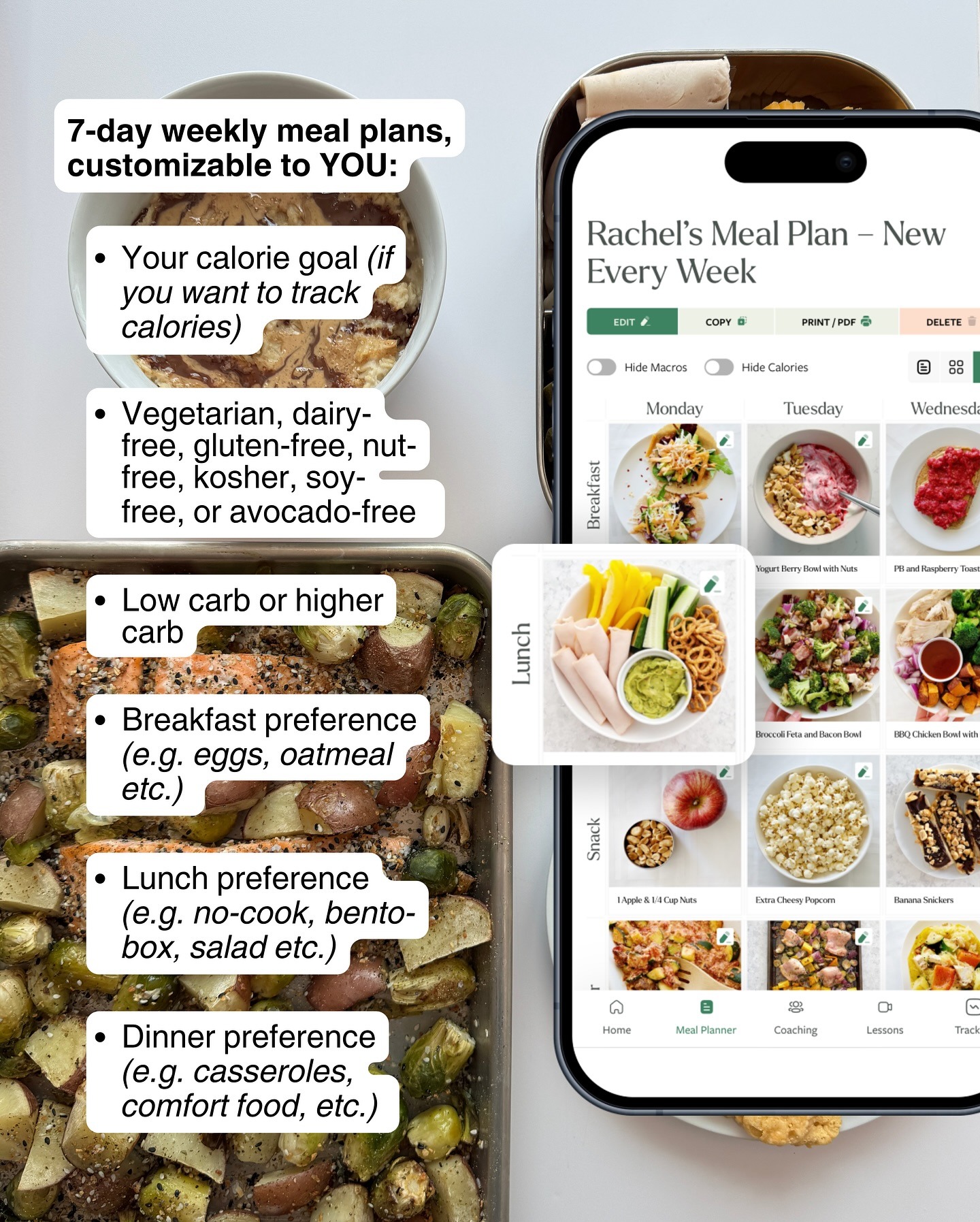
Building a personalized nutritional strategy doesn't require a degree in dietetics. By following a structured, modular approach, you can create a sustainable system in just a few steps.
- Audit Your Energy Patterns: Track your focus levels for three days. Note when you feel sharpest and when you experience brain fog. Identify if your current meals correlate with these slumps.
- Define Your Framework, Not a Menu: Instead of assigning specific meals to specific days, create a template. For instance, decide that your breakfast will always follow a 'protein + healthy fat + fiber' formula (such as eggs, avocado, and spinach).
- Batch-Prep Modular Ingredients: Cook versatile base ingredients over the weekend. Roast a sheet pan of mixed vegetables, grill a batch of chicken breast or tofu, and cook a pot of brown rice or quinoa. Mix and match these components throughout the week.
- Build 'Quick-Pivot' Options: Designate a few ultra-fast fallback meals for high-stress days. This might include canned wild sardines on whole-grain toast with a handful of greens, or a high-protein smoothie with frozen berries, spinach, and plant protein powder.
Tailoring Nutrition to Your Work Schedule
Your meal plan should match the demands of your specific workday. If you have an intense morning presentation, your nutritional strategy should front-load brain-boosting nutrients early in the day.
For Morning-Heavy Schedules
If your most demanding analytical tasks happen before noon, prioritize a breakfast rich in choline (found in eggs) and healthy fats. Avoid heavy carbohydrate loads in the morning, which can induce lethargy just as you need to dive into complex problem-solving.
For Afternoon Deep-Work Sessions
If your peak productivity occurs in the afternoon, keep your lunch light and protein-focused. Heavy, carb-dense lunches divert blood flow to the digestive tract, starving the brain of oxygen and focus when you need it most. A salad with grilled salmon, pumpkin seeds, and a light olive oil dressing provides sustained energy without the heavy crash.
Overcoming Common Pitfalls
Even with the best intentions, maintaining a custom nutritional routine can hit roadblocks. Here is how to stay on track:
- Decision Fatigue: If choosing what to eat drains your mental energy, limit your options by cycling through just three breakfast templates and four lunch templates.
- Lack of Variety: Prevent boredom by keeping a diverse array of herbs, spices, and vinegars on hand. The same base chicken and rice can taste completely different with a shift from Mexican salsa to a ginger-soy glaze.
- All-or-Nothing Thinking: If you deviate from your plan, do not abandon it entirely. Treat nutrition as a continuous data-gathering experiment rather than a test you can fail.
Final Thoughts
Improving your daily productivity is not solely about time management apps, noise-canceling headphones, or productivity hacks. True, sustained focus starts at the cellular level. By taking the time to design a flexible nutritional strategy that fits your unique lifestyle, you eliminate the daily friction of decision-making and fuel your mind for peak performance. Start small, track how different foods impact your clarity, and refine your system over time for lasting cognitive gains.