Unlock North Carolina Payroll Calculator for Business
Running a business in the Tar Heel State comes with distinct operational advantages, from a growing workforce to a competitive economic climate. However, keeping compensation accurate and compliant remains a constant challenge. When you unlock the power of a North Carolina payroll calculator for your business, you eliminate manual calculation errors, ensure adherence to state-specific tax codes, and deliver reliable paychecks to your team every single pay cycle.

Whether you manage a startup in Raleigh, a manufacturing facility in Greensboro, or a hospitality team on the Outer Banks, understanding your withholding obligations is critical. A dedicated payroll tool helps employers balance gross pay, voluntary deductions, federal obligations, and state requirements without losing hours to administrative frustration.
Understanding North Carolina Payroll Taxes and Deductions
Unlike states that feature complex, tiered income brackets or multiple municipal tax districts, North Carolina maintains a relatively straightforward tax framework. However, simplicity does not eliminate the potential for costly compliance errors.
1. North Carolina State Income Tax (Flat Rate)
North Carolina utilizes a flat individual income tax rate rather than progressive brackets. As part of ongoing legislative tax cuts, this rate has progressively dropped from over 5% down toward a targeted 3.99% by 2026. For tax year 2024, the rate is 4.5%, dropping to 4.25% in 2025.
Every employee must complete Form NC-4 (or Form NC-4 EZ) to determine their withholding status. This form functions similarly to federal Form W-4, helping payroll administrators calculate the appropriate state withholding from each pay period.
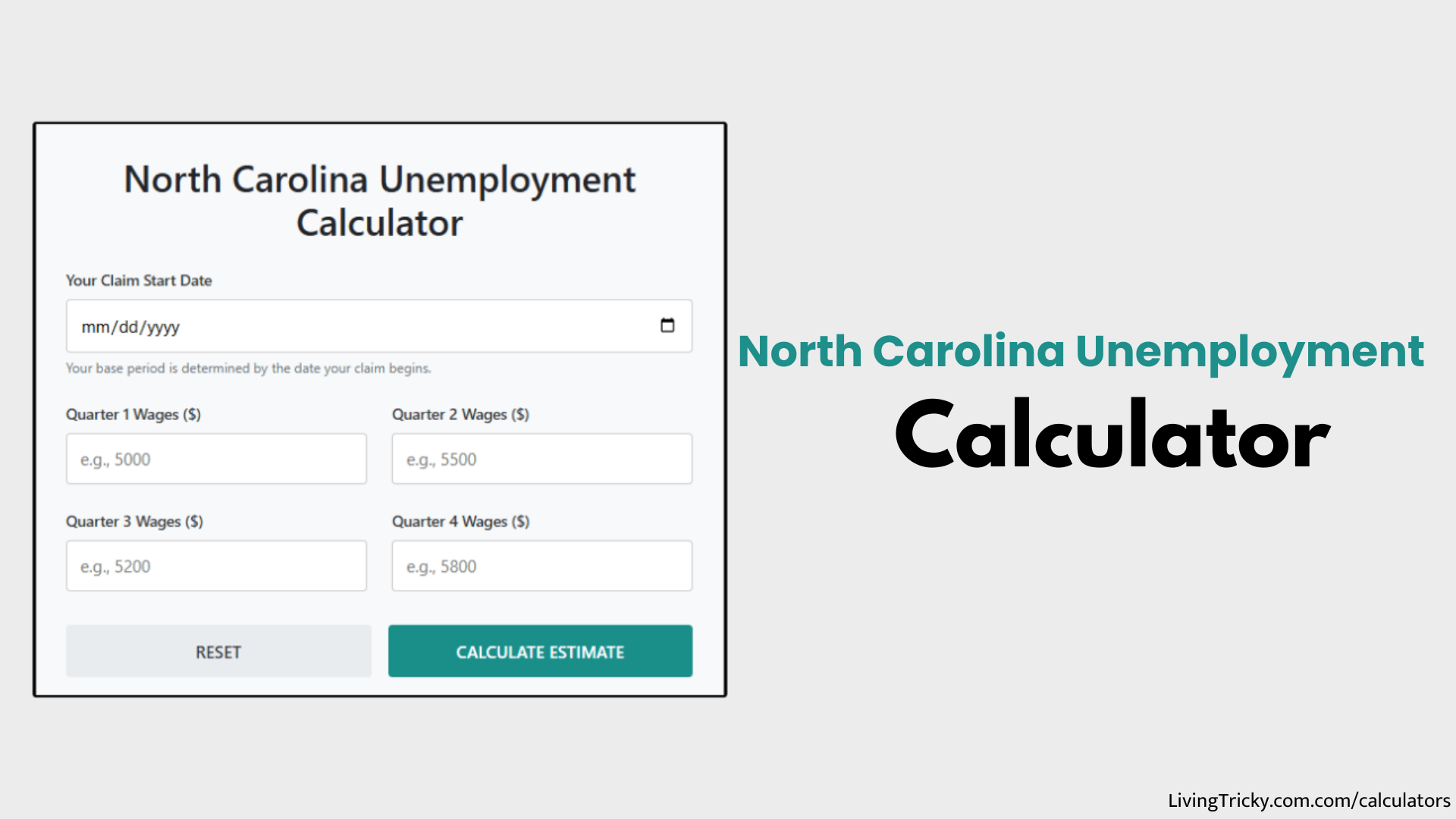
2. State Unemployment Insurance (SUTA)
Administered by the North Carolina Division of Employment Security (DES), State Unemployment Insurance is an employer-paid tax designed to fund benefits for displaced workers. Key elements include:
- Taxable Wage Base: North Carolina adjusts its taxable wage base annually (e.g., $31,400 for 2024 and $32,800 for 2025). Employers pay SUTA taxes only up to this wage limit per employee each calendar year.
- Tax Rates: New employers typically receive a standard rate (usually 1.0%), while established businesses receive an experience-rated percentage that fluctuates based on historical unemployment claims.
3. Zero Local Income Taxes
One major operational relief for North Carolina businesses is the absence of local, county, or city income taxes. Regardless of where your office is located or where your employees reside within the state, you only need to calculate and remit state-level income tax.
4. Mandatory Federal Payroll Taxes
In addition to state requirements, North Carolina employers must account for federal payroll obligations:
- FICA Taxes: Social Security tax (6.2% split evenly between employer and employee on wages up to the federal limit) and Medicare tax (1.45% each, with no wage cap, plus an additional 0.9% for high-income earners).
- Federal Income Tax (FIT): Based on the employee's Form W-4 and federal wage-bracket or percentage tables.
- FUTA (Federal Unemployment): An employer-paid tax of 6.0% on the first $7,000 of employee wages, typically discounted to 0.6% if state unemployment taxes are paid on time.
Unlock the Power of a North Carolina Payroll Calculator for Your Business
Manually calculating paychecks using IRS withholding tables and state tax formulas introduces substantial human error. Integrating a reliable North Carolina payroll calculator transforms your workflow in several distinct ways:

- Instant Accuracy on Pre-Tax and Post-Tax Deductions: A calculator automatically accounts for health savings accounts (HSAs), traditional 401(k) contributions, and transit benefits before applying tax rates, ensuring taxable gross pay is correct.
- Automatic Alignment with State Rate Changes: Because North Carolina's flat tax rate continues to adjust downward each tax year, an updated calculator prevents under-withholding or over-withholding without requiring you to memorize new tax legislation.
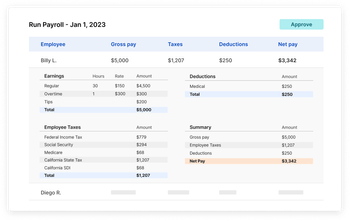
- Transparent Paystub Generation: Modern tools generate clean breakdowns of gross earnings, withholdings, and net pay, reducing employee confusion and payroll disputes.
- Labor Cost Forecasting: By inputting proposed salaries or hourly rate changes, business owners can see their true employer burden (including SUTA, FICA, and benefits) before making critical hiring decisions.
Step-by-Step: How to Calculate Employee Net Pay in North Carolina
To see how a payroll calculator automates the process, consider the five steps necessary to arrive at an employee's take-home pay.
- Determine Gross Pay: Calculate total earnings for the period. For hourly staff, multiply hours worked by the base rate, adding overtime (1.5 times the regular rate for hours worked over 40 in a workweek). For salaried staff, divide the annual salary by the number of pay periods (e.g., 26 for bi-weekly).
- Deduct Pre-Tax Benefits: Subtract qualifying pre-tax deductions such as employee contributions to a 401(k), medical insurance premiums, or flexible spending accounts (FSAs). This produces the adjusted taxable wage base.
- Calculate Federal Withholdings: Using the employee's W-4 inputs, calculate federal income tax withholding. Deduct 6.2% for Social Security and 1.45% for Medicare.
- Calculate NC State Withholding: Using the employee's Form NC-4 allowances, apply the state's flat tax rate to the taxable portion of wages.
- Subtract Post-Tax Deductions: Remove items like Roth 401(k) contributions, wage garnishments, or union dues to arrive at the final net pay.
Key North Carolina Wage and Employment Rules
Accurate math is only one half of payroll management; legal compliance under the North Carolina Wage and Hour Act is the other. Every employer should keep these mandates front and center:
Pay Frequency and Paydays
North Carolina employers may choose their pay schedule: daily, weekly, bi-weekly, semi-monthly, or monthly. However, once established, employers must notify staff in writing at the time of hiring regarding pay days, pay rates, and policies regarding vacation or paid time off.
Final Paycheck Regulations
When an employee resigns or is terminated, North Carolina law dictates that their final wages must be paid through regular channels no later than the next scheduled payday. Deductions from a final paycheck (such as for unreturned company equipment) are strictly restricted and generally require clear written authorization from the employee.
Workers' Compensation Insurance
Any business operating in North Carolina that regularly employs three or more workers—including corporate officers and members of an LLC—is legally required to carry workers' compensation coverage. Failure to maintain insurance can lead to severe civil fines and potential criminal liability.
Best Practices for Managing Payroll in North Carolina
To keep your payroll running smoothly without administrative bottlenecks, implement these proven operational habits:
- Conduct Regular W-4 and NC-4 Audits: Encourage employees to review their withholding allowances annually or whenever major life events (such as marriage or childbirth) occur.
- Preserve Records Diligently: North Carolina requires employers to keep comprehensive wage and hour records for at least three years. This includes timecards, gross-to-net calculations, tax filings, and proof of wage payments.
- Separate Payroll Accounts: Maintain a dedicated bank account strictly for payroll disbursements and tax remittances. This ensures payroll liabilities are never mixed with everyday operational cash flow.
- Automate Through Software: While manual calculators work well for spot-checking paystubs and forecasting, full payroll automation software reduces liability by remitting quarterly tax filings (Form NC-5 and federal Form 941) directly to the state and federal government.
Take Control of Your Business Payroll
Managing payroll in North Carolina offers relative simplicity thanks to a uniform flat tax rate and zero local wage taxes. Nevertheless, keeping track of phased rate reductions, unemployment caps, and labor standards demands consistent diligence. By leveraging a reliable North Carolina payroll calculator, you protect your business from penalties, free up valuable executive time, and establish a dependable compensation system your employees can trust.