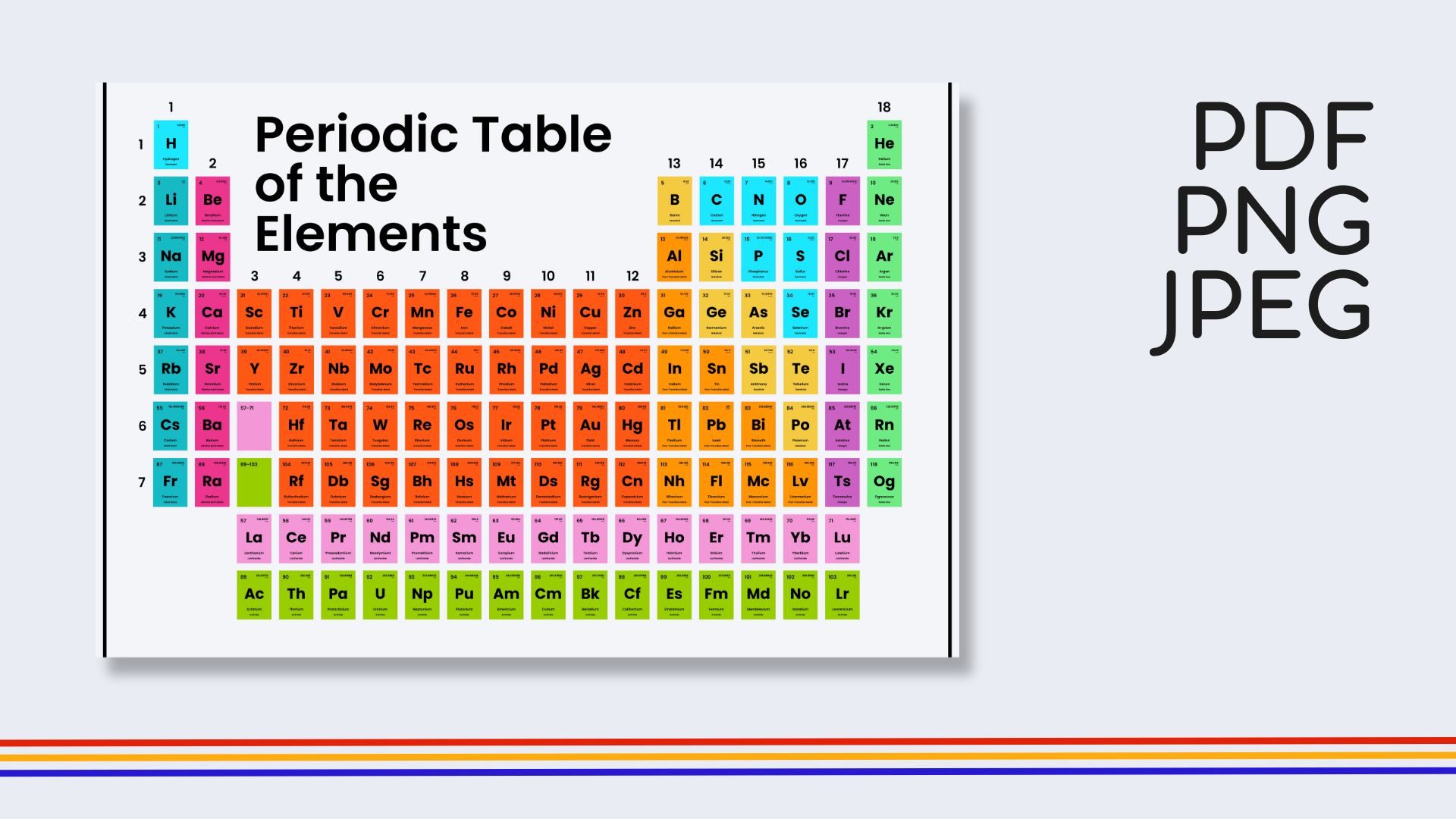
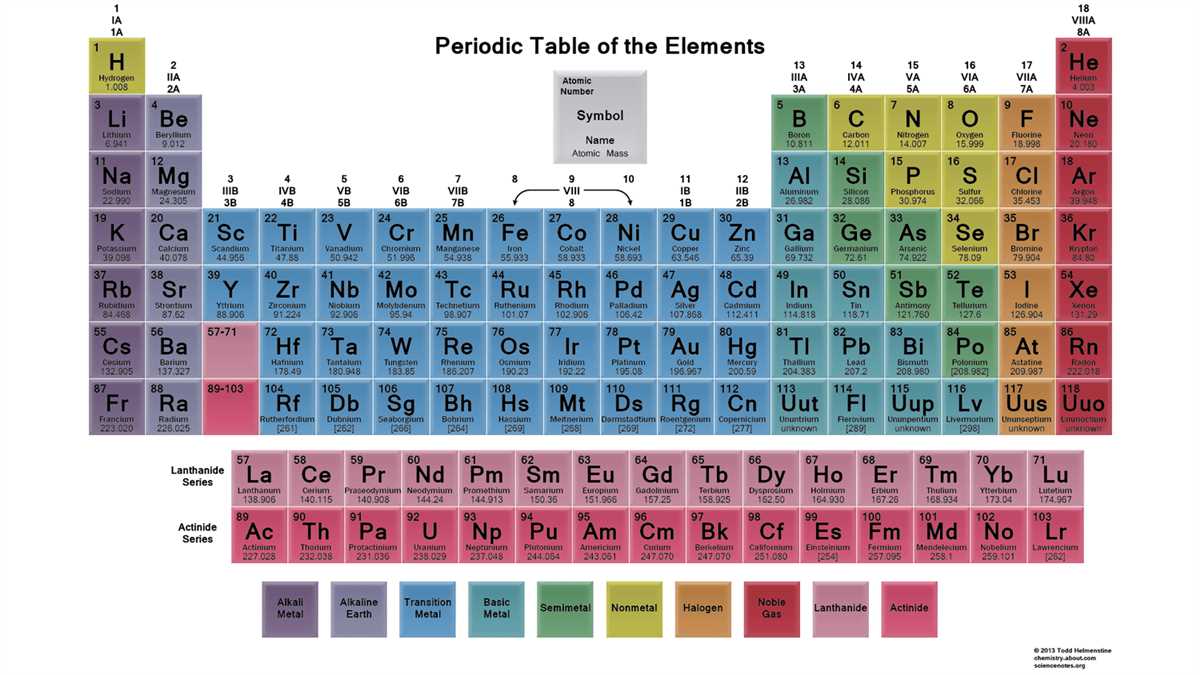
Unlock the Secret to a Vibrant Colorful Periodic Table
For decades, the standard periodic table of elements has appeared as a monotonous grid of black-and-white or muted gray squares hanging on classroom walls. While scientifically accurate, this traditional design often makes chemistry feel intimidating and lifeless to students and enthusiasts alike. If you want to transform your relationship with science, you need to unlock the secret to a vibrant colorful periodic table.

Adding color to the periodic table is not just about making it visually appealing; it is a powerful cognitive tool. Color-coding taps into how the human brain naturally processes patterns, categorizes information, and recalls data. Whether you are a high school student tackling stoichiometry, a homeschooling parent, or a lifelong science enthusiast, a well-designed color palette can turn a complex wall of data into an intuitive roadmap of the universe.
Why Color Transforms Chemical Understanding
The periodic table is organized by atomic number, electron configurations, and recurring chemical properties. When these categories are translated into distinct chromatic hues, complex relationships become instantly visible.
The Science of Visual Categorization
Human memory relies heavily on visual cues. When you look at a monochrome table, every element blends into a uniform sea of symbols. By applying a vibrant color scheme:
- Alkali metals immediately stand out from noble gases.
- Transition metals form a distinct block in the center.
- Metalloids create a clear visual staircase separating metals from nonmetals.
This immediate visual segregation reduces cognitive load. Instead of reading and memorizing coordinates, your brain recognizes shapes, shades, and regions, accelerating retention and comprehension.
How Elements Are Grouped and Colored
To create or choose an effective colorful periodic table, you need to understand the standard classification systems used by chemists. Most educational charts rely on distinct families or blocks.
1. The Family Approach
In this system, elements belonging to the same chemical family share a specific color or shade:
- Alkali Metals (Lithium, Sodium, Potassium, etc.): Often marked in warm, energetic tones like bright red or orange to signify their high reactivity.
- Noble Gases (Helium, Neon, Argon, etc.): Frequently assigned cool, stable colors like deep blue or purple, reflecting their inert nature.
- Halogens (Fluorine, Chlorine, Bromine, etc.): Usually given a sharp, contrasting color such as yellow or green to highlight their reactive nonmetallic properties.
2. The Block Approach (s, p, d, f)
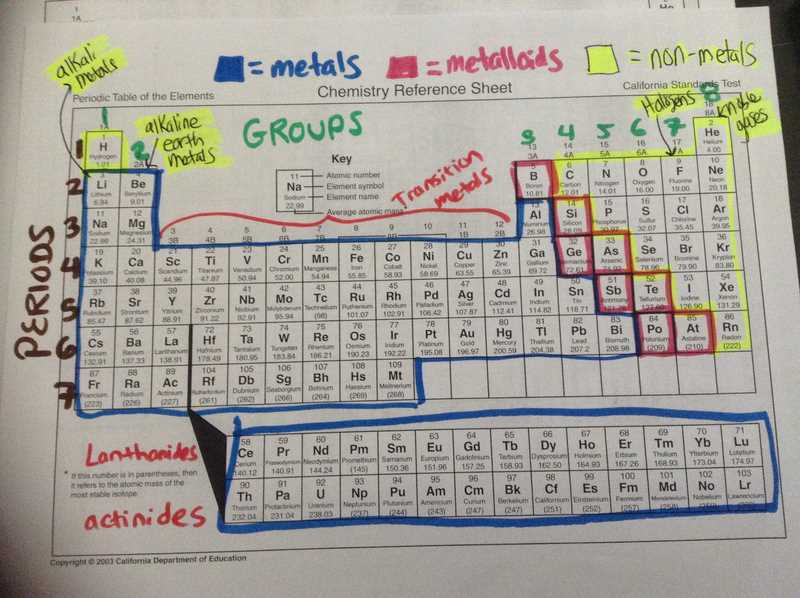
Advanced students often prefer a table colored by electron orbitals. The s-block, p-block, d-block (transition metals), and f-block (lanthanides and actinides) each receive a primary color. This directly links the visual layout of the table to quantum mechanics and electron configurations.
Choosing the Right Palette for Your Needs
Not all colorful periodic tables are created equal. Depending on your goals—studying, teaching, or interior decoration—your selection criteria will vary.
For Students and Classrooms
Look for tables that use high-contrast, distinct colors for major families while keeping text legible. Avoid pastel-heavy tables where adjacent groups blur together under fluorescent lighting. Clear boundaries and bold text are essential for quick reference during exams or homework sessions.
For Home Decor and Design
If you are hanging a periodic table as art in an office or study, you can explore modern minimalist palettes, neon cyberpunk themes, or vintage botanical-style chromatic designs. These options offer aesthetic appeal while remaining scientifically functional upon closer inspection.
Tips to Memorize the Elements Faster Using Color
A colorful chart is only as good as how you use it. Implement these practical strategies to maximize your learning efficiency:
- Anchor regions to concepts: Associate the red of the alkali metals with their violent reaction to water. Associate the inert noble gases with a calming blue.
- Test your recall: Cover up sections of a color-coded chart and try to name the family based solely on the designated color zone.
- Create your own: Print a blank black-and-white periodic table and color-code the families by hand. The physical act of coloring reinforces mental mapping.
Conclusion
Chemistry is the study of matter, but learning it doesn't have to be a dull matter. When you unlock the secret to a vibrant colorful periodic table, you replace rote memorization with visual intuition. Whether you choose a neon-infused modern chart or a classic educational layout, adding color to the elements bridges the gap between scientific rigor and creative engagement.