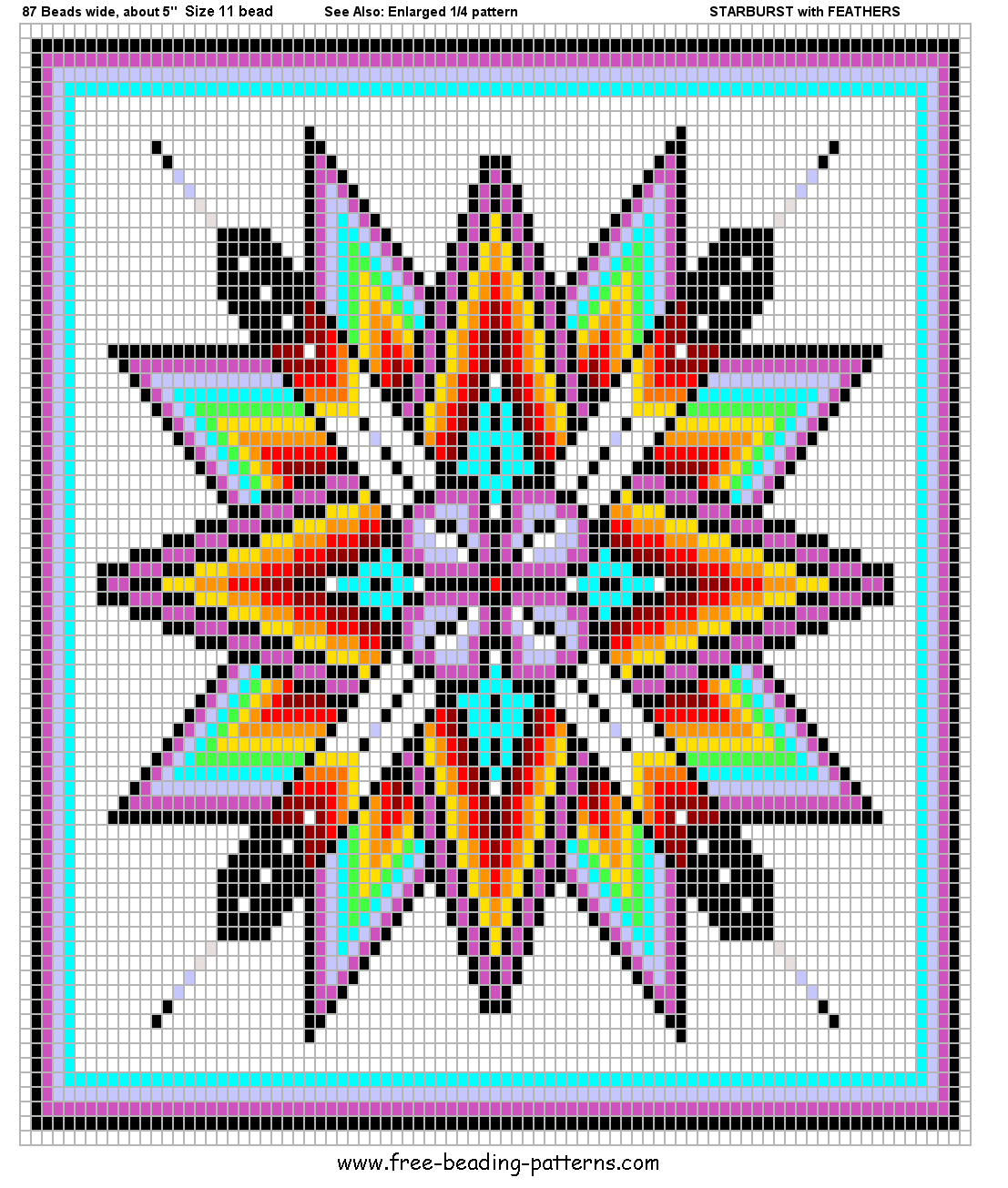
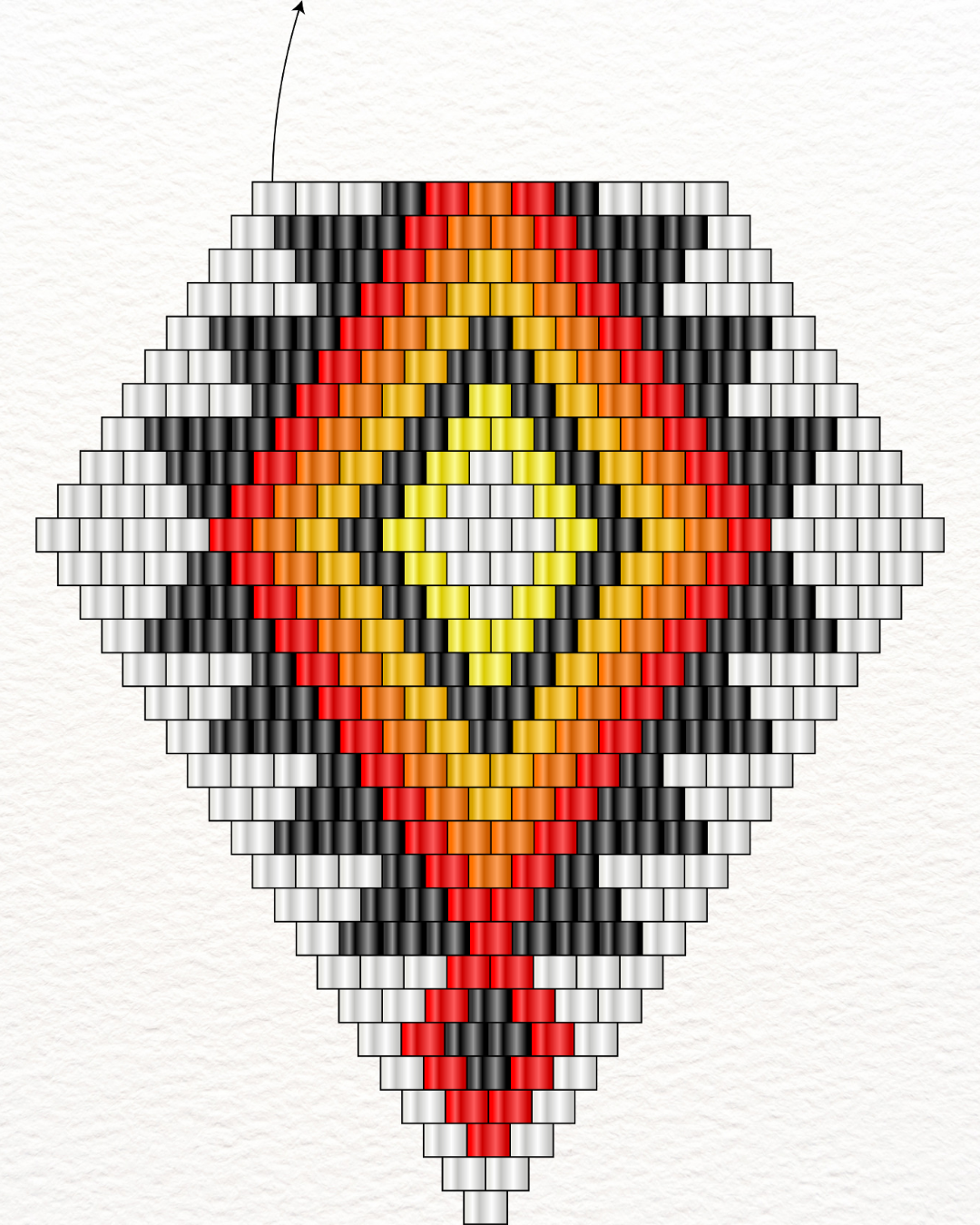
Unlock Tribal Inspiration with Free Native American Beadwork Patterns and Designs
For centuries, Indigenous artisans across North America have woven identity, history, and sacred geometry into intricate glass and seed bead creations. Whether you are an experienced beader looking to broaden your repertoire or an enthusiastic beginner eager to pick up a needle, learning to unlock tribal inspiration with free Native American beadwork patterns and designs offers a profound gateway into one of the continent's most enduring textile traditions. When approached with cultural humility and an eye for genuine craftsmanship, working with these patterns connects modern makers to timeless artisan techniques.

The Living Art and Heritage of Indigenous Beadwork
Before European traders introduced Venetian and Bohemian glass beads in the 16th and 17th centuries, Indigenous nations created ornamentation using natural materials. Artisans carved dentalium shells, smoothed bone discs, shaped freshwater pearls, and dyed porcupine quills to embellish buckskin garments, moccasins, and ceremonial pouches. When tiny glass seed beads arrived, Native craftspeople rapidly adapted their existing quillwork methods to this vibrant new medium.
Beadwork quickly became a dynamic visual language. Across different geographic regions, distinct aesthetic styles emerged:
- Plains Nations (Lakota, Blackfoot, Cheyenne): Renowned for bold geometric patterns, stepped triangles, and cross motifs, predominantly executed using the lane stitch on buffalo and deer hide.
- Woodlands and Great Lakes (Ojibwe/Anishinaabe, Haudenosaunee, Cree): Celebrated for flowing curvilinear florals, leaves, and vine motifs that mirror the botanical abundance of northern forests.
- Plateau and Columbia River Tribes (Nez Perce, Yakama): Famous for contour beading, pictorial storytelling, and fully beaded cylindrical bags.
- Southwestern Nations (Navajo, Zuni, Hopi): Known for integrating beadwork with turquoise, silver, and peyote stitch weaving for ceremonial regalia and everyday adornment.
Unlock Tribal Inspiration with Free Native American Beadwork Patterns and Designs
Finding high-quality, printable patterns allows crafters to practice authentic bead alignments without guessing row counts or color placements. When searching for free templates online, look for clear grid representations tailored to specific bead types, such as cylinder beads (Miyuki Delicas) or rounded rocailles (Czech seed beads).
Reputable sources for free digital patterns include digital museum archives, non-profit Indigenous craft preservation societies, and educational cultural centers. Many Indigenous artists also share free beginner-friendly grid charts on community forums and crafting blogs to promote proper technique and appreciation for their culture.
Popular Types of Free Patterns Available
- Loom Beading Strips: Straight-grid charts ideal for hatbands, belts, watch straps, and woven bracelets.
- Peyote Stitch Grids: Offset-grid charts that allow for rounded, dense tubular work around feathers, lanyards, or amulet pouches.
- Rosette and Medallion Templates: Circular, concentric layout sheets used to construct neck medallions and hair rosettes.
- Woodland Floral Outlines: Freehand transfer outlines designed to be traced directly onto interfacing or hide for surface appliqué.
Four Essential Beadwork Techniques to Master
Before diving into complex motifs, every crafter should become comfortable with the primary stitching styles developed and refined by Native beaders.
1. Loom Weaving
Loom beading is one of the fastest ways to construct uniform, flat tapestries of beads. Warp threads are strung lengthwise across a wooden or metal frame, and weft threads carry the beads horizontally beneath the warp before the needle passes back through the bead holes on top of the warp threads. Loom patterns use standard square grids, making them straightforward for beginners to read and design.
2. The Lane (Lazy) Stitch
Video: Native America Bead Loom Pattern

Commonly associated with Plains regalia, lane stitch involves stringing a small group of beads—typically five to eight—and anchoring them into hide or heavy fabric before creating an adjacent, parallel row. This technique creates a distinct ribbed, raised texture that covers large surface areas efficiently, making it ideal for moccasin vamps, cuffs, and pipe bags.
3. Appliqué (Two-Needle Overlay)
The two-needle appliqué method is the gold standard for intricate curvilinear and floral patterns. One needle strings a continuous line of beads along the drawn design, while a second needle and thread come up from beneath the backing to tack down the stringing thread every two to three beads. This technique ensures flat, secure, and flowing lines that do not buckle.
4. Peyote Stitch (Gourd Stitch)
Peyote stitch is an off-loom bead weaving technique where beads are placed in an alternating, brick-like stagger. It requires no warp threads, only a single needle and thread. Historically used by Southern Plains tribes to bead ceremonial gourd rattles and fan handles, peyote stitch produces a dense, supple fabric suitable for three-dimensional wraps.
Essential Tools and Materials
Quality beadwork relies on the right pairing of beads, needles, and thread. Using inferior supplies can result in broken threads, uneven tension, and warped designs.
- Glass Seed Beads: For loom and peyote stitch, uniform beads are crucial. Japanese cylinder beads (such as Miyuki Delica 11/0) provide laser-straight edges. For traditional appliqué and lane stitch, Czech size 10/0 or 11/0 seed beads provide the soft, rounded finish characteristic of vintage regalia.
- Beading Needles: Standard sewing needles have wide eyes that shatter glass seed beads. Use English beading needles in sizes 10, 11, or 12, which maintain a uniform diameter from point to eye.
- Specialized Threads: Avoid regular cotton sewing thread, which shreds quickly. Choose bonded nylon threads like Nymo (size B or D), conditioned with beeswax, or pre-waxed braided threads such as FireLine (6 lb test) for maximum durability.
- Foundation Materials: For surface embroidery, back your work with genuine brain-tanned buckskin, commercial suede, or heavy craft felt stabilized with tear-away embroidery interfacing.
Cultural Appreciation vs. Cultural Appropriation
When working with Native-inspired patterns, artisans must understand the ethical boundaries between appreciation and appropriation. Indigenous beadwork is not merely decorative; patterns often carry family lineage, tribal sovereignty, spiritual significance, and historical resilience.
Keep these guidelines in mind as you create:
- Respect the Indian Arts and Crafts Act of 1990: In the United States, it is illegal to market or sell craft items as "Native American made" or "Indian made" unless the maker is an enrolled member of a federally or state-recognized tribe. If you are non-Native, clearly label your work as "Native-inspired."
- Avoid Sacred Motifs: Do not copy ceremonial regalia, medicine wheels, or clan emblems unless you have been invited to do so by knowledge keepers of that specific nation.
- Support Living Native Artists: If you love Indigenous designs, balance your hobby by purchasing finished beadwork, pattern books, and kits directly from enrolled Indigenous artisans.
- Educate Yourself on Tribal Origins: Rather than viewing "Native American beadwork" as a single uniform style, research the specific tribal nation—such as Haida, Cree, or Navajo—whose aesthetic informs the pattern you are stitching.
Bringing Your First Pattern to Life
Begin with a simple 10-row loom bracelet or a small three-color geometric medallion. Working on a modest project allows you to master thread tension—the single most critical skill in beadwork. If your tension is too tight, the finished piece will curl; if it is too loose, threads will peek through between the beads.
Beadwork is inherently meditative. By taking your time, selecting quality materials, and honoring the deep cultural histories embedded within each grid and stitch, you transform simple glass beads into enduring works of wearable art.