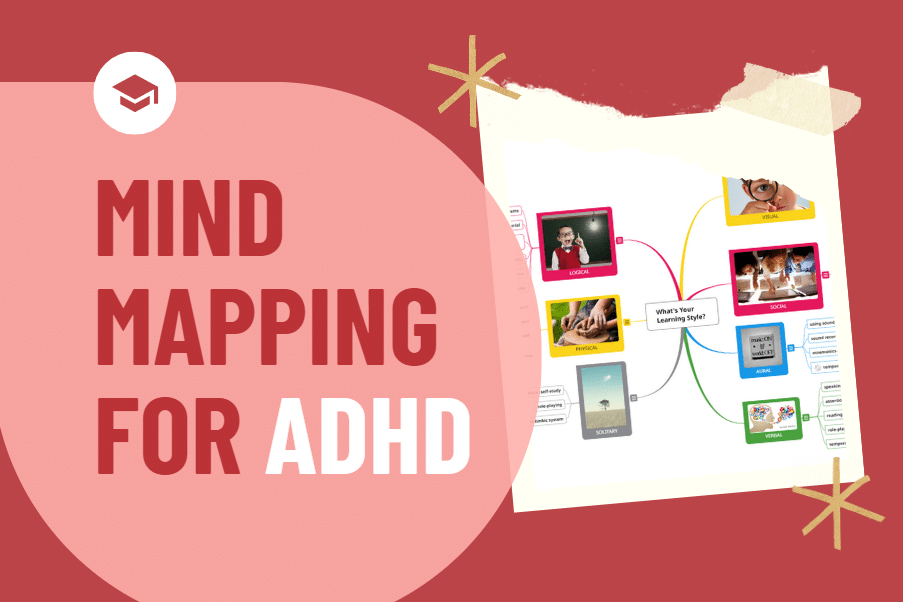
Unlock Your Child's Potential with ADHD Friendly Maps
Understanding the ADHD Brain and Spatial Guidance

Raising a child with Attention Deficit Hyperactivity Disorder (ADHD) often means navigating a daily maze of forgotten backpacks, unfinished homework, and stalled morning routines. Traditional, text-based instructions rarely work for neurodivergent minds. Because executive dysfunction impacts working memory and time blindness, verbal commands evaporate the second they are spoken. To truly unlock your child's potential with ADHD friendly maps, you need to shift away from nagging and toward externalized, visual spatial structures.
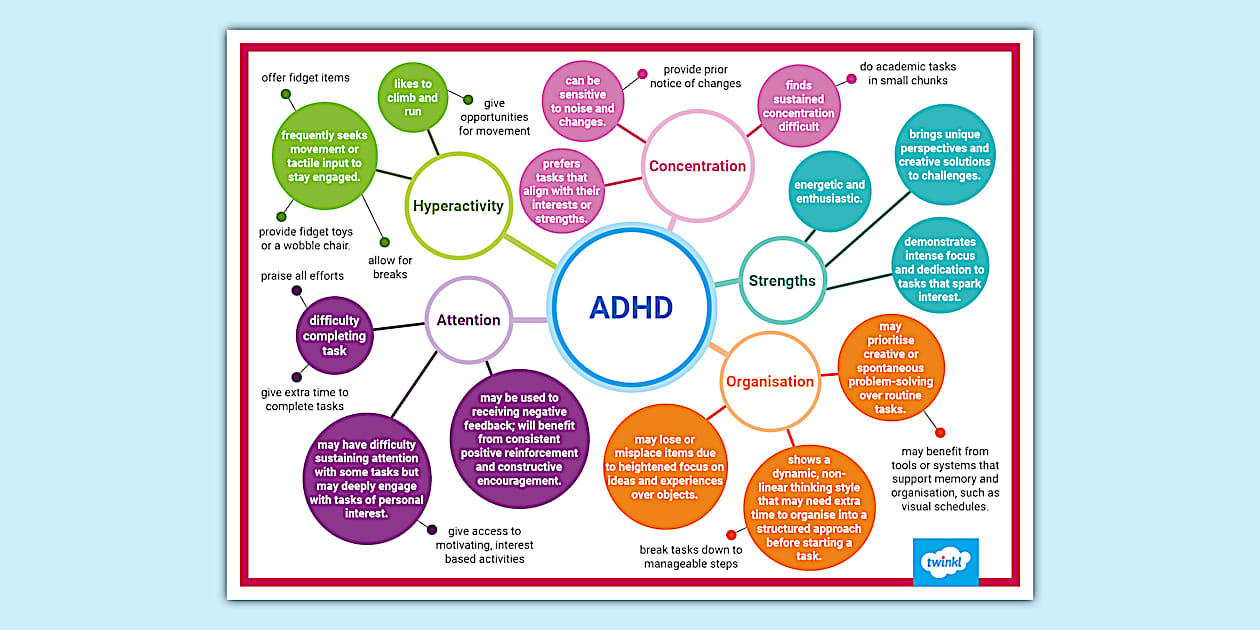
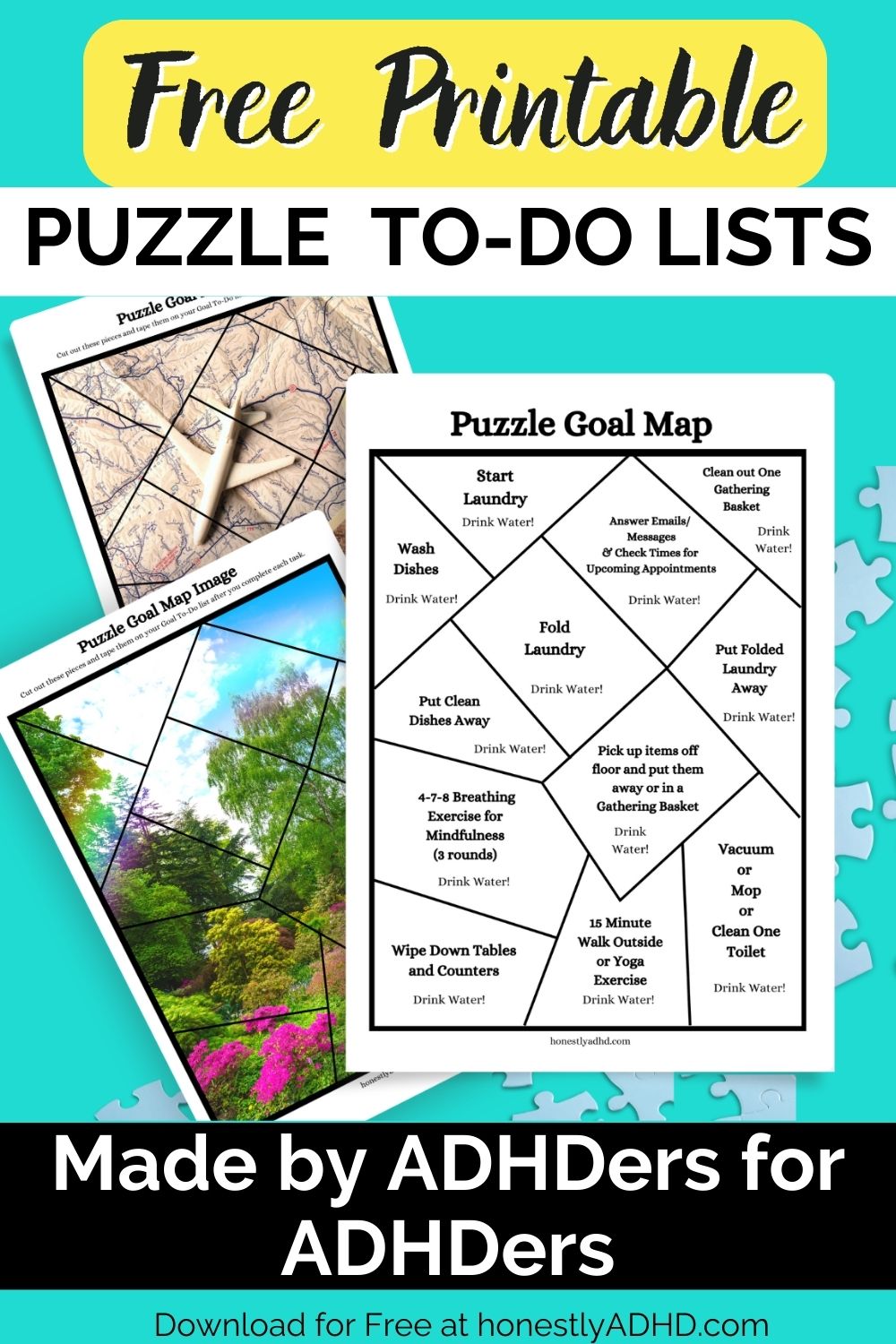
ADHD-friendly maps are not traditional cartography. Instead, they are visual representations of spaces, routines, or tasks that translate abstract time and sequential steps into concrete, spatial experiences. By leveraging the brain's natural strength in visual processing, these tools give children a clear 'lay of the land' for their day, their home, or even their school projects.
Why Traditional Schedules Fail Neurodivergent Kids
Many parents try linear checklists to keep their kids on track. While helpful for neurotypical brains, standard lists can overwhelm a child with ADHD. A list of ten chores looks like a mountain of endless demands without a clear beginning, middle, or sense of physical progression.
The Executive Function Bottleneck
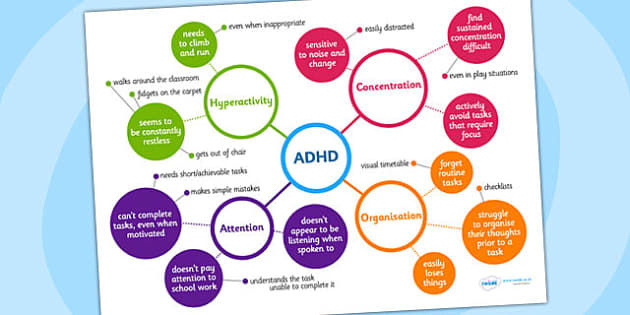
Executive functions are controlled by the prefrontal cortex—the exact area of the brain that develops more slowly in children with ADHD. This manifests as trouble with:
- Working memory (holding multiple instructions in mind)
- Task initiation (knowing where and how to start)
- Time perception (feeling how long a task takes)
- Spatial organization (keeping track of belongings)
When you rely solely on verbal reminders, you force the child to use the exact cognitive systems that are currently fatigued or underdeveloped. Maps bypass this bottleneck by placing the instructions directly into the environment.
Types of ADHD Friendly Maps for Home and School
Implementing spatial and visual guides doesn't require an interior design degree. You can create customized maps depending on what your child struggles with most.
1. The Morning Routine Floor Plan
Instead of yelling, 'Go brush your teeth, grab your shoes, and pack your lunch!' create a simple, bird's-eye-view sketch of your home. Use icons or color-coded footprints to show the physical path your child needs to take. For example:
- Start in the Bedroom (Bed icon: make bed)
- Move down the hallway to the Bathroom (Toothbrush icon: brush teeth)
- Pivot to the Kitchen (Apple icon: grab lunchbox)
- End at the Front Door (Shoe icon: put on shoes)
This spatial approach grounds the routine in physical reality. The child isn't just remembering abstract tasks; they are navigating a physical circuit.
2. The Homework Landing Zone Map
Homework time is notoriously stressful for ADHD households. Create a localized map of the study desk. Draw a miniature layout of the desk surface showing exact zones for specific items:
- Top left corner: Reference books
- Center: Active workbook
- Right drawer: Completed assignments
By defining physical boundaries for items, you reduce visual clutter and the cognitive load required to figure out where things go.
3. Emotional Regulation 'Mind Maps'
ADHD often comes with intense emotional dysregulation. When a child is melting down, asking them how they feel is useless. Instead, use a visual mind map of the house or yard that highlights 'Calm Zones.' Color-coded paths on the map guide the child from a high-stress area (like the noisy kitchen) to a safe space (like a reading nook with weighted blankets) when they feel frustration rising.
Step-by-Step Guide to Creating Your First Map
Designing a tool that your child will actually use requires collaboration. If you impose a map without their input, it becomes just another rule.
- Observe the friction points: Note where daily routines break down the most. Is it getting out the door? Cleaning the bedroom? Focus on just one area first.
- Involve your child: Sit down together with paper and markers. Ask them to help draw the room or the path. Let them choose stickers, icons, or colors to represent each step. Ownership breeds compliance.
- Keep it simple and visual: Limit the number of steps on any single map. Use icons, photos of your child performing the task, or simple sketches rather than long sentences.
- Place it at eye level: Mount the map at the child's physical eye level in the relevant zone. If it's a bathroom routine map, hang it on the back of the bathroom door or right next to the mirror.
Maintaining Momentum and Preventing Map Fatigue
Novelty is a powerful motivator for the ADHD brain. Over time, children may start to ignore a map that has hung on the wall for months. This is entirely normal and does not mean the strategy has failed.
To keep the system fresh, rotate icons, change up the color themes, or let your child redesign the layout every few months. Celebrate small victories when the map successfully prevents an argument. Positive reinforcement strengthens the neural pathways associated with the routine, eventually turning external maps into internalized habits.
Conclusion
Supporting a child with ADHD requires patience, creativity, and a willingness to step outside traditional parenting norms. By replacing nagging with spatial, visual guides, you transform your home from a battlefield of conflicting expectations into a supportive environment. Embrace these tools, involve your child in the design process, and watch as they build the confidence and independence to navigate their world with ease.