Unlocking the Rockefeller Fortune: Are They Still Wealthy?
When people think of old-money American dynasties, one name immediately comes to mind: Rockefeller. For over a century, the name has been synonymous with unimaginable wealth, towering skyscrapers, and unprecedented industrial power. But as modern billionaires like Elon Musk and Jeff Bezos rewrite the record books with fortunes soaring past $200 billion, a burning question remains: when it comes to unlocking the Rockefeller fortune, are they still the wealthiest family alive?

The Rise of an Empire: How John D. Rockefeller Built the Fortune
To understand the current standing of the family, we must first look at the foundation. John D. Rockefeller founded Standard Oil in 1870, quickly growing it into a ruthless monopoly that controlled roughly 90% of the oil refining in the United States. By the early 20th century, Rockefeller had become the world's first modern dollar billionaire.
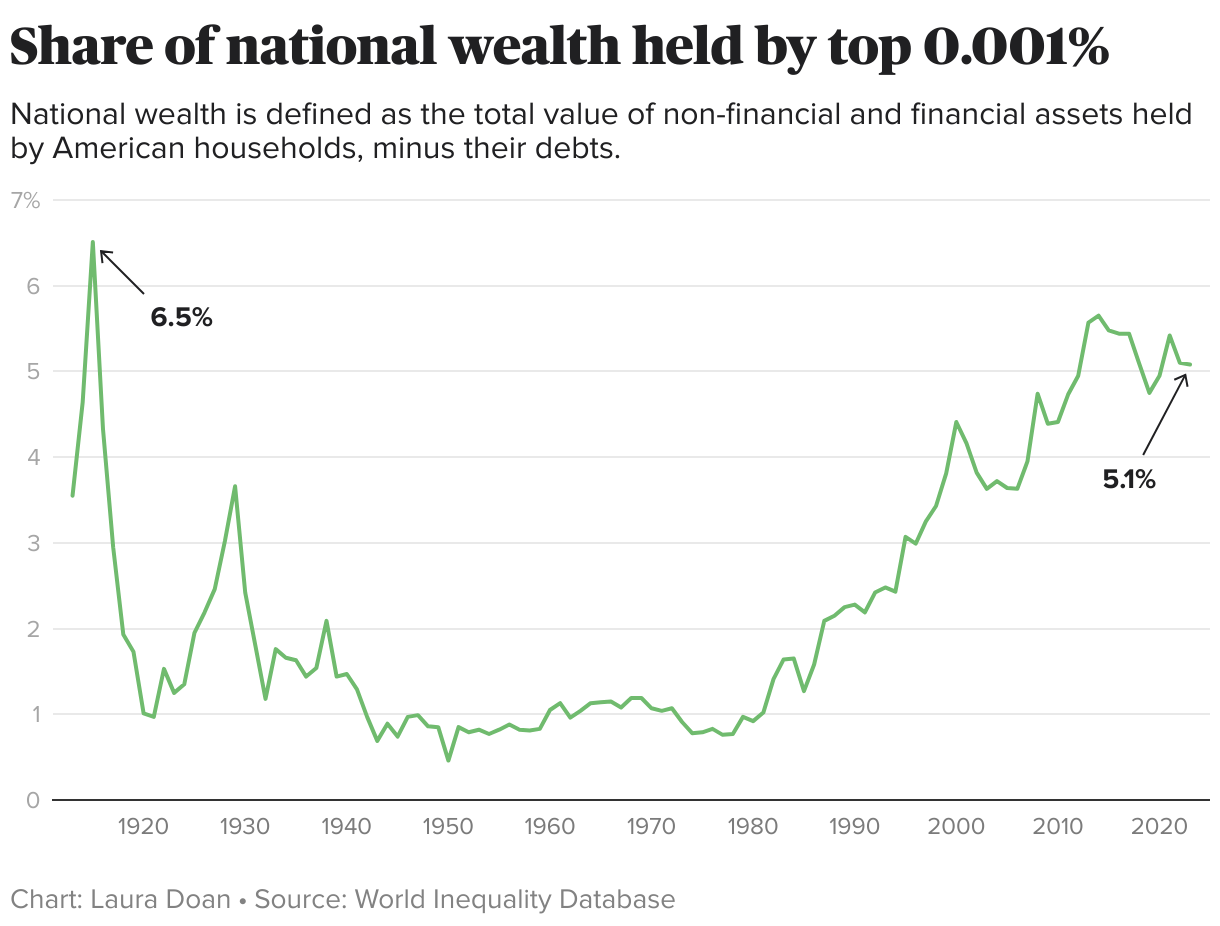
At his peak, Rockefeller’s net worth was estimated to be around 1% to 2% of total US GDP. Adjusted for inflation and modern economic output, some historians calculate that his peak fortune would be worth upwards of $400 billion today, dwarfing contemporary tech moguls. However, preserving that level of wealth across multiple generations is notoriously difficult.
Unlocking the Rockefeller Fortune: Are They Still the Wealthiest Family Alive?
The short answer is no. While the Rockefellers remain fabulously wealthy, they are no longer the richest family in the world, nor do they rank in the top ten of modern wealth lists. Families like the Waltons (Walmart), the Mars family (candy), and the royal house of Saud possess net worths that vastly overshadow the decentralized assets of the modern Rockefeller clan.
Why the Fortune Appears Smaller Today
There are several distinct reasons why the Rockefeller fortune appears diminished compared to modern titans of industry:
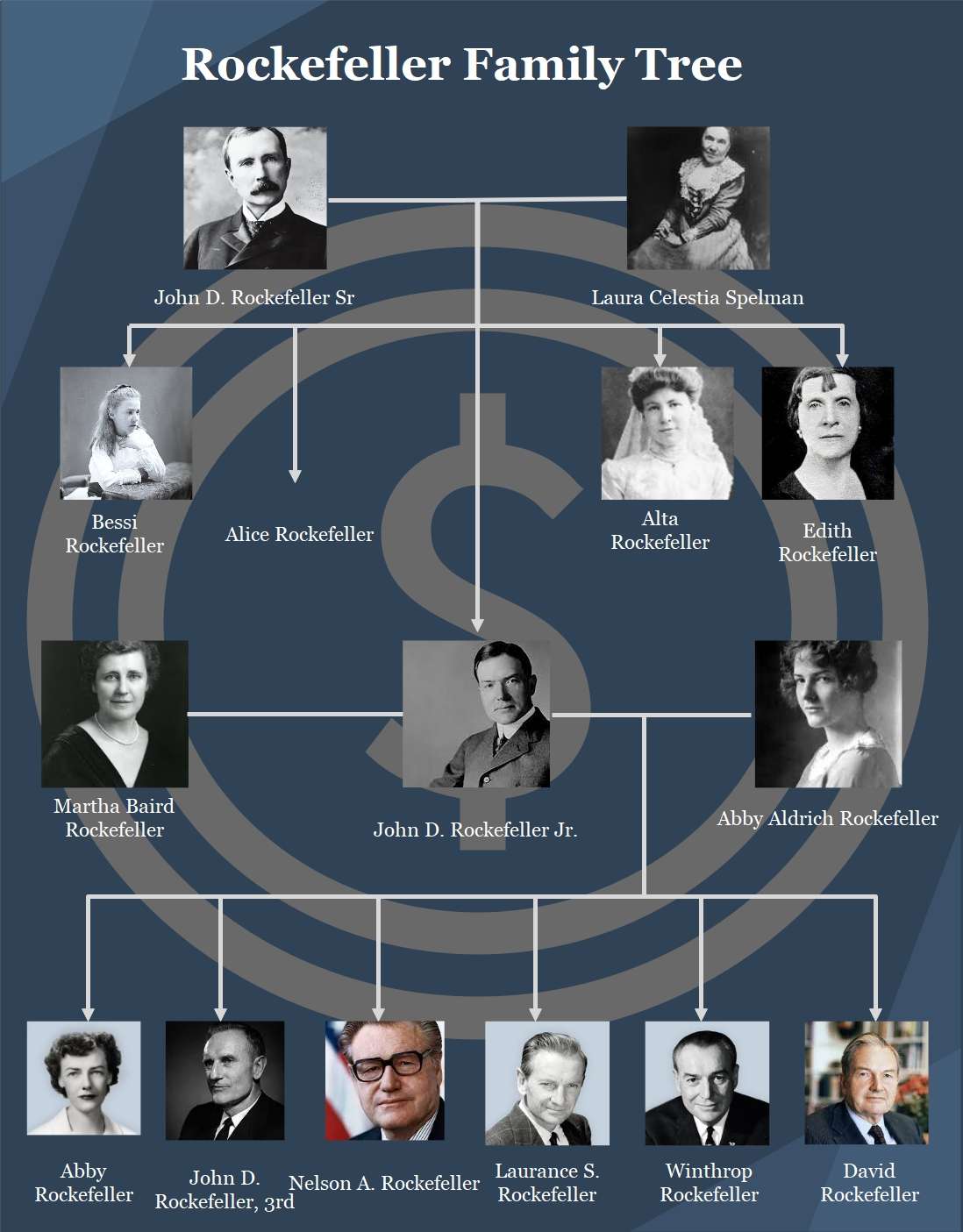
- Dilution through generations: John D. Rockefeller's wealth has been split among children, grandchildren, great-grandchildren, and numerous collateral branches over more than a century. Today, there are well over 100 living descendants.
- Massive philanthropic giving: The Rockefellers practically invented modern philanthropy. John D. Rockefeller gave away more than half a billion dollars during his lifetime—about 10% of his total income—funding the University of Chicago, the Rockefeller Foundation, and medical research.
- The breakup of Standard Oil: In 1911, the US Supreme Court found Standard Oil in violation of antitrust laws, forcing it to split into 34 separate companies (such as ExxonMobil, Chevron, and Amoco). While this actually increased the value of the shares over time, it decentralized the family's direct industrial control.
Trusts, Family Offices, and Preservation Strategies

Despite not holding the number-one spot globally, the family is far from poor. Much of the remaining wealth is protected through sophisticated financial instruments established generations ago.
The Role of Family Trusts
In the 1930s and 1950s, John D. Rockefeller Jr. and his sons set up a series of generational trusts designed to protect the family fortune from heavy taxation and reckless spending. These trusts provided steady income for descendants while keeping the principal assets locked away under the management of professional trustees and financial advisors.
The Rockefeller Family Office (Rockefeller Capital Management)
To manage their vast assets, the family pioneered the concept of the "single-family office," which eventually evolved into Rockefeller Capital Management. This firm manages billions of dollars not just for the Rockefeller family, but for other ultra-high-net-worth clients globally, ensuring that their capital continues to generate returns through diversified investments in venture capital, real estate, and global equities.
The Legacy of Influence Over Pure Net Worth
While internet forums frequently debate whether the Rockefellers are secretly worth trillions, financial analysts agree that their liquid net worth sits somewhere in the range of $8 billion to $10 billion combined. This makes them wealthy, but puts them far behind modern multi-billionaires.
However, measuring the Rockefellers purely by net worth misses the point. Their true enduring power lies in institutional legacy. From Rockefeller Center in New York City to global health initiatives that eradicated hookworm and contributed to the development of the yellow fever vaccine, their imprint on the modern world is permanent. They may no longer be the wealthiest family alive, but their blueprint for wealth preservation and philanthropy remains unmatched.