Unravel the Story Behind Seattle Jazz Alley's Iconic Sound
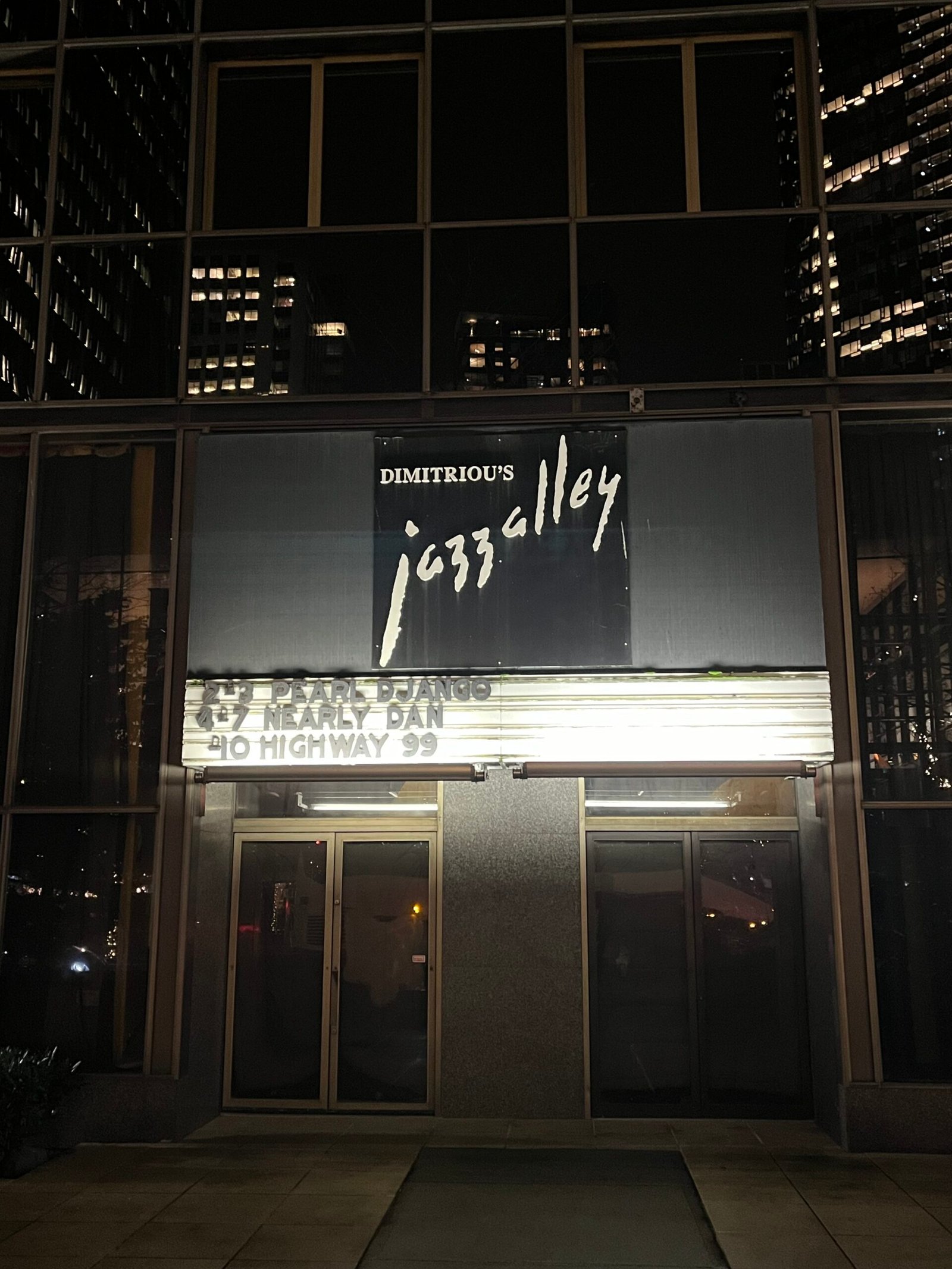
Tucked beneath the high-rises at 6th Avenue and Lenora Street in downtown Seattle, Dimitriou’s Jazz Alley is one of the world's most enduring and acoustically revered jazz venues. For more than four decades, patrons have stepped off rainy Pacific Northwest sidewalks into an intimate, warm room where legends like Dizzy Gillespie, McCoy Tyner, and Sarah Vaughan have traded phrases with the ghosts of jazz past. To understand why music sounds so remarkably rich here, one must unravel the story behind Seattle Jazz Alley's iconic sound—a blend of architectural intent, relentless acoustic tuning, and a deep reverence for the art form itself.

The Vision of John Dimitriou: A Club Built for the Ear
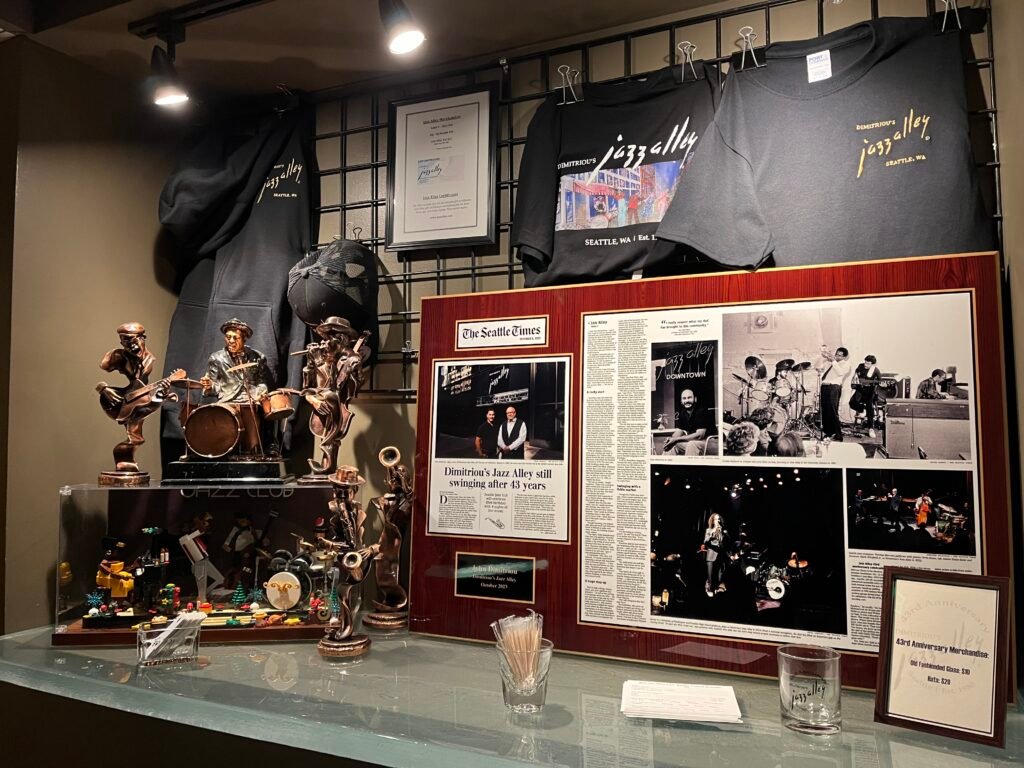
Dimitriou’s Jazz Alley did not begin in its sleek Belltown location. Founded by John Dimitriou in 1979, the venue initially operated out of a modest, tucked-away space in Seattle’s University District. Dimitriou came to the venture with rare industry pedigree: he had previously managed the legendary Keystone Korner in San Francisco, widely considered one of the premier jazz rooms of the 1970s.
At Keystone Korner, Dimitriou observed the delicate equation of live acoustic performance. He noticed how heavy drapery absorbed high-frequency cymbal wash, how low ceilings could muddy a walking bass line if not properly treated, and how the physical distance between performer and audience altered an artist's touch. When he relocated Jazz Alley to its permanent downtown home in 1985, Dimitriou set out to build a club where the listening experience took precedence over everything else, including high-capacity ticket sales.
Unravel the Story Behind Seattle Jazz Alley's Iconic Sound
The auditory identity of Jazz Alley is rarely an accident; it is the product of room geometry, intentional damping, and sound reinforcement designed to support—not overpower—acoustic instruments.
Tiered Architecture and Line-of-Sight Dynamics
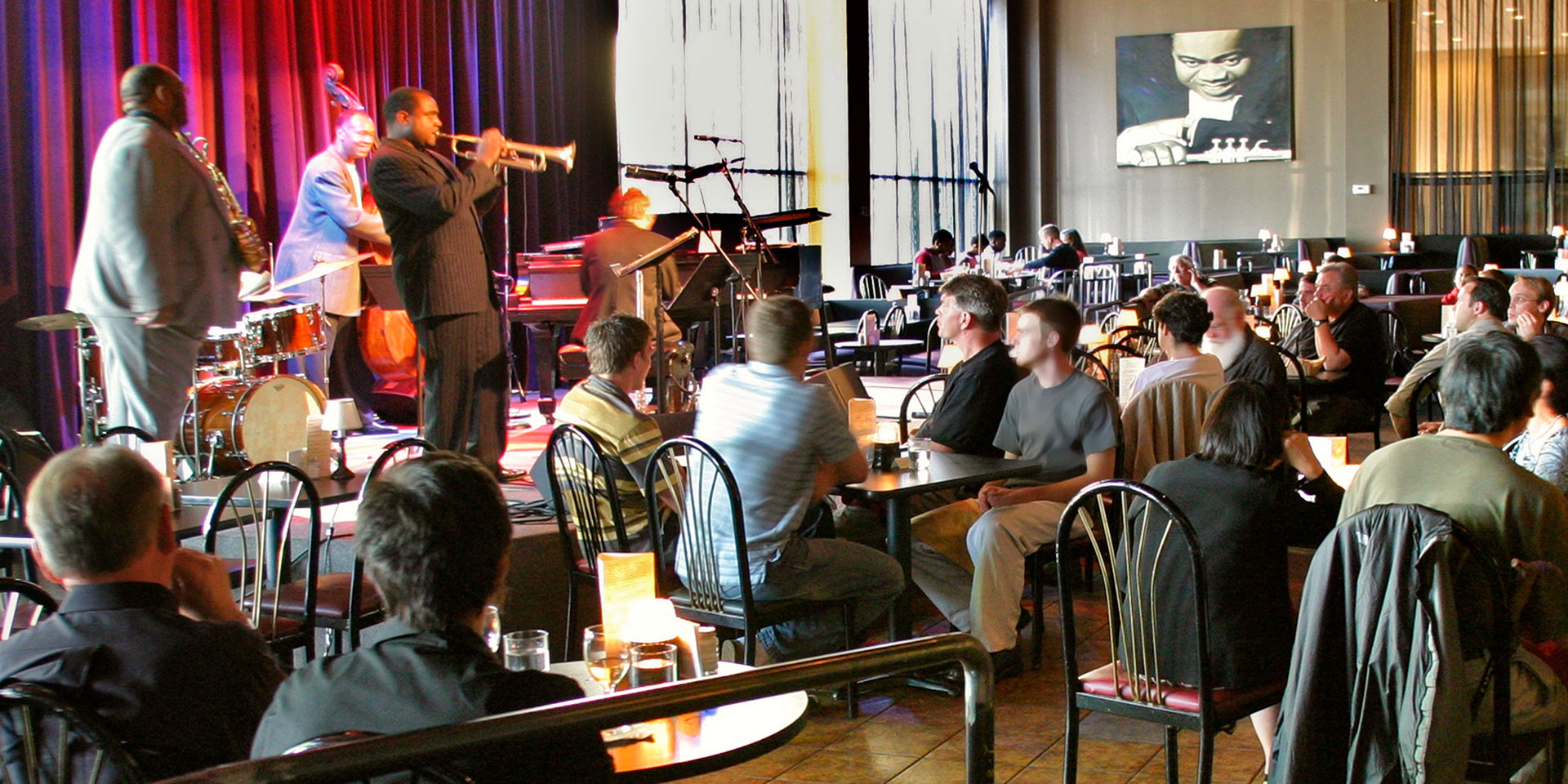
Unlike cavernous concert halls or flat-floor rock clubs, Jazz Alley was constructed as a tiered supper club. The room fans out in a semi-circular amphitheater arrangement around a low-profile stage. This layout accomplishes two vital sonic goals:
- Direct Acoustic Energy: Because the audience is arranged vertically in shallow tiers, sound travels along clean lines of sight without being blocked by heads or bodies in front rows.
- Minimized Slap-Back Echo: The non-parallel layout breaks up standing waves. In a boxy room, low-end bass frequencies easily pool in 90-degree corners, causing a boomy, indistinct rumble. The architectural curves of Jazz Alley diffuse reflections before they reach the listener's ear.
Acoustic Damping and Warmth
Jazz relies heavily on dynamic range. A drum solo can peak at over 100 decibels, while a muted trumpet or bowed upright bass might hover around a whisper. To capture both extremes cleanly, Jazz Alley incorporates sound-absorbing materials throughout its interior. Carpeted floors, upholstered banquettes, and specialized acoustic ceiling treatments absorb excess reverberation, bringing the room's decay time down to a manageable, intimate level. The result is a "dry" room that sounds punchy and natural rather than hollow or ringy.
Video: Seattle's iconic Jazz Alley
Transparent Sound Reinforcement
Even the best room acoustics fail if the PA system is heavy-handed. Jazz Alley has consistently relied on custom, high-fidelity sound systems—often leveraging Meyer Sound components—calibrated specifically for acoustic warmth. Front-of-house engineers at the venue approach their craft like classical record producers: amplification is treated as transparent reinforcement rather than aggressive volume enhancement. Patrons hear the actual string vibrating on the fingerboard and the natural wood resonance of the drum shells before the sound passes through the speakers.
The Artists Who Tuned the Room
A venue's sound is also seasoned by the musicians who play it. Over the decades, Jazz Alley evolved into a favorite tour stop because the stage sound was as gratifying for players as the house mix was for listeners.
Masters like Oscar Peterson and Bill Evans played the venue’s grand piano with exceptional sensitivity because they could hear their own dynamic nuances without fighting room reflections. Drummers often noted that Jazz Alley was one of the few rooms where they didn't need to suppress their playing with damping pads or light brushes—they could express themselves fully without overwhelming the mix.
This ongoing dialogue between visiting virtuosos and resident sound engineers allowed the venue to make subtle micro-adjustments over decades: repositioning monitor wedges, fine-tuning the piano’s internal boundary microphones, and adjusting overhead microphone placements to capture the true breath and presence of vocalists.
Listening Room Etiquette and Atmosphere
Acoustics are not purely mechanical; they are deeply psychological. A room cannot deliver world-class sound if it is filled with clinking glassware and competing conversations. Jazz Alley solved this by establishing a strict, respected listening-room culture.
- Silent Dinner Service: While patrons enjoy a full Pacific Northwest dinner menu before the show, table service transitions to silent, unobtrusive beverage runs once the music starts.
- Audience Reverence: The layout naturally commands attention toward the stage. Audiences at Jazz Alley are renowned among touring acts for their attentiveness, which lowers the room's noise floor and lets performers play with whisper-quiet dynamics.
- Sightline Proximity: No table sits excessively far from the band. When an audience is physically close to the instruments, their emotional engagement sharpens, amplifying the intimacy of the musical dialogue.
An Enduring Standard in the Pacific Northwest
As historic jazz clubs across North America have closed due to escalating urban rents and shifting musical tastes, Dimitriou’s Jazz Alley remains an essential cultural anchor in Seattle. Its longevity rests squarely on its refusal to compromise on sonic clarity. In an era dominated by hyper-compressed digital music and cavernous stadium spectacles, stepping inside Jazz Alley offers an increasingly rare pleasure: hearing master musicians play unadorned acoustic instruments in an environment built specifically to honor their tone.