Unscripted Woodstock 99 Uncut Moments & Chaos
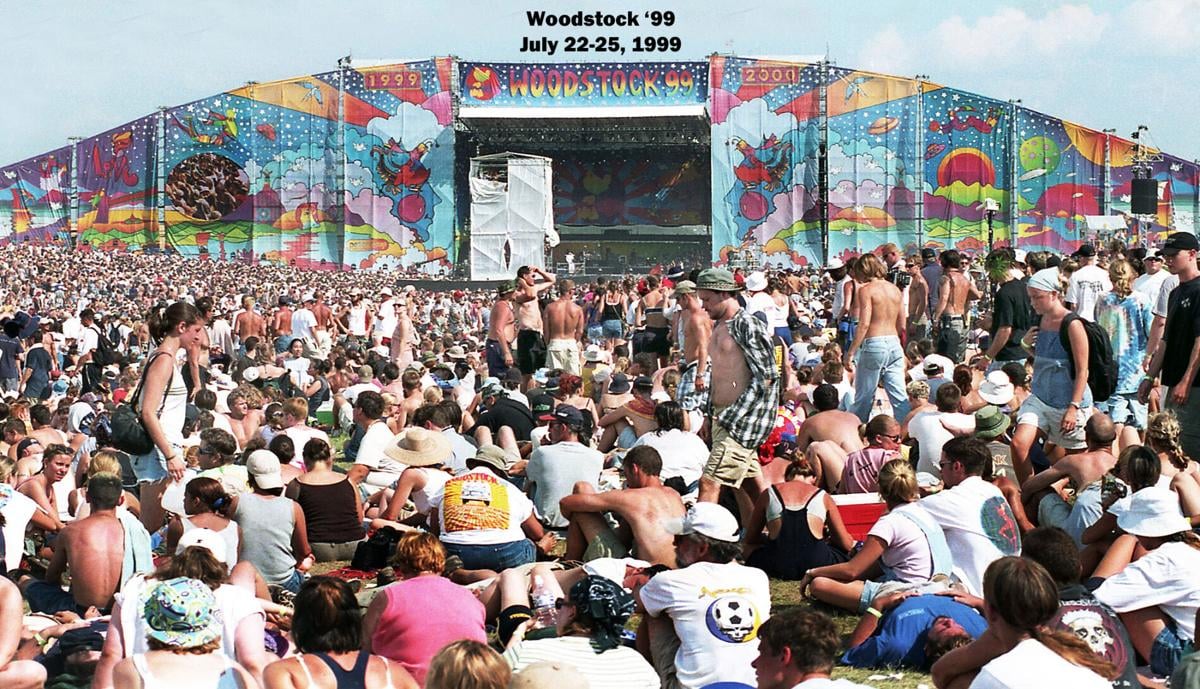
In late July 1999, roughly 220,000 music fans descended on the former Griffiss Air Force Base in Rome, New York. Billed as an anniversary celebration of the historic 1969 gathering, the weekend quickly unraveled into an environmental and social catastrophe. While official pay-per-view broadcasts tried to present a standard summer music festival, looking back at the unscripted Woodstock 99 uncut moments reveals how rapidly commercial exploitation, extreme heat, and institutional neglect drove the crowd past the breaking point.

Stripped of retrospective editing, the raw footage captures a volatile mixture of late-1990s angst, logistical failure, and corporate cynicism. These moments remain essential viewing for anyone seeking to understand modern festival culture, concert security, and the definitive collapse of the peace-and-love mythology.
The Setting: An Industrial Kiln
Before examining individual stage incidents, the physical environment demands context. Griffiss Air Force Base was not a rolling green pasture; it was an expansive grid of concrete, asphalt, and decommissioned aircraft hangars. In late July, ambient temperatures reached nearly 100 degrees Fahrenheit, with the black tarmac radiating heat far beyond that mark.
Attendees faced brutal logistical realities from the opening hours:
- Exorbitant Prices: Bottled water cost $4 (roughly $7.50 adjusted for inflation), leading many attendees to abandon hydration entirely.
- Sanitation Failures: Portable toilets overflowed by Saturday morning, spilling effluent across the campgrounds. Rumors spread that the "mud" festival-goers were sliding in was heavily contaminated with raw sewage.
- Lack of Shade: The airfield offered virtually no natural cover. Desperate attendees dismantled vendor stalls and warning barricades simply to build makeshift shelters against the sun.
Unscripted Woodstock 99 Uncut Moments Captured on Film
The unedited camera feeds from the weekend document a steady progression from frenzied celebration to open revolt. Several key moments illustrate how the festival lost control in real time.
1. Korn and the Friday Night Swarm
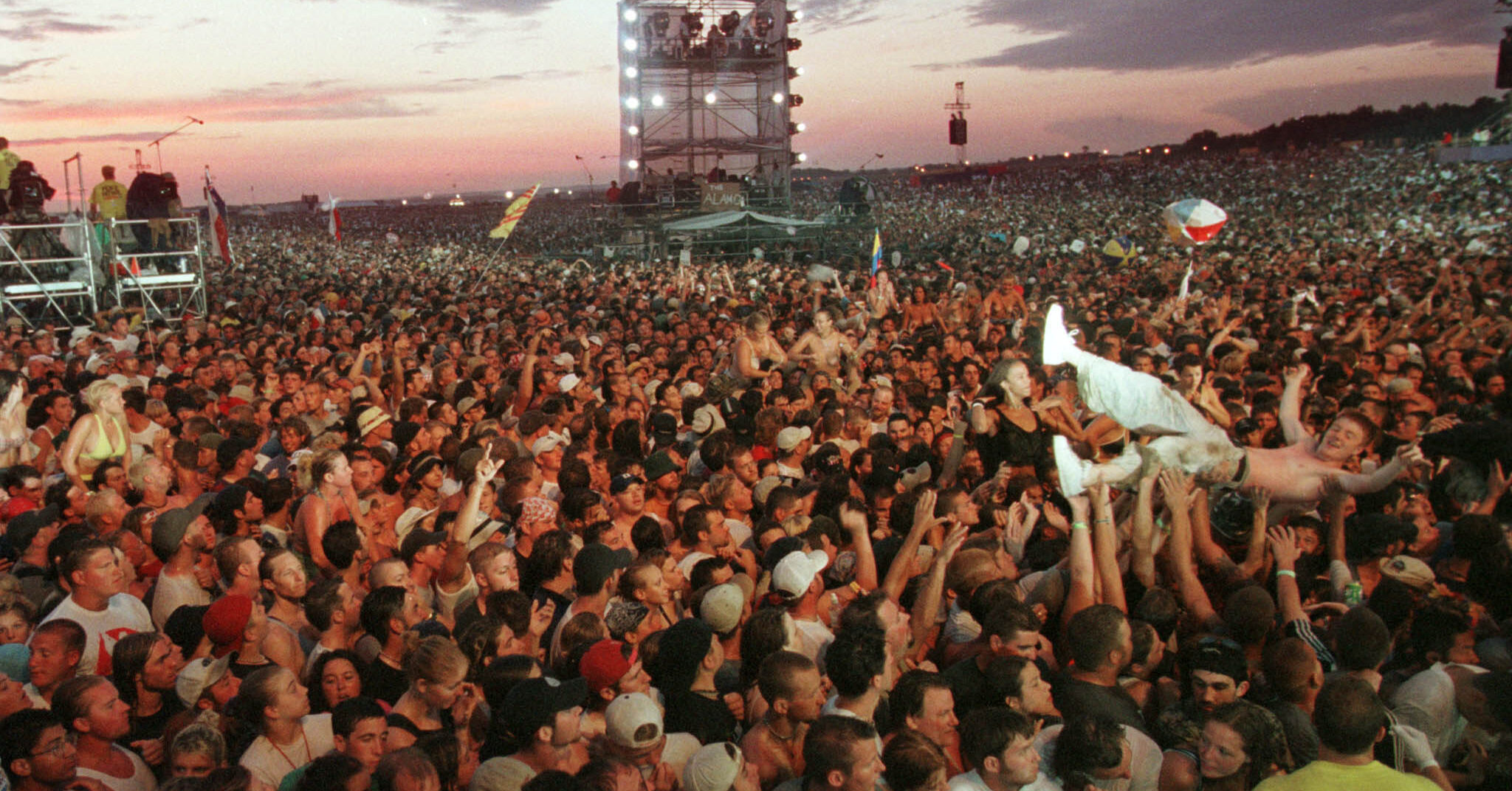
On Friday evening, Korn took the East Stage. Uncut footage of their opening song, "Blind," shows an estimated 200,000 people moving simultaneously as frontman Jonathan Davis screamed, "Are you ready?!" The ground shook visibly on wide-angle camera feeds.
While the performance was musically triumphant, unedited backstage video showed production staff realizing the sheer scale of the gathering. Medical tents were overwhelmed within the first hour as hundreds of dehydrated, trampled fans were passed over security barricades. It was the first sign that physical crowd containment was an impossibility.
2. Limp Bizkit and the Plywood Destruction
Saturday night marked the point of no return. As Limp Bizkit launched into their hit "Break Stuff," singer Fred Durst famously told the crowd not to mellow out, urging them to unleash their anger. Raw broadcast angles show fans stripping large sheets of heavy plywood from the festival's "Peace Wall" perimeter and using them to crowd surf.
Uncut feeds capture security personnel abandoning their posts near the sound towers as fans scaled speaker scaffolding and tore down control booths. Off-mic audio from festival personnel revealed panic in the production control room, yet the music continued, feeding the escalating rage.

3. The Late-Night Hangar Rave Invasion
Late Saturday night into Sunday morning, electronic artist Fatboy Slim performed inside an airplane hangar converted into an all-night rave tent. The unedited footage from this event looks more like a dystopian thriller than a concert. In the middle of the set, a stolen supply van was driven straight through the side of the hangar and into the dancing crowd.
The performance was abruptly cut as security extracted the artist. Unscripted footage reveals terrified ravers scattering in panic, while others climbed atop the vehicle to continue partying, completely oblivious to the danger.
4. The Sunday Night Bonfires
The final act of destruction occurred Sunday night during performances by the Red Hot Chili Peppers. An anti-violence organization had distributed thousands of white candles for a planned peace vigil during the festival finale. Instead, frustrated and exhausted attendees used the candles to ignite towering pyres using trash, discarded mattresses, and wooden vendor stalls.
As the band performed an improvised cover of Jimi Hendrix's "Fire," twelve-foot flames illuminated the tarmac. Raw, unedited camera footage shows festival-goers forming drum circles around the bonfires, looting merchandise trailers, and tipping over tractor-trailers as state troopers in riot gear moved in to clear the airfield.
Behind the Broadcast: The Denial of Organizers
Some of the most revealing unscripted Woodstock 99 uncut moments happened far away from the stages, inside the press conference tent. While raw feeds showed plumes of smoke and medical facilities in crisis, festival organizers Michael Lang and John Scher held daily media briefings downplaying the unrest.
Archival press tapes show journalists confronting the organizers about water gouging, sexual assaults in the mosh pits, and systemic sanitation breakdowns. Scher repeatedly blamed isolated agitators and insisted the overwhelming majority of attendees were experiencing a harmonious weekend. This disconnect between executive rhetoric and the on-the-ground reality remains one of the most striking aspects of the archival documentation.
The Legacy of Woodstock '99 Footage
The unedited visual record of Woodstock '99 serves as more than just a cautionary tale for modern event planners. It captures the end of an era in American youth culture. The genuine countercultural optimism that characterized the 1960s was aggressively commodified, packaged, and sold back to a generation that responded with cynicism and destructive nihilism.
Today, large-scale festivals like Coachella, Bonnaroo, and Lollapalooza operate under strict regulatory frameworks, free hydration mandates, and advanced crowd-management protocols—all shaped directly by the failures documented at Griffiss Air Force Base. The unvarnished, raw tapes of that weekend endure as historical evidence of what happens when safety and human decency are traded for unchecked profit.