Unveiling Gerry Rafferty’s True Net Worth Mystery
When Scottish singer-songwriter Gerry Rafferty passed away in January 2011 at the age of 63, headlines across the world celebrated the enduring genius behind classics like “Baker Street” and “Stuck in the Middle with You.” Almost immediately, however, public attention shifted toward his finances. Tabloid rumors and celebrity wealth trackers painted wildly divergent pictures: some claimed he died penniless in a haze of personal struggles, while others claimed he had quietly amassed a private fortune exceeding tens of millions of pounds. Unveiling the Million-Dollar Myth: Gerry Rafferty’s True Net Worth Mystery requires separating sensational music-industry folklore from the documented realities of publishing royalties, probate disclosures, and catalog valuation.

The Legend of the “Baker Street” Windfall
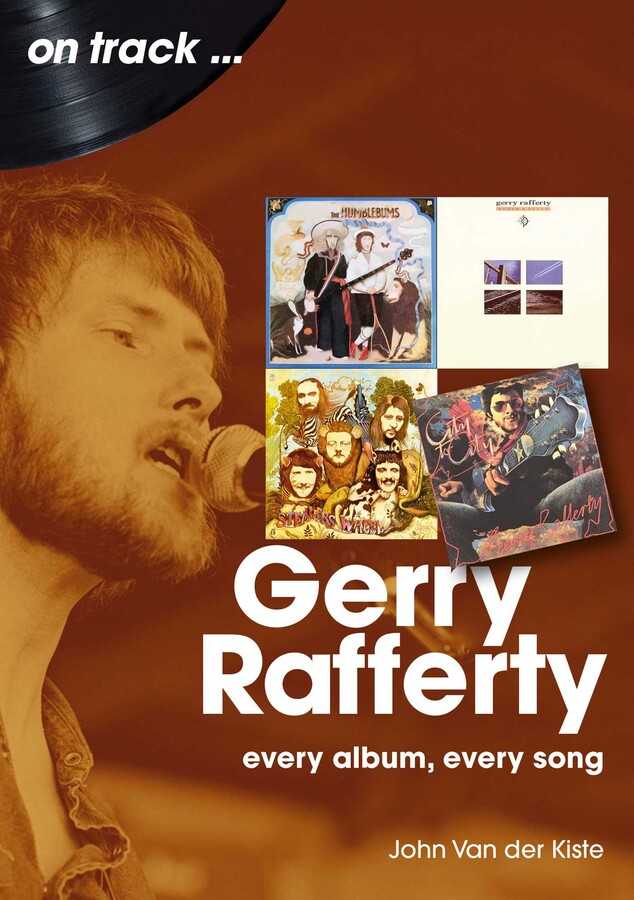
To understand Gerry Rafferty’s financial footprint, one must first look at the astronomical success of his 1978 solo masterpiece, City to City. The centerpiece of that album, “Baker Street,” featured one of the most recognizable saxophone riffs in modern music history (famously performed by Raphael Ravenscroft).
Unlike many artists of his generation who signed predatory management contracts, Rafferty was fiercely protective of his creative autonomy and publishing rights following a bitter legal battle after the breakup of his earlier band, Stealers Wheel. Because he held significant songwriting and publishing shares, “Baker Street” became an extraordinary financial engine:
- Annual Royalties: For decades after its release, “Baker Street” was estimated to generate roughly £80,000 to £100,000 ($125,000 to $160,000) every single year in radio airplay and mechanical royalties alone.
- Sync Licensing & Covers: Frequent placements in film, television, and high-profile covers (such as Undercover’s 1992 dance version and Foo Fighters’ rock rendition) brought continuous supplemental income.
- Stealers Wheel Catalog: Quentin Tarantino’s use of “Stuck in the Middle with You” in the 1992 cult classic Reservoir Dogs revived worldwide interest in Rafferty’s earlier catalog, delivering a second massive financial resurgence.
By all standard metrics, these revenue streams should have cemented Rafferty as a decamillionaire. Yet, upon his death, the paper trail revealed a far more complicated picture.
Unveiling the Million-Dollar Myth: Gerry Rafferty’s True Net Worth Mystery
Online celebrity valuation platforms often throw around arbitrary figures, estimating Rafferty’s net worth anywhere between $5 million and $15 million. While his lifetime earnings comfortably surpassed those figures, net worth at the time of death is measured by tangible assets, cash reserves, and legally titled holdings—not lifetime gross receipts.
The myth that Rafferty died completely destitute was fueled by the tragic decline of his final years. Battling severe alcoholism and declining physical health, Rafferty had withdrawn from public life. He lived intermittently in high-end rental properties, spent periods in medical clinics, and occasionally went off the grid, once sparking a national media frenzy when newspapers incorrectly reported him “missing” from a London hospital in 2008.
Sensationalist reporters equated his chaotic lifestyle with financial bankruptcy. Both extremes—the multi-tens-of-millions empire and the penniless recluse—were demonstrably false.
What Official Probate Records Actually Revealed
When Rafferty’s will entered probate in the High Court in London, official legal records provided the first concrete look at his actual UK estate. The findings surprised those expecting either astronomical wealth or empty bank accounts.
According to the documented grant of probate:
- Gross UK Estate: Valued at approximately £1.25 million.
- Net Estate: After settling outstanding debts, liabilities, and administrative costs, the net UK value stood at roughly £1.04 million (approximately $1.65 million at 2011 exchange rates).
These figures did not represent his entire lifetime wealth, but they reflected the domestic liquid and physical estate registered under his direct personal name in the United Kingdom.
The International and Trust Dimensions

Probate numbers in the UK typically exclude assets held in private trusts, corporate publishing entities, or properties owned outside British jurisdiction. Over the course of his career, Rafferty spent significant time in North America and mainland Europe. He owned property in California and held financial arrangements that separated his day-to-day accounts from his underlying intellectual property.
The £1.04 million figure was essentially a snapshot of his immediate cash and domestic personal property, not an absolute evaluation of his ongoing song catalog.
Where Did the Millions Go?
Given that Rafferty earned tens of millions of pounds throughout the late 1970s, 1980s, and 1990s, how did his liquid estate dwindle to around £1 million? Several factors explain the gap between his gross earnings and final net worth:
- British Tax Rates: During Rafferty’s peak earning years in the late 1970s, the top marginal tax bracket in the UK reached punitive heights (the infamous 83% top rate on earned income, and up to 98% on unearned investment income). Like many contemporary rock artists, high taxes consumed a vast portion of his peak earnings.
- Costly Litigation: The legal dissolution of Stealers Wheel and disputes with former management during the mid-to-late 1970s cost Rafferty three years of prime recording time and substantial legal retainers before he was cleared to release City to City.
- Disregard for Commercialism: Rafferty notoriously hated touring, refused lucrative American stadium tours, and turned down commercial sponsorship deals that could have generated hundreds of millions of dollars. He viewed his craft as art rather than a corporate enterprise.
- Medical and Living Expenses: In his final decade, Rafferty incurred immense medical costs, extended hospitalizations, private nursing care, and expensive long-term hotel stays in Brighton and London.
The Will, the Dispute, and the Family Legacy
Rafferty’s final will brought its own share of controversy. Executed in 2007, his will appointed his daughter, Martha Rafferty, as the executor and primary beneficiary. He notably excluded his Italian fiancée, Enzina Fuschini, with whom he had shared his final years.
Fuschini subsequently filed a claim against the estate under the Inheritance (Provision for Family and Dependants) Act 1975, arguing that she had been supported by Rafferty and had helped care for him during his prolonged illness. The legal proceedings eventually settled out of court, ensuring that the primary bulk of Rafferty’s financial and musical legacy remained under the stewardship of his daughter.
Martha Rafferty has since actively managed her father’s catalog, ensuring remastered reissues, careful licensing, and the release of posthumous recordings, including the 2021 album Rest in Blue.
The True Worth: Evaluating Intellectual Property Today
In the modern music market, an artist’s net worth cannot be measured solely by bank balances. The seismic rise of music catalog acquisitions by firms like Hipgnosis, Concord, and Primary Wave has redefined how songwriter catalogs are valued.
If Rafferty’s complete songwriting and master publishing rights were taken to market today, the capital value of his catalog would likely fetch between $15 million and $25 million, given the perennial evergreen status of “Baker Street” and “Stuck in the Middle with You” across streaming platforms like Spotify, Apple Music, and YouTube.
Conclusion
The mystery surrounding Gerry Rafferty’s net worth is resolved not by choosing between wealth and tragedy, but by recognizing both. Rafferty was neither a penniless derelict nor an active tycoon counting tens of millions in personal accounts. At his passing, his probate estate sat modestly at around £1 million, reduced by taxes, health struggles, and a deliberate refusal to compromise his artistic integrity for corporate gain. Yet through his intellectual property, Rafferty left behind an enduring goldmine that continues to support his heirs and enrich the history of popular music.