UPS Warehouse Worker Salary: Pay, Benefits, & Hours
Understanding the UPS Warehouse Worker Salary

If you are considering a job in logistics or supply chain operations, researching the typical UPS warehouse worker salary is a smart first step. UPS, formally known as United Parcel Service, is one of the largest package delivery companies in the world. Because of its massive network, the company employs hundreds of thousands of warehouse associates—commonly referred to as package handlers—to sort, load, and unload millions of packages daily.
Compensation for these entry-level and career-oriented logistics positions has evolved significantly in recent years, largely driven by union negotiations, competitive labor markets, and the sheer volume of e-commerce shipping. This comprehensive guide explores what you can expect to earn, the benefits package attached to the job, and the factors that influence your overall take-home pay.
Base Pay Rates and Hourly Wages
Unlike many corporate roles that rely on annual salaries, most warehouse positions at UPS are paid on an hourly basis. Your exact earnings depend on whether you work part-time or full-time, your specific shift, and your geographic location.
Part-Time vs. Full-Time Earnings
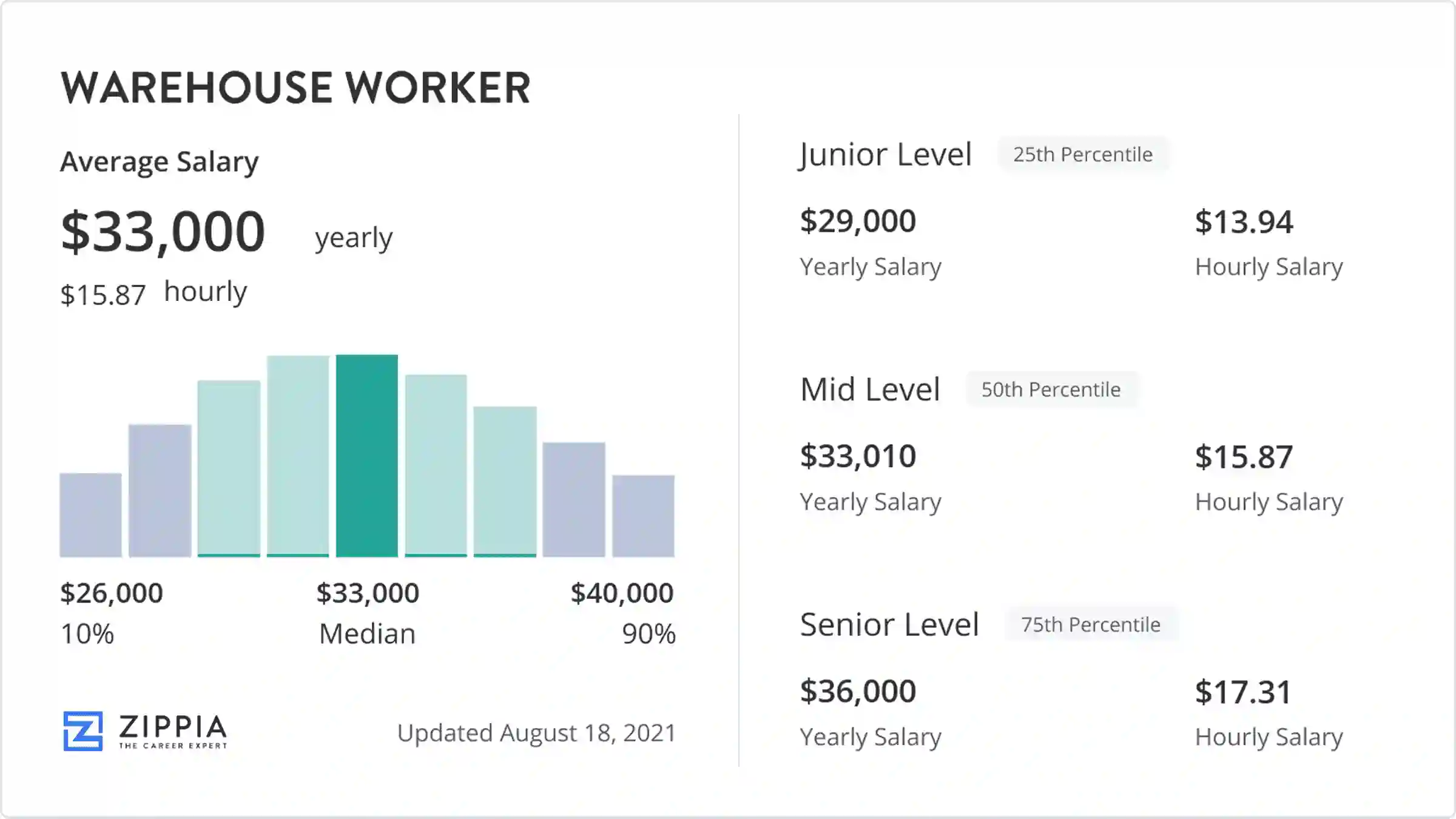
The vast majority of entry-level warehouse positions at UPS start as part-time jobs. Historically, part-time package handlers form the backbone of the sorting operations. Entry-level hourly rates typically start between $19 and $23 per hour, depending heavily on the cost of living in your local area and recent collective bargaining agreements.
While part-time shifts generally range from 15 to 20 hours per week (often structured around early morning, twilight, night, or weekend sorts), full-time opportunities do exist. Full-time warehouse workers often log 40 hours or more per week, particularly during high-demand periods, translating to a much higher annual gross income.
Regional Adjustments and Cost of Living
Geography plays a major role in determining your pay. A warehouse worker in a high-cost-of-living metropolitan area like New York City, San Francisco, or Seattle will command a higher starting wage than someone working in a rural facility in the Midwest. UPS adjusts its pay scales regionally to remain competitive in local labor markets.
Benefits and Total Compensation
When evaluating a UPS warehouse worker salary, looking only at the hourly wage tells half the story. One of the primary reasons workers seek employment at UPS is the exceptionally robust benefits package, which is frequently ranked among the best in the warehousing and transportation industry.
Video: Your Life at Every Level of Working at UPS (Overheated, Underpaid, Never Full-Time)

- Comprehensive Healthcare: Eligible employees, including many part-time workers, gain access to medical, dental, and vision insurance with very low out-of-pocket costs and minimal deductibles.
- Tuition Assistance: Programs like the UPS Earn and Learn program offer financial assistance for higher education, making it an attractive option for students working through college.
- Retirement Plans: Qualified workers are often included in company-sponsored pension plans and 401(k) options, helping build long-term financial security.
- Paid Time Off: Depending on tenure and local agreements, workers receive paid holidays, sick leave, and vacation time.
Factors That Can Increase Your Earnings
There are several distinct ways to boost your overall earnings while working in a UPS distribution facility. If you want to maximize your income, consider the following avenues:
Shift Differentials
Warehouse operations run around the clock. Working undesirable hours—such as the twilight, night, or early morning pre-load shifts—frequently comes with a shift differential. These extra cents or dollars per hour add up quickly over the course of a pay period.
Peak Season Bonuses and Overtime
The holiday shopping season, stretching from November through January, is the busiest time of year for logistics providers. During this "peak season," UPS often implements seasonal bonuses, higher temporary pay rates, and abundant overtime opportunities. Working hours over 40 in a standard workweek are paid at time-and-a-half, significantly increasing your weekly paycheck during the winter months.
Internal Promotions and Progression
UPS has a strong promote-from-within culture. Many high-ranking supervisors, operations managers, and specialized drivers started as hourly warehouse workers. As you gain tenure under union contracts, your hourly wage automatically steps up at scheduled intervals. Furthermore, transitioning into roles like a feeder driver, plant mechanic, or administrative supervisor will substantially increase your earning potential.
The Role of Union Representation
A defining characteristic of working at UPS is representation by the International Brotherhood of Teamsters. The labor union negotiates national master agreements that dictate wages, safety standards, grievance procedures, and guaranteed pay increases over the life of the contract. This structure ensures transparent, predictable pay raises and shields workers from arbitrary wage cuts, offering a level of job security rarely found in standard entry-level warehousing jobs.
Is a UPS Warehouse Job Right for You?
Working in a UPS sorting facility is physically demanding. Tasks require repetitive lifting of heavy boxes (often up to 70 pounds), standing for long periods, bending, and working at a fast pace to meet strict operational deadlines. However, for candidates willing to put in the physical effort, the combination of a competitive hourly wage, unmatched healthcare benefits, and clear paths for internal advancement makes the total compensation package highly attractive in the modern job market.