Urban Thesaurus: From Memes to Phrases Decoded
Language has always shifted over generations, but the digital age has accelerated linguistic evolution to warp speed. Concepts that start as obscure jokes on specialized forums can morph into mainstream idioms within weeks. Navigating this dynamic linguistic landscape requires an understanding of the Urban Thesaurus: From Memes to Phrases, an essential lens for tracking how online subcultures continually redefine the way we speak, write, and relate to one another.
What Is an Urban Thesaurus?
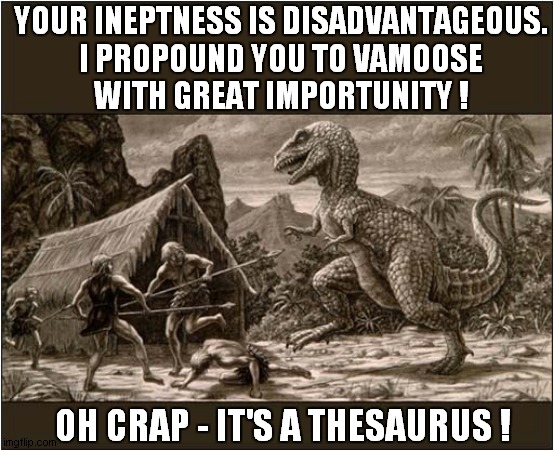
Unlike traditional thesauruses that rely on classical synonyms curated by academic lexicographers, an urban thesaurus is fundamentally crowdsourced and context-driven. It indexes language as it is actually used on the street and across the internet, capturing informal nuances, tonal shifts, and generational slang.
Standard dictionaries operate on historical precedent, often waiting years or decades before admitting a term like "selfie" or "doomscrolling." In contrast, urban thesauri map semantic associations based on real-time internet searches, social media commentary, and viral interaction. When someone searches for a term like "cool," a modern urban thesaurus doesn't just offer "chilly" or "composed"; it yields "fire," "based," "clean," or "valid."
Urban Thesaurus: From Memes to Phrases in Action
Memes are frequently misunderstood as disposable images with text overlays. In linguistics, however, a meme functions as a replicable unit of cultural information. When an image or short video clip resonates widely, the humor often crystallizes into an adaptable phrase that outlives the visual format.
Several modern idioms illustrate this exact trajectory from visual meme to fixed verbal phrase:
- "Living Rent-Free": What originated as sports banter and visual reaction memes depicting someone obsessing over an opponent has become a standard idiom. Today, saying an annoying memory or individual is "living rent-free in your head" conveys chronic fixation with zero cost or effort required by the other party.
- "Touch Grass": Originating in competitive gaming communities to mock players spending unhealthy hours online, this phrase paired with pictures of lawns quickly became an iconic visual meme. It is now a universally recognized shorthand urging someone to disconnect from internet drama and return to physical reality.
- "Main Character Energy": Born from satirical TikTok videos mocking people who romanticize mundane public behaviors, the term transformed into a legitimate psychological shorthand. It now describes either charismatic self-confidence or insufferable, self-absorbed social behavior, depending on the speaker's tone.
- "It's Giving...": Emergent from drag and Ballroom culture, popularized on Twitter through reaction images, this syntactic frame now operates as an instant modifier. It allows speakers to evaluate an aesthetic, outfit, or mood concisely without requiring a full sentence (e.g., "It's giving retro").
The Four-Stage Lifecycle of Internet Slang
Understanding how a digital punchline enters our collective vocabulary requires examining its typical lifecycle. Most viral terms move through four distinct phases before becoming established entries in the cultural lexicon.
1. Subcultural Genesis
Rarely does slang generate spontaneously out of thin air. The vast majority of modern digital phrases originate in distinct, tightly knit subcultures. Historically, significant portions of American internet slang stem from African American Vernacular English (AAVE), LGBTQ+ ballroom circuits, or specialized online gaming communities. Within these spaces, phrases develop organically to serve specific communicative and community-building needs.
2. Memetic Amplification
Video: FUNNIEST URBAN DICTIONARY TERMS

Once a term surfaces on high-velocity platforms like TikTok, X (formerly Twitter), or Reddit, it catches algorithmic tailwinds. Content creators duplicate the audio, reformat the punchline, and apply the concept to relatable scenarios. At this point, the term ceases to be insular and becomes a shared visual and textual meme.
3. Semantic Bleaching
As a meme spreads to broader audiences, it often undergoes what linguists call "semantic bleaching." This process occurs when a phrase loses its original, hyper-specific meaning and broadens into general emotional shorthand. For instance, the term "gaslighting" shifted from a specific clinical definition of psychological abuse to a catch-all meme phrase meaning "disagreeing" or "lying."
4. Codification and Mainstream Utility
Finally, the phrase breaks free from its initial visual meme entirely. People use it in face-to-face conversations, boardroom presentations, news headlines, and casual text messages without needing to reference the visual asset that spawned it. It becomes logged into crowdsourced lexicographical databases, finalizing its transition from transient joke to functional idiom.
Why Traditional Lexicography Struggles to Keep Up
Traditional dictionaries prioritize permanence and universal consensus. The committee-based review process requires printed evidence of sustained usage across varied media over extended periods. While this rigor preserves standard English, it fundamentally misinterprets the speed of internet communication.
An urban thesaurus fills this gap by utilizing algorithmic associations and community voting mechanisms. It recognizes that in modern communication:
- Nuance is tonal: Punctuation, capitalization, and delivery (such as alternating uppercase letters for mockery) alter meaning instantly.
- Irony is fluid: Words often begin as ironic parodies before drifting into unironic, sincere usage.
- Longevity varies: Some phrases define an entire generation's lexicon, while others burn out within six months. Both deserve real-time documentation.
Navigating Modern Slang Responsibly
While adopting new phrases can keep your communication fresh, contextual awareness is crucial. Using internet idioms effectively requires understanding their origins and maintaining appropriate registers.
Borrowing slang without knowing its cultural background—particularly when lifting terms originating in minority communities—can lead to tone-deaf communication. Furthermore, when corporate marketing departments rush to use slang terms that are already entering the semantic bleaching phase, it frequently results in forced, inauthentic messaging that alienates the intended audience.
The ultimate value of studying the language of memes through an urban thesaurus is not merely keeping up with youth culture. It is gaining insight into how human beings find creative, efficient, and humorous ways to explain complex emotional realities in an increasingly interconnected world.