Urbanna VA History and Culture: A Coastal Guide
Tucked into a protected harbor on the Rappahannock River, the small town of Urbanna, Virginia, punches far above its weight in heritage and charm. Exploring Urbanna VA history and culture reveals a coastal timeline that spans more than three centuries—from early colonial shipping and trade under the British Crown to a modern identity defined by working watermen, oyster farming, and vibrant community celebrations. Today, with fewer than 500 permanent residents, this Middlesex County enclave remains one of the best-preserved historic harbor towns in the Mid-Atlantic.

From Colonial Tobacco Port to Revolutionary Hub
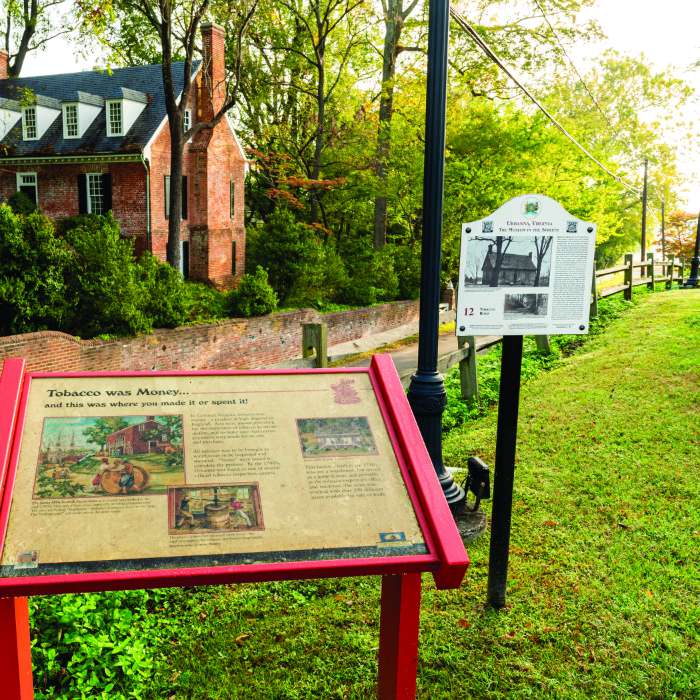
Urbanna was formally established in 1680 when the Virginia General Assembly passed the Act for Cohabitation. This legislation created 20 designated port towns across the colony to centralize customs collection, regulate the lucrative tobacco trade, and encourage urban settlement. Originally laid out on 50 acres of land purchased from Ralph Wormeley of nearby Rosegill Plantation, the settlement was initially called "the town at Wormeley's Creek."
In 1705, the town received its permanent name: Urbanna, an amalgamation of the Latin word urbs (city) and "Anne," in honor of Queen Anne of Great Britain. For decades, it operated as a bustling port of entry. Massive merchant ships anchored in Urbanna Harbor to load heavy hogsheads of dried tobacco bound for Europe, returning with manufactured goods, spices, wine, and fine cloth.
During the American Revolution, Urbanna's strategic location made it both a center of diplomacy and a target of British naval raids. Arthur Lee, a prominent colonial diplomat who secured French support alongside Benjamin Franklin, made Urbanna his home late in life. British forces raided the harbor in 1781, looting storehouses and skirmishing with local militiamen—a testament to the town's importance to the Chesapeake logistics network.
Surviving Colonial Architecture and Historic Landmarks
Unlike many historic ports that fell to modern industrial expansion or devastating fires, Urbanna has preserved an exceptional number of 18th-century structures within walking distance of its shoreline.
- The Old Middlesex County Courthouse (1748): Served as the county's center of governance from 1748 until 1852. It is one of only eleven surviving colonial courthouse buildings in Virginia and now houses municipal offices and community events.
- The Scottish Merchant Facility / James Mills Storehouse (c. 1760s): Known locally as the Mitchell-Maple building, this brick structure was operated by Scottish merchant factor James Mills. It stands as one of the rarest surviving examples of a colonial mercantile building in the United States.
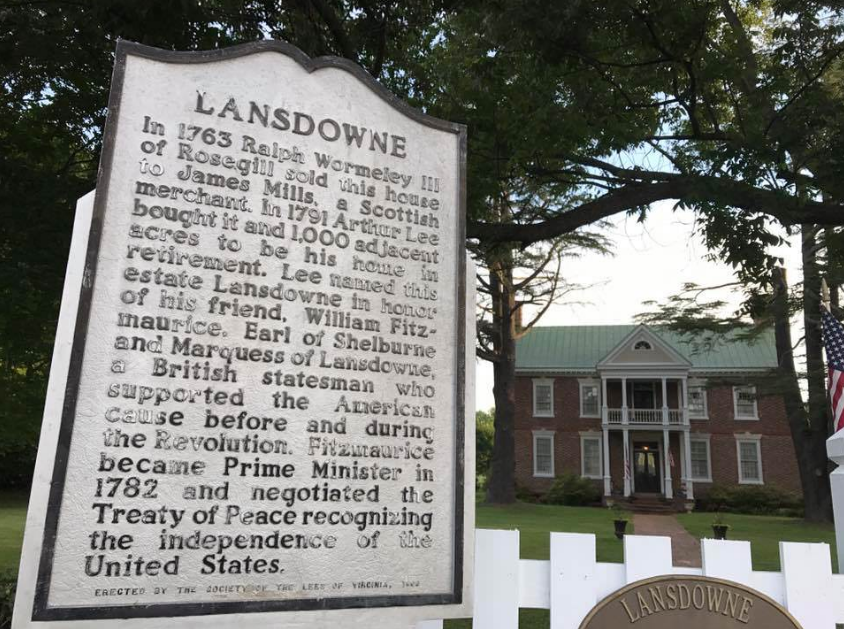
- Lansdowne (c. 1740): A Georgian-style manor home once owned by diplomat Arthur Lee, who is buried on the property. The house survived multiple naval conflicts along the river.
- The Wormeley Cottage: Believed to date back to the early 18th century, this home served varied roles, from a colonial dwelling to housing town customs officials.
The Heart of Urbanna VA History and Culture: Maritime Life
While tobacco drove Urbanna's early growth, the Rappahannock River and the greater Chesapeake Bay defined its enduring soul. As soil depletion reduced tobacco production across the Tidewater region in the early 19th century, townspeople turned their attention directly to the water.
Video: Tour of historic URBANNA, VIRGINIA
Generations of watermen launched traditional wooden deadrise workboats from Urbanna Creek before sunrise, harvesting blue crabs, striped bass (rockfish), and Eastern oysters (Crassostrea virginica). The town became a regional center for seafood packing houses, boatbuilders, and sailmakers.
The relationship between the town and the water is not merely economic; it shapes local language, cuisine, and seasonal life. Today, while wild harvesting continues, modern aquaculture and conservation oyster farms dot the surrounding creeks. Visitors can still sit at the town marina and watch working watermen unload bushels of fresh catch just as their great-grandfathers did.
The Urbanna Oyster Festival: A Living Tradition
No discussion of Urbanna's culture is complete without its signature event. Begun in 1958 as "Urbanna Days" to stimulate the local economy, the gathering grew into the renowned Urbanna Oyster Festival. In 1988, the Virginia General Assembly designated Urbanna as the official "Oyster Capital of the Commonwealth."
Held on the first Friday and Saturday of November, the festival attracts upward of 50,000 visitors to a town with fewer than 500 residents. The festival is far more than a street fair—it is an active celebration of Chesapeake maritime tradition featuring:
- The Virginia State Oyster Shucking Championship: Professional and amateur shuckers compete in speed and skill, with winners regularly advancing to national and international competitions.
- Culinary Heritage: Oysters are served in every conceivable preparation, including raw on the half shell, wood-fired roasted, steamed, fried, and in rich stew.
- Working Watermen Exhibits: Marine educational displays teach visitors about bay ecology, seed oyster planting, and historic harvesting methods like hand-tonging.
- Parades and Pageantry: The Fireman's Parade and the Festival Grand Parade unite civic organizations from across coastal Virginia.
Modern Life in Historic Urbanna
Today, Urbanna balances historic preservation with relaxed, small-town coastal living. Recognized as a designated golf-cart community, residents and visitors regularly travel between the town marina, boutique shops, and locally owned seafood restaurants without relying on cars.
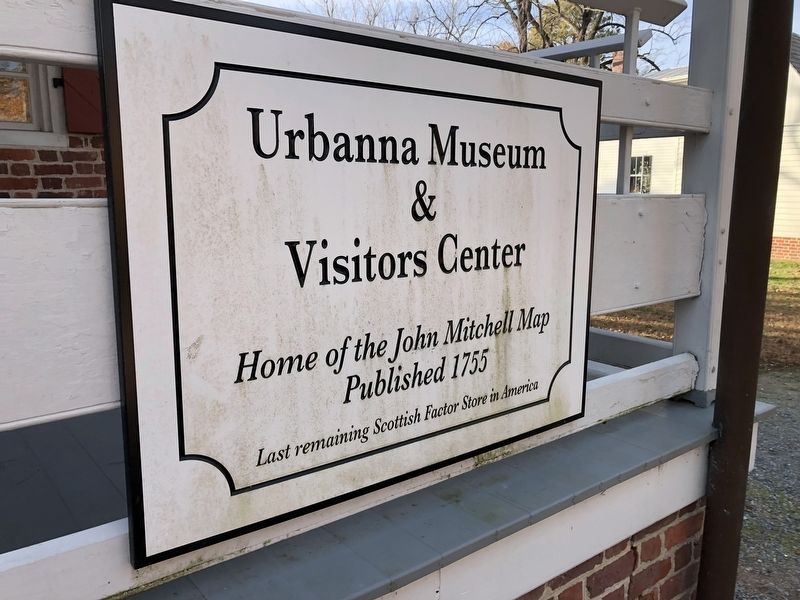
The Urbanna Museum and Visitors Center, housed in the historic Scottish Factor Store, provides exhibits and walking tour maps that guide guests through the town's historic district. Art galleries, small marinas, and seasonal sailing regattas round out a cultural calendar centered entirely on river life.
Whether you are tracing the steps of colonial merchants along Virginia's Tidewater or tasting fresh Rappahannock oysters straight from the water, Urbanna preserves an authentic, unhurried link to Virginia's maritime past.