UT Pollen Count Guide: Seasons & Allergy Relief
Understanding Utah's Unique Allergy Landscape

If you live in the Beehive State, you likely already know that seasonal allergies can be a severe test of endurance. From the snow-capped mountains to the sprawling desert valleys, Utah creates a distinct environment for plant growth. Monitoring the ut pollen count is essential for anyone who suffers from sneezing, congestion, and itchy eyes during the spring, summer, and fall months.
Utah's geography plays a major role in its pollen levels. Temperature inversions, dry desert air, and heavy winter snowpacks all contribute to explosive plant growth once the weather warms up. Because different regions—such as the Wasatch Front, Cache Valley, and St. George—have vastly different microclimates, allergy sufferers need localized strategies to stay ahead of their symptoms.
Breakdown of Utah's Pollen Seasons
Allergy season in Utah does not just happen during the spring. In fact, for many residents, symptoms can flare up nearly nine months out of the year. Understanding which plants release pollen and when can help you anticipate high-risk periods.
Spring: Tree Pollen Surge
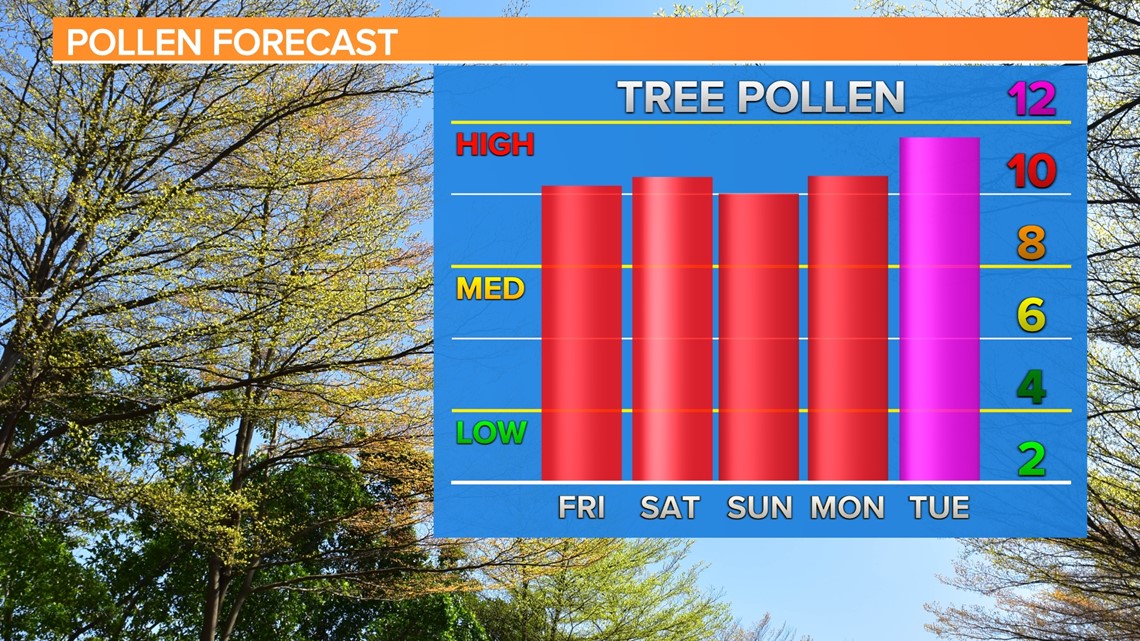
Spring is often the most brutal season for Utah allergy sufferers. As the snow melts, trees burst into bloom almost simultaneously. Common culprit trees in the state include:
- Box Elder: Highly prevalent along rivers and in urban neighborhoods.
- Juniper and Cedar: These evergreens release massive amounts of pollen early in the year, sometimes as early as February.
- Oak and Elm: Common shade trees that contribute heavily to airborne allergen counts.
- Maple and Birch: Found in residential areas across Salt Lake City and Provo.
Summer: Grass Pollen Dominance
As tree pollen begins to taper off in late spring, grass pollen takes over. Warm, dry summer days cause grasses to release pollen efficiently, especially in unmanaged fields, parks, and agricultural areas. Common grasses like Kentucky bluegrass, timothy, and orchard grass thrive in Utah's irrigated lawns and rural pastures, driving up localized pollen levels through July and August.
Late Summer and Fall: Weed Pollen and Sagebrush
Fall brings a final wave of allergens driven by weeds and native brush. Sagebrush, rabbitbrush, and Russian thistle release fine pollen grains that travel long distances on autumn winds. However, the undisputed king of late-season allergies is sagebrush, which dominates the foothills and valleys across the state.
How to Check the Accurate UT Pollen Count
Video: High pollen count has allergies acting up more than normal for some Utahns

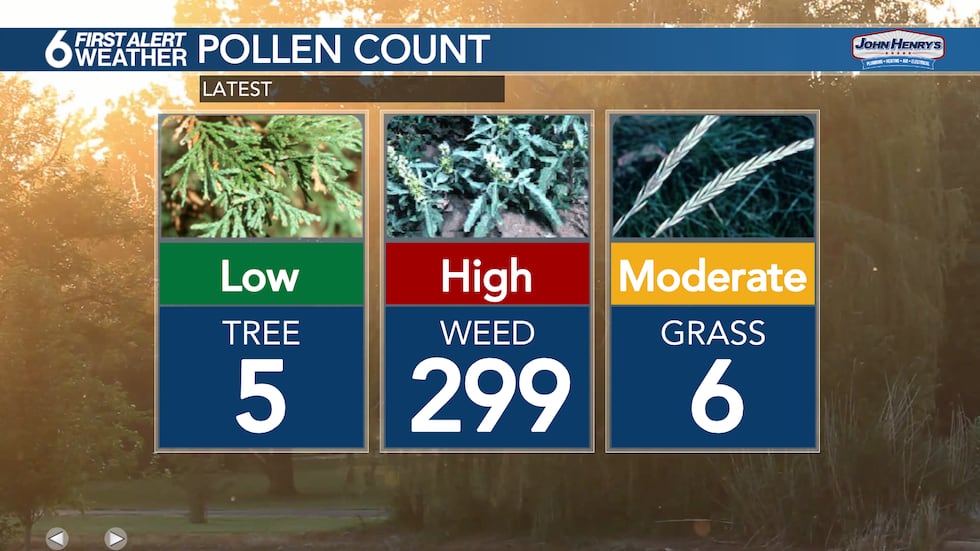
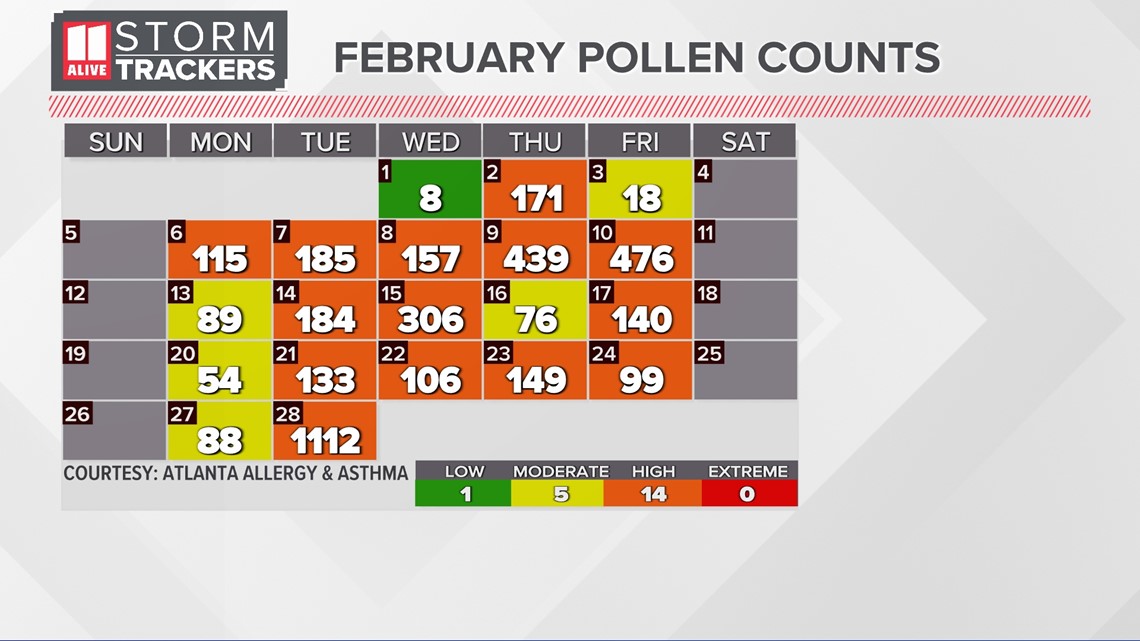
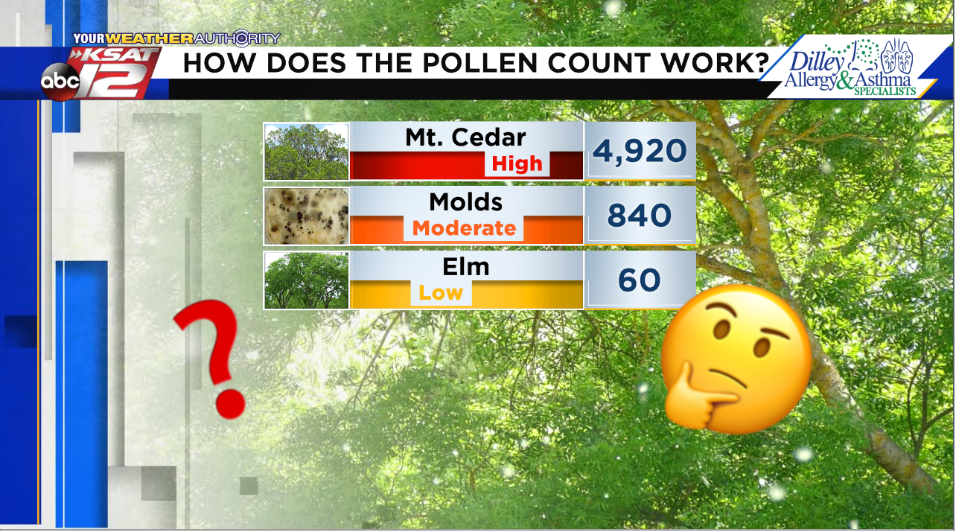
Relying solely on how your sinuses feel is an unreliable way to manage allergies. Instead, check daily forecasts provided by certified meteorologists and allergy tracking networks. Reliable resources for tracking local levels include:
- The National Allergy Bureau (NAB): Provides certified daily counts based on actual air sample collection and microscopic analysis.
- Weather Apps and Websites: Platforms like Weather.com and AccuWeather offer localized daily ratings ranging from low to very high.
- Local Pulmonology and Allergy Clinics: Many regional medical centers publish their own localized tracking data tailored to Utah residents.
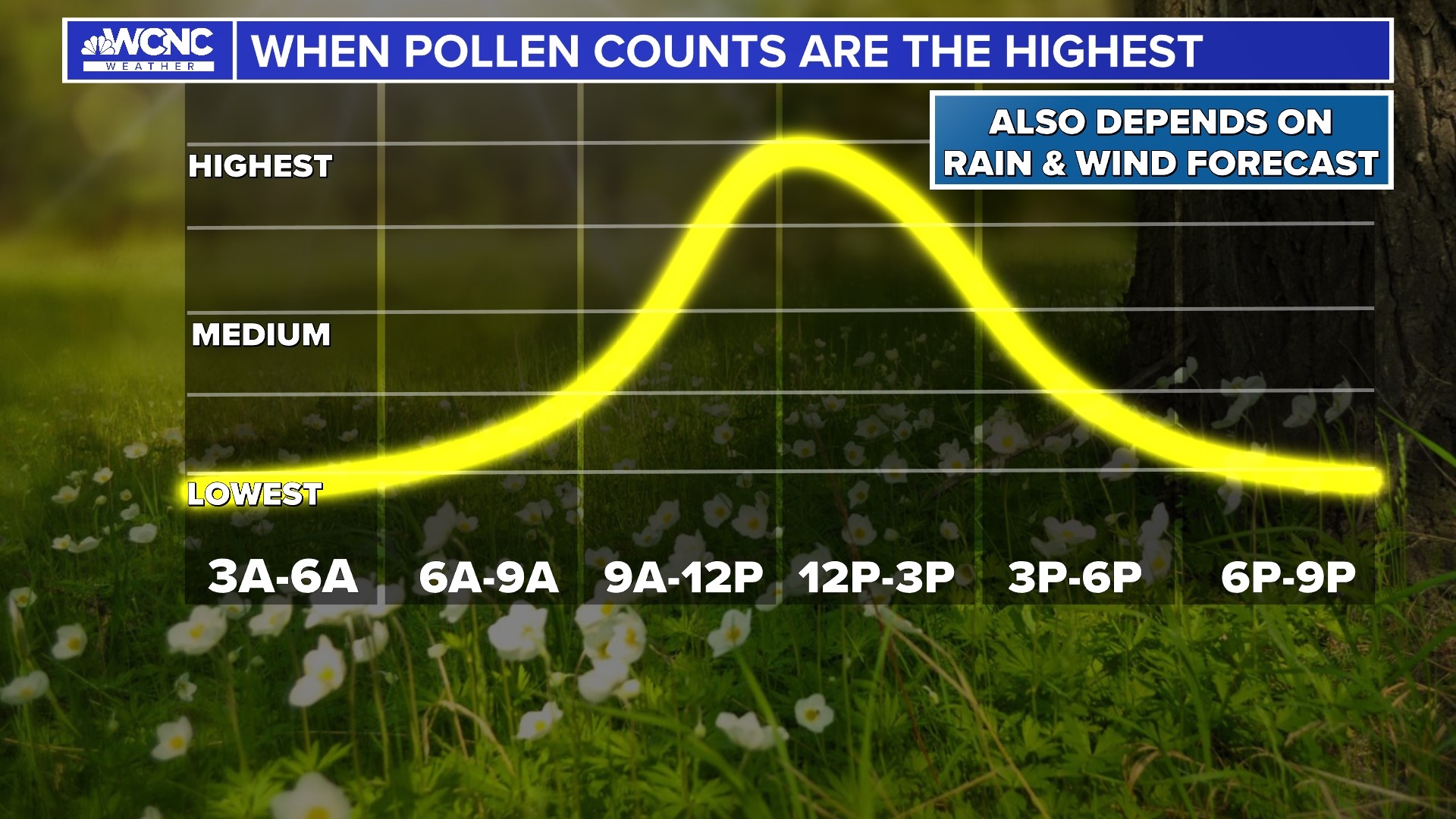
When reading these forecasts, pay attention to weather variables. Warm, windy, and dry days typically produce the highest pollen counts, while rain temporarily washes pollen out of the air, offering a brief window of relief.
Proven Strategies for Managing Allergy Symptoms
Checking the daily forecast is only the first step. To truly minimize the impact of high pollen levels, you need a proactive daily routine. Implement these practical tips to reduce your exposure:
Modify Your Outdoor Habits
You do not have to stay indoors all spring, but timing matters. Pollen counts generally peak in the morning and early afternoon. If you enjoy hiking, running, or working in the yard, try to schedule outdoor activities in the late evening or shortly after a rainstorm.
Create a Clean Indoor Environment
Keep your home a sanctuary by preventing outdoor allergens from tracking inside. Keep windows closed during peak season, and run your home air conditioning with high-efficiency particulate air (HEPA) filters. After spending time outdoors, take a quick shower and change your clothes to wash away trapped pollen grains.
Medical Interventions and Over-the-Counter Relief
If lifestyle modifications are not enough, consult a healthcare professional or allergist. Over-the-counter antihistamines, nasal steroid sprays, and saline rinses can significantly reduce inflammation. For severe symptoms, allergy shots (immunotherapy) or sublingual tablets offer long-term relief by desensitizing your immune system to specific local triggers.
Final Thoughts
Navigating Utah's vibrant natural landscape does not mean you have to suffer through endless congestion and watery eyes. By keeping a close eye on daily forecasts, understanding regional plant cycles, and maintaining a consistent management plan, you can enjoy everything the state has to offer while keeping your seasonal allergies firmly under control.