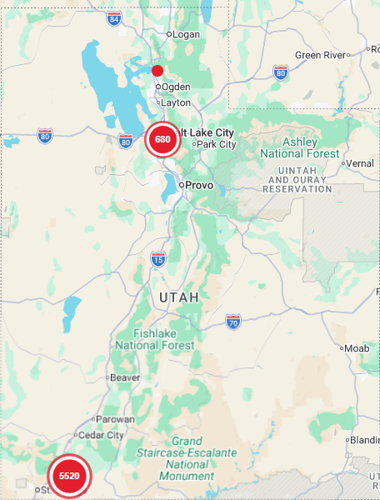
Utah Power Outage Map Guide: Track Live Updates
Understanding the Utah Power Outage Map: Is Your Neighborhood Next? (See Live Updates)

When the lights suddenly flicker and die, the first thing most residents want to know is simple: when is it coming back? Whether caused by heavy winter snowstorms rolling off the Wasatch Range, high summer winds, or unexpected equipment failure, blackouts are disruptive. Fortunately, tracking utility disruptions has never been easier thanks to the interactive Utah power outage map tools provided by major local utility providers.
Knowing how to read these real-time tools, report an outage quickly, and prepare your household for sudden grid failures ensures you stay safe and informed when the unexpected happens.
Major Utility Providers in Utah
Before checking for outages, it helps to know which utility company services your specific address. Utah's power grid is managed by a few primary entities:
- Rocky Mountain Power: Serves the vast majority of populated areas in Utah, including the Wasatch Front (Salt Lake City, Provo, Ogden), parts of southeastern Idaho, and Wyoming.
- Municipal Power Utilities: Cities like Provo, Logan, Murray, and St. George operate their own city-owned electric utilities independent of Rocky Mountain Power.
- Rural Electric Cooperatives: Organizations like Garkane Energy, Moon Lake Electric, and Dixie Power supply electricity to rural and less-populated counties.
Each of these providers maintains its own tracking systems, so you will need to consult the specific portal designated for your service area.
How to Read Live Outage Maps
Navigating an online outage tracker can tell you a lot about the scale and duration of an electrical failure. When you pull up a standard utility map, you will typically see several key data points:
- Color-Coded Icons: Different symbols or colored dots indicate the size of the affected area, ranging from single-home service drops to widespread substations.
- Customer Count: Clicking on a specific cluster usually reveals the exact number of customers currently without power.
- Estimated Time of Restoration (ETR): Crews assess the damage and post an estimated time when power should return. Keep in mind that ETRs can change as technicians encounter deeper infrastructure issues.
- Crew Status: Many maps indicate whether a repair crew has been dispatched, is on-site, or has completed repairs.
If you notice frequent flickers in your area ahead of a storm, checking these portals early can give you a window to secure sensitive electronics before the grid completely trips.
Reporting an Outage in Your Neighborhood
If your home goes dark but does not immediately show up on the provider's tracking dashboard, your neighborhood outage might not be logged yet. Utilities rely heavily on customer reports to pinpoint localized blown fuses or downed lines.
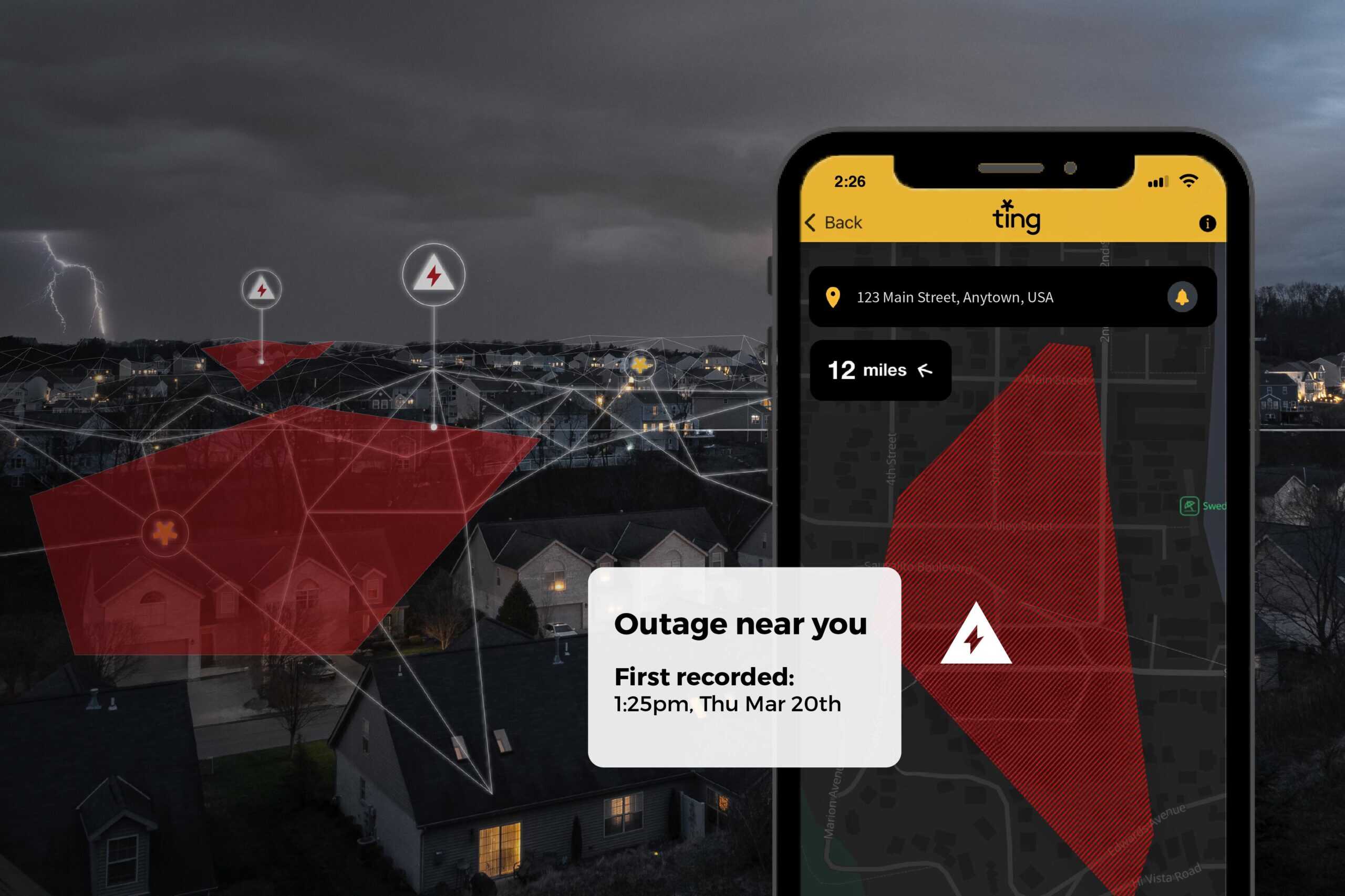
To report an outage efficiently:
- Check Your Breaker Panel: Ensure the issue isn't isolated to your home by checking your main circuit breakers.
- Check Nearby Homes: Look outside to see if your neighbors' lights are also out. This helps you determine if the problem is neighborhood-wide.
- Use Online Portals: Logging into your utility account and clicking 'Report Outage' ties the complaint directly to your meter number.
- Call the Emergency Line: If you see a downed power line sparking or blocking a roadway, call 911 immediately, followed by your utility provider's emergency outage hotline. Never approach or touch a fallen wire.
Preparing Your Home for Utah's Extreme Weather
Utah's geography brings extreme weather swings, from heavy winter blizzards to dry, windy summer thunderstorms that threaten power lines. Being prepared minimizes the stress of unexpected outages.
Essential Emergency Kit Items
Keep a dedicated emergency kit in an easily accessible location. It should include:
- Non-perishable food items and a manual can opener.
- At least one gallon of clean water per person per day for a minimum of three days.
- Flashlights and fresh batteries (avoid relying solely on smartphone flashlights, which drain your battery).
- A battery-powered or hand-crank NOAA weather radio.
- A fully charged portable power bank for mobile devices.
Protecting Your Electronics
Power surges often accompany outages and sudden restorations. Plug sensitive electronics—such as desktop computers, televisions, and gaming consoles—into high-quality surge protectors. If a major storm is approaching, unplugging valuable appliances altogether is the safest preventative measure.
Staying Informed on the Go
When the power goes out, your home Wi-Fi usually goes down with it. Make sure you can access live tracking maps on your mobile device by bookmarking your utility's mobile-friendly outage page. Many providers also offer text-alert subscriptions, allowing you to text 'OUT' to a designated shortcode or receive automated SMS updates regarding restoration progress in your specific zip code.
By staying familiar with local utility resources and maintaining a solid emergency preparedness plan, you can weather any Utah blackout with confidence and ease.