Utah USA Time Zone: Current Time & DST Guide
Whether you are scheduling a business call with a company in Salt Lake City, catching a flight at Salt Lake City International Airport (SLC), or embarking on a road trip through the iconic "Mighty 5" national parks, understanding the utah usa time zone is essential. Timing mistakes can easily disrupt travel itineraries, tour reservations, and cross-country meetings.

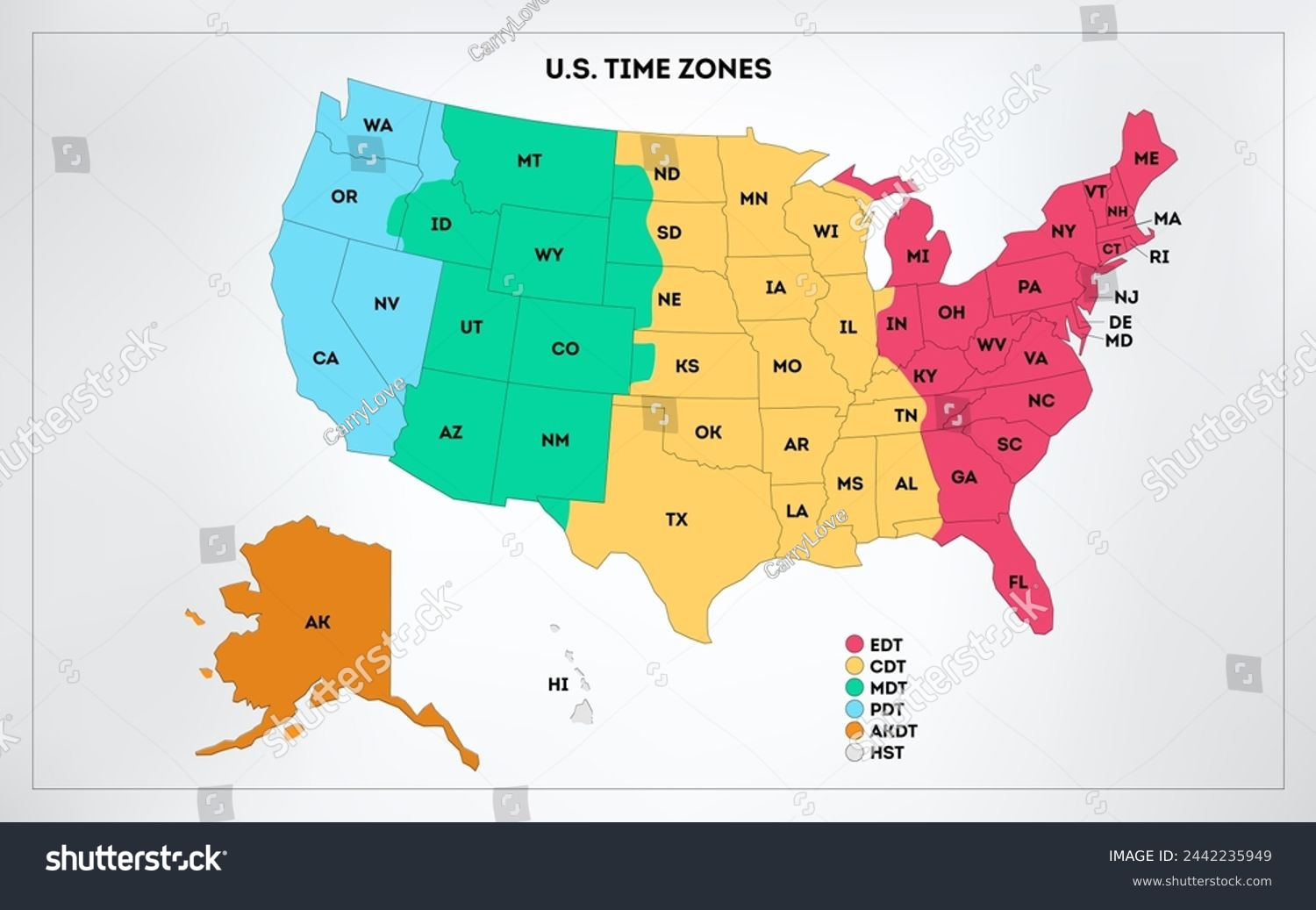
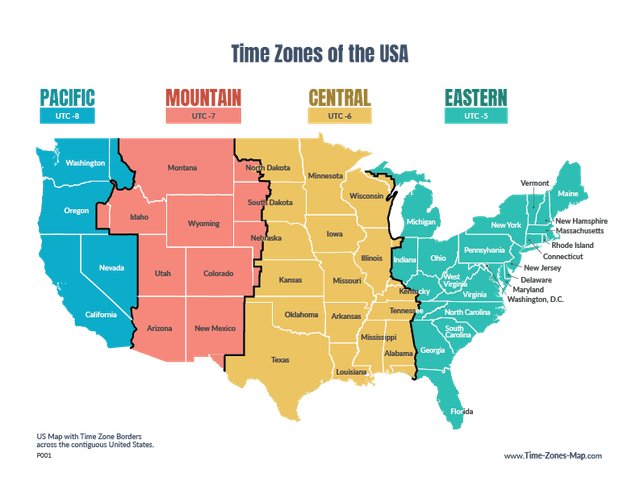
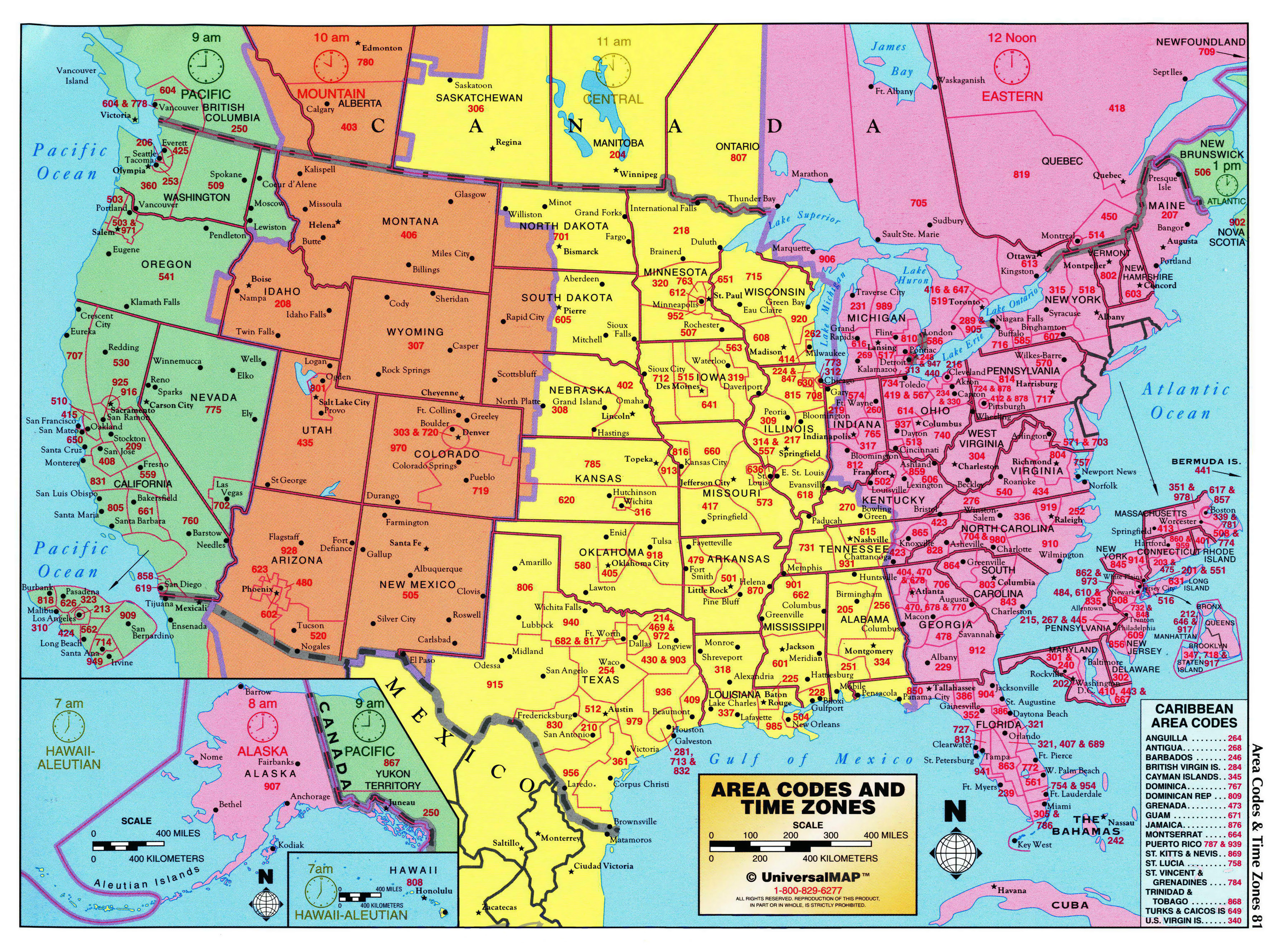
Utah is located in the Mountain Time Zone of the United States. Throughout the year, the state shifts between Mountain Standard Time (MST) and Mountain Daylight Time (MDT) to observe Daylight Saving Time (DST). Here is everything you need to know about how time works across the Beehive State, including seasonal shifts, regional border quirks, and practical scheduling advice.
Understanding the Utah USA Time Zone: MST vs. MDT
Utah operates strictly within the Mountain Time Zone, which covers a broad vertical swath of North America. However, the precise offset from Coordinated Universal Time (UTC) changes twice a year based on whether Daylight Saving Time is active.
- Mountain Standard Time (MST): Active from early November to early March. During this period, Utah is at UTC-7.
- Mountain Daylight Time (MDT): Active from early March to early November. During this window, clocks advance by one hour, putting Utah at UTC-6.
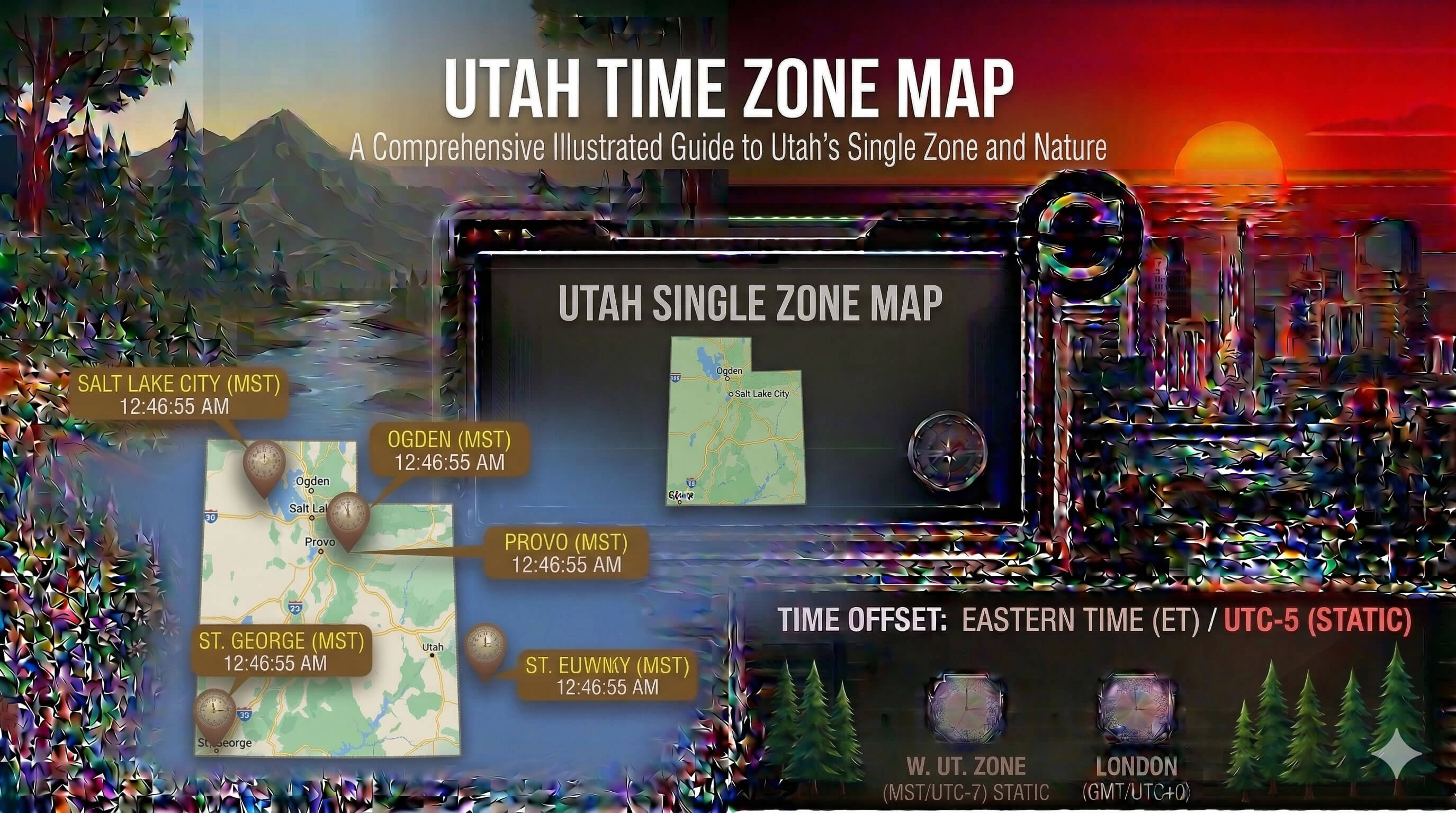
Because the entire state of Utah follows the same time rules uniformly, you do not need to worry about county-by-county time zone lines inside the state borders. From Logan in the north to St. George in the south, local clocks always show the exact same minute and hour.
Daylight Saving Time in Utah: Schedule and Clock Changes
Like most US states, Utah observes Daylight Saving Time in accordance with federal law under the Uniform Time Act. Unless state or federal legislation changes the rule, residents and visitors adjust their clocks on a fixed schedule each year:
- Spring Forward: On the second Sunday in March at 2:00 AM local time, clocks move forward one hour to 3:00 AM (entering MDT). This transition causes the day to lose an hour, but it extends evening daylight for outdoor activities.
- Fall Back: On the first Sunday in November at 2:00 AM local time, clocks shift backward one hour to 1:00 AM (returning to MST). This transition restores standard time and provides an extra hour of sleep.
Most modern smartphones, laptops, and connected vehicle dashboards update automatically. However, mechanical watches and manual wall clocks must be adjusted by hand.
The Ongoing Debate Over Permanent Daylight Time
Utah lawmakers have repeatedly debated the pros and cons of seasonal clock shifts. The Utah State Legislature previously passed legislation to adopt year-round Daylight Saving Time, but such a change cannot take effect without approval from the US Congress, which currently permits states to opt out of DST (staying on standard time) but does not allow permanent daylight time without an amendment to federal law.
How Utah Time Compares to Other US Time Zones
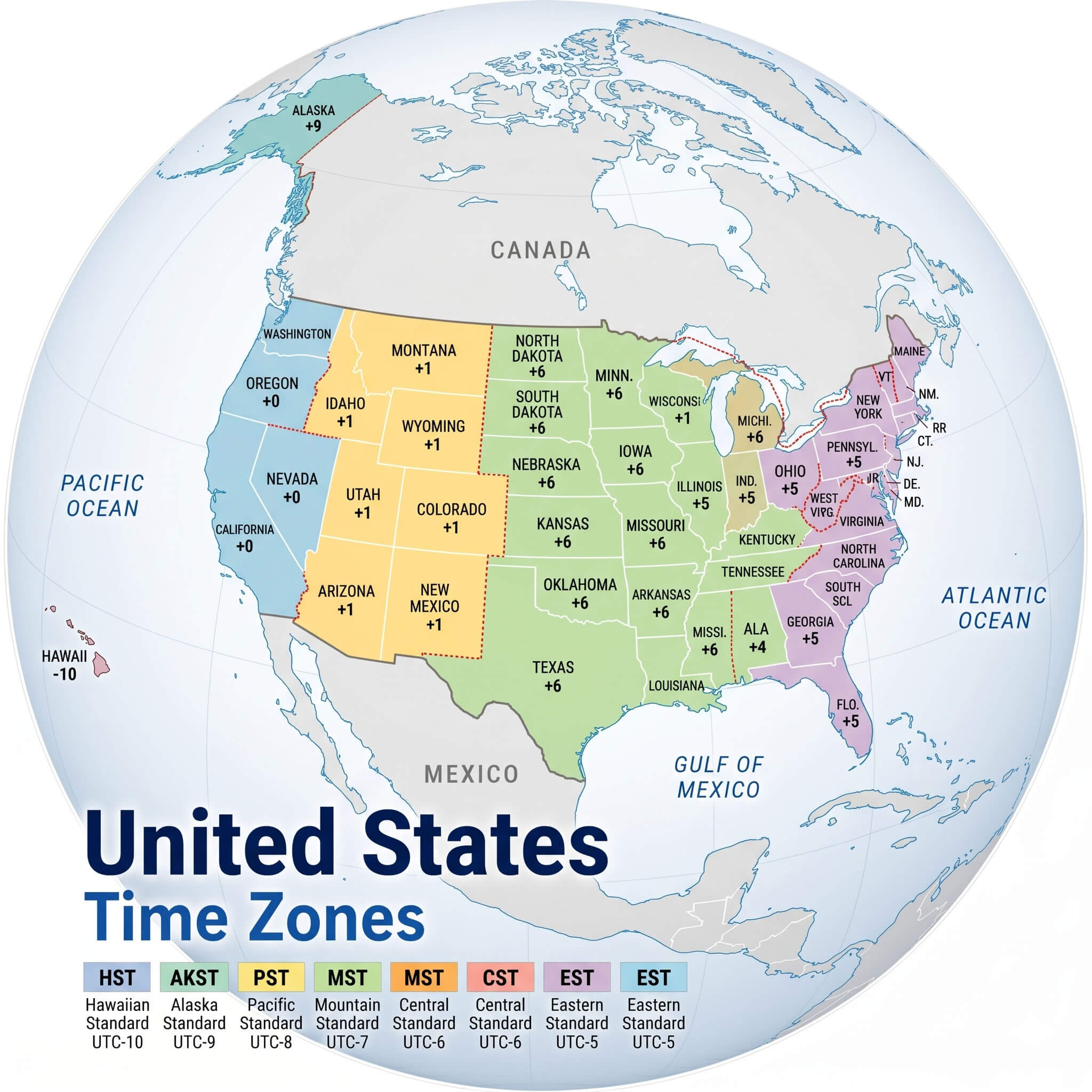
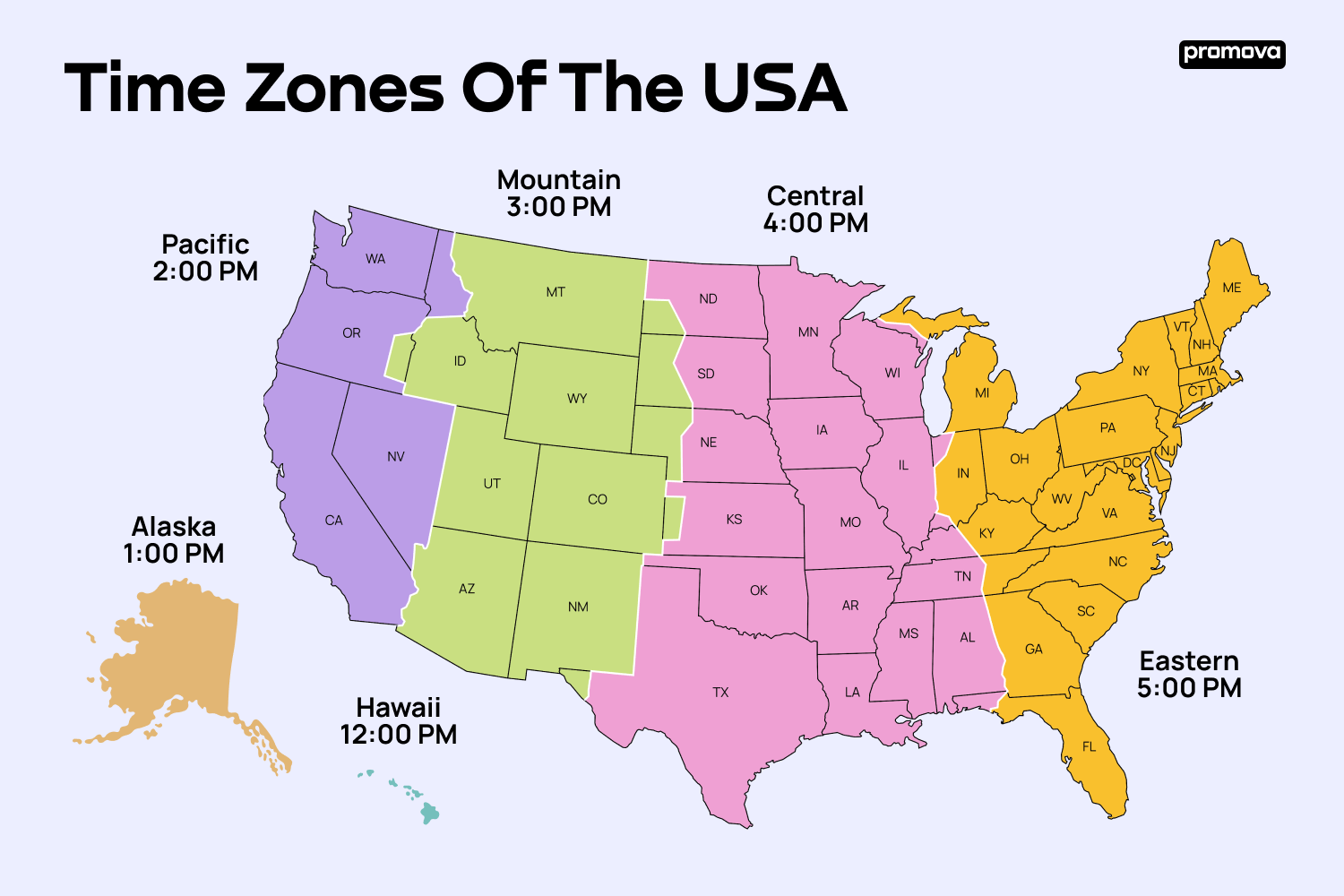
To help you coordinate communication across the country, here is how the time in Utah compares to the other primary time zones across the contiguous United States:
- Pacific Time (PT - Seattle, Los Angeles, Las Vegas): Pacific Time is 1 hour behind Utah. When it is 12:00 PM in Salt Lake City, it is 11:00 AM in Los Angeles.
- Central Time (CT - Chicago, Dallas, Minneapolis): Central Time is 1 hour ahead of Utah. When it is 12:00 PM in Salt Lake City, it is 1:00 PM in Chicago.
- Eastern Time (ET - New York, Miami, Atlanta): Eastern Time is 2 hours ahead of Utah. When it is 12:00 PM in Salt Lake City, it is 2:00 PM in New York.
- Alaska Time (AKT): Alaska is 2 hours behind Utah.
- Hawaii-Aleutian Time (HST): Hawaii does not observe DST and remains at UTC-10 year-round, putting it 3 hours behind Utah in the winter (MST) and 4 hours behind Utah in the summer (MDT).
The Arizona and Navajo Nation Border Complication
The most confusing aspect of the Utah time zone occurs along its southern border with Arizona. This is particularly relevant for tourists visiting Zion National Park, Monument Valley, Lake Powell, and the Grand Canyon in a single trip.
Arizona does not observe Daylight Saving Time and remains on Mountain Standard Time (UTC-7) all year. However, the Navajo Nation—which spans parts of northeastern Arizona, southeastern Utah, and northwestern New Mexico—does observe Daylight Saving Time to keep its tribal governance unified across state lines.
Here is what that means in practice between March and November:
- Utah: Observes MDT (UTC-6).
- Most of Arizona (e.g., Page, Phoenix, Grand Canyon South Rim): Remains on MST (UTC-7), which is effectively the same time as California and Nevada (Pacific Daylight Time).
- Navajo Nation (including Monument Valley Navajo Tribal Park): Observes MDT (UTC-6), matching Utah time.
- Hopi Reservation (surrounded by Navajo territory in Arizona): Does not observe DST, matching the rest of Arizona.
If you drive south from Kanab, Utah, into Page, Arizona, to visit Antelope Canyon during the summer, you gain an hour crossing the state line. If you then drive east into the Navajo Nation, you lose that hour again. Always verify the local time zone policy directly with tour operators when booking excursions in this border area.

Travel Tips for Managing Time in Utah
Visiting Utah requires a bit of foresight, especially if you have packed itinerary days scheduled around guided hikes, sunrise photography, and flight departures.
1. Beware of "Tower Hopping" on Cell Phones
When driving near the state borders—such as between St. George, Utah, and Mesquite, Nevada (Pacific Time), or near Lake Powell along the Arizona boundary—your smartphone may connect to a cell tower across the border. When this happens, your device's automatic time zone setting can spontaneously jump backward or forward an hour. To avoid missing reservations or flights, consider switching your phone's clock setting from "Set Automatically" to manual Mountain Time while staying in border towns.
2. Account for Daylight in National Parks
Summer in Utah brings long days, with sunsets often occurring after 9:00 PM in late June and July. This allows ample time for evening hikes in Bryce Canyon or Arches National Park. Conversely, winter brings early darkness, with the sun setting around 5:00 PM in December. Plan your trail navigation and pack headlamps accordingly if visiting during the late autumn or winter months.
3. Aligning with Silicon Slopes Business Hours
Utah's burgeoning tech sector—frequently called the "Silicon Slopes" and centered around Lehi, Provo, and Salt Lake City—regularly interfaces with clients on both coasts. Operating on Mountain Time gives local businesses a convenient two-hour overlap with both the opening bell of the New York financial markets and the late afternoon close of West Coast tech firms.
Frequently Asked Questions
Does all of Utah use the same time zone?
Yes. The entire state of Utah uses Mountain Time. There are no county splits or local jurisdictional exemptions within Utah's official borders.
What UTC offset is Utah?
Utah is UTC-7 during Mountain Standard Time (November through March) and UTC-6 during Mountain Daylight Time (March through November).
Is Salt Lake City in the same time zone as Denver?
Yes. Both Salt Lake City, Utah, and Denver, Colorado, operate on Mountain Time and observe Daylight Saving Time on identical schedules.
Why does my clock change when I drive into Arizona from Utah?
During spring and summer, Utah observes Daylight Saving Time while most of Arizona does not. Crossing from Utah into non-tribal parts of Arizona between March and November will cause your clock to move back one hour.