Valve’s Billionaire-Worthy Net Worth Explained
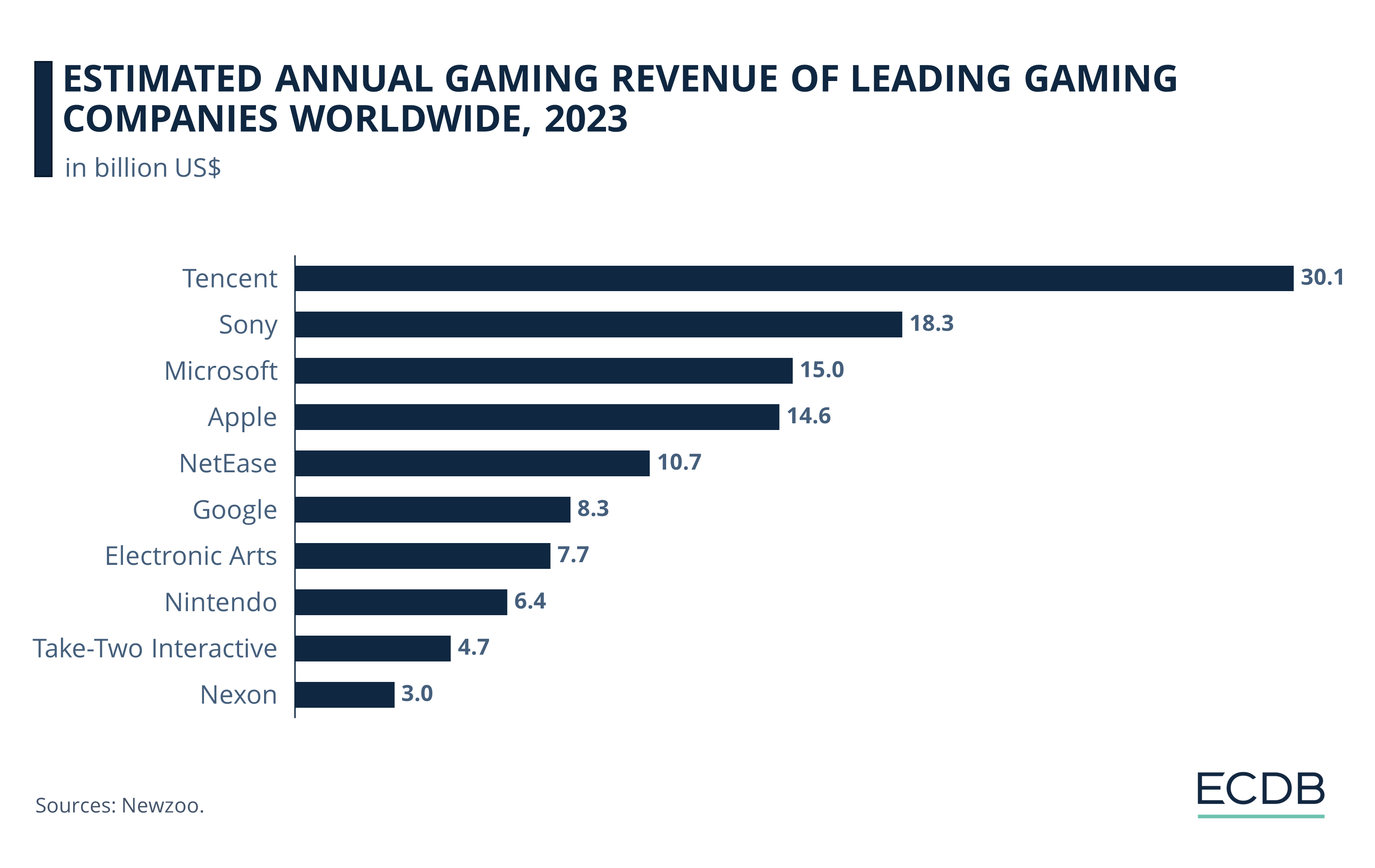
When industry analysts dissect the financial titans of interactive entertainment, one question routinely dominates boardroom discussions: Valve’s billionaire-worthy net worth: what makes a video game company so valuable? Unlike publicly traded conglomerates such as Electronic Arts, Take-Two Interactive, or Ubisoft, Valve Corporation does not publish audited quarterly reports, hold earnings calls, or answer to activist investors. Yet, conservative market estimates peg Valve’s valuation anywhere between $8 billion and over $15 billion, with co-founder Gabe Newell commanding a multi-billion-dollar personal fortune.

Understanding Valve’s immense enterprise value requires looking beyond traditional game development. Valve is not merely a studio that produces entertainment; it is an infrastructure provider, a digital tollbooth, a virtual marketplace, and an operational anomaly that boasts some of the highest revenue-per-employee ratios in global business history.
The Financial Mystique of Valve Corporation
Founded in 1996 by former Microsoft veterans Gabe Newell and Mike Harrington, Valve initially operated as a high-tier developer, creating genre-defining hits such as Half-Life, Portal, and Left 4 Dead. However, the company made a strategic pivot in the early 2000s that transformed it from a creative studio into an unprecedented economic juggernaut.
Because Valve is privately held, exact balance sheets remain guarded. However, court filings from third-party antitrust litigation and developer revenue disclosures have shed light on the company's financial mechanics. Valve regularly captures billions in annual gross revenue while maintaining minimal capital expenditures, zero debt, and an exceptionally lean workforce.
Valve’s Billionaire-Worthy Net Worth: What Makes a Video Game Company So Valuable?
Several distinct structural pillars explain why Valve commands a valuation comparable to massive multinational media companies. Rather than relying on unpredictable hit-driven release cycles, Valve built an interconnected ecosystem designed for compound, recurring monetization.
1. Steam: The Digital Tollbooth of PC Gaming
Launched in 2003 as a distribution mechanism for Valve’s own game updates, Steam evolved into the undisputed digital storefront for PC gaming worldwide. Industry estimates indicate that Steam controls roughly 75% of the global digital PC game distribution market.
For every third-party game sold through its platform, Valve historically collects a standard 30% platform cut (which scales down to 25% and 20% for titles generating tens of millions of dollars). Valve provides developers with matchmaking servers, anti-cheat software, cloud saves, forum hosting, and instant access to a monthly active user base exceeding 130 million players.
Because digital distribution scales with negligible marginal costs—downloading one additional game client costs Valve pennies in bandwidth—Steam operates with astonishingly high gross margins that software publishers can rarely match.
2. The Live-Service Virtual Economy
While Steam drives platform profits, Valve’s first-party titles function as perpetual cash-flow engines. Games like Counter-Strike 2 (previously CS:GO), Dota 2, and Team Fortress 2 pioneered modern microtransactions, esports integration, and cosmetic economies.
- In-Game Microtransactions: Players purchase virtual keys, battle passes, and cases, generating hundreds of millions of dollars in direct annual revenue.
- The Steam Community Market Fee: When players trade weapon skins, collectibles, and virtual cards, Valve charges a 5% transaction fee alongside a 10% game-specific fee. In essence, Valve collects a recurring financial tax on a digital secondary market worth billions of dollars.
3. Astronomical Revenue Per Employee
Perhaps the most startling aspect of Valve’s balance sheet is its head count. Unsealed documents revealed that Valve operates with approximately 350 to 400 employees across all departments, including Steam engineering, hardware development, customer support, and game design.
Dividing estimated annual net revenues of $3 billion to $4 billion by a 360-person workforce yields a revenue-per-employee figure exceeding $8 million. By comparison, corporate heavyweights like Apple, Google (Alphabet), and Meta typically generate between $1.5 million and $2.5 million per employee. Valve’s flat organizational structure minimizes managerial bloat, human resources overhead, and administrative inertia, channeling profits straight to the bottom line.
4. Hardware Integration and Hardware Hegemony
Rather than resting on digital royalties, Valve successfully expanded into consumer hardware, mitigating the risk of platform dependency:
- Valve Index: Established the high-end standard for consumer virtual reality, securing hardware revenue and expanding SteamVR adoption.
- Steam Deck: Launched in 2022, this handheld gaming PC created an entirely new hardware category. More importantly, it acts as a defensive moat, protecting PC gamers from migration to closed mobile or console ecosystems while keeping them firmly tethered to the Steam storefront.
The Strategic Advantage of Remaining Private
Publicly traded companies are trapped in ninety-day performance cycles. To satisfy Wall Street projections, publishers frequently introduce predatory monetization schemes, rush unfinished games to retail, or lay off thousands of staff during cyclical industry contractions.
Valve avoids all of these traps by remaining entirely private. Gabe Newell retains controlling ownership, enabling the company to operate with profound strategic patience. Valve can invest seven years into developing a virtual reality flagship like Half-Life: Alyx, spend years iterating on hardware prototypes, or abandon unprofitable initiatives without fear of investor lawsuits or plummeting share prices.
This insulation fosters developer loyalty, consumer trust, and brand prestige that money alone cannot buy. When Steam introduces consumer-friendly policies—such as its automated two-hour refund system—it builds long-term platform lock-in that dwarfs short-term revenue optimization.
Challenges and Competitors on the Horizon
Despite its formidable valuation, Valve faces evolving market headwinds that could challenge its long-term market dominance:
- Platform Competition: Epic Games continues to spend hundreds of millions securing exclusives and offering developers an 88/12 revenue split to break Steam's grip on the PC gaming market.
- Subscription Models: Services like Microsoft's PC Game Pass offer consumers access to expansive software catalogs for a flat monthly fee, challenging the traditional purchase-to-own store model.
- Regulatory Scrutiny: As European and American antitrust authorities scrutinize mobile application store commissions (like Apple's App Store and Google Play), Valve’s 30% platform take could face heightened legal and regulatory examination.
Key Takeaways for the Tech and Gaming Industries
Valve’s valuation is not an accident of the gaming boom; it is the masterclass product of digital platform economics. By transforming from a vendor into an irreplaceable marketplace, maintaining rigorous fiscal discipline, and keeping headcount exceptionally low, Valve built an economic moat that rivals the world’s most elite tech companies.
For entrepreneurs and investors, Valve offers a clear lesson: software development creates products, but building the digital infrastructure that other creators rely upon creates generational wealth.