Valve’s Net Worth Blueprint: Power in PC Gaming
When gamers think of industry giants, publicly traded behemoths like Sony, Microsoft, and Tencent usually come to mind. Yet, nestled quietly in Bellevue, Washington, is a private company that commands margins and influence rivaling entire console ecosystems. Valve Corporation does not answer to quarterly earnings calls or impatient shareholders. Instead, it operates on a private financial engine that has minted incredible wealth for its founders and employees alike.
Understanding how this company maintains such a tight grip on the digital PC market requires examining Valve’s net worth blueprint: why one company holds so much power! By combining a software monopoly with lean operations and hardware experimentation, Valve has created a masterclass in modern corporate leverage.
The Steam Engine: A Digital Monopoly
The foundation of Valve’s staggering financial success is Steam, launched in 2003. What began as a mandatory launcher for Counter-Strike updates evolved into the undisputed digital storefront for PC games worldwide. Steam commands roughly 75% or more of the PC game distribution market.
Unlike physical retailers or even competing digital platforms that struggle to turn a profit, Steam prints money through a remarkably simple mechanism: the digital cut. For years, Valve standardly took a 30% cut of every game sold on its platform. While tier systems now drop that percentage to 25% or 20% for blockbuster titles moving millions of copies, the baseline remains immensely profitable.
Low Overhead, High Margins
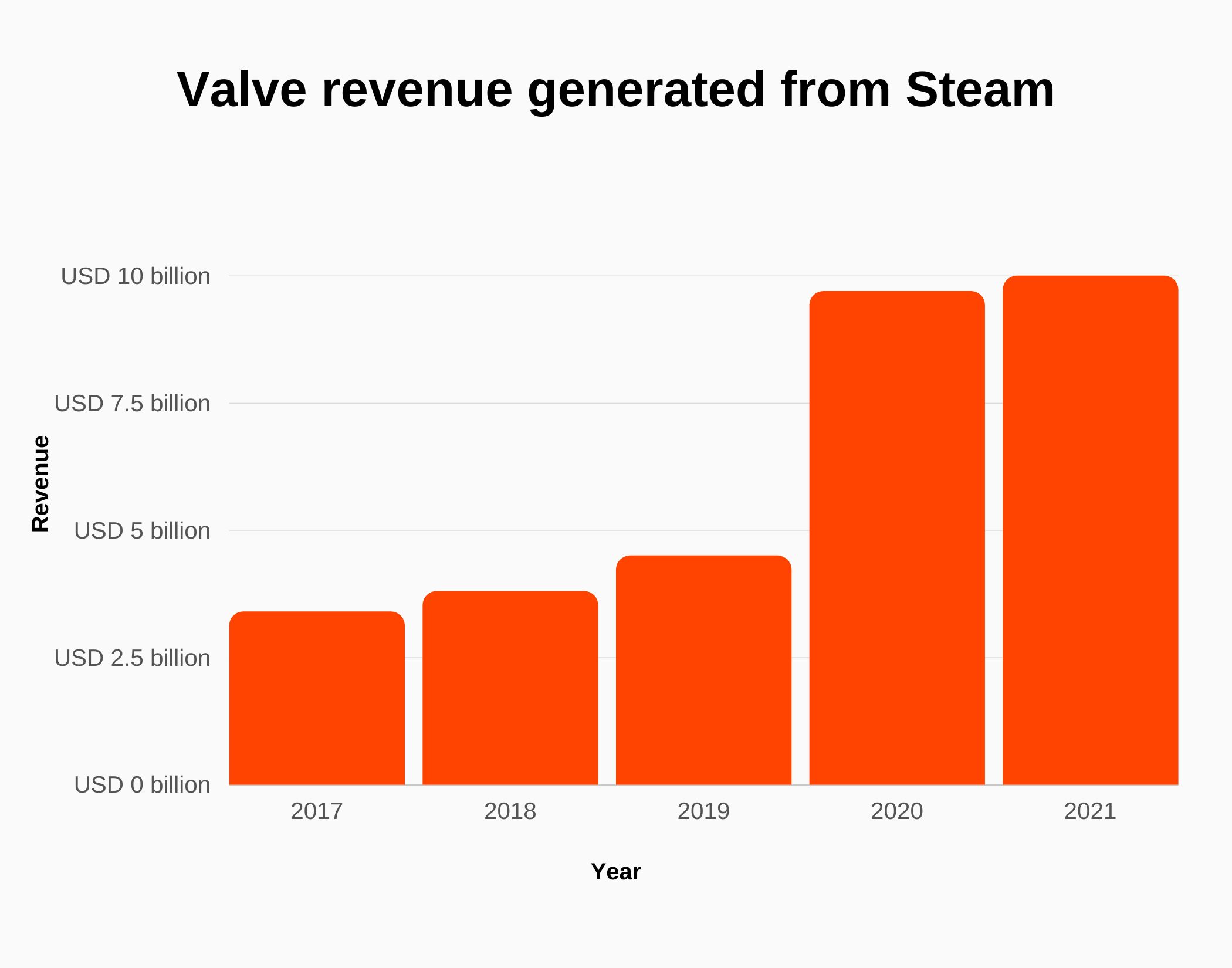
Running a digital storefront requires servers, bandwidth, and support staff, but the marginal cost of selling an additional digital copy of a video game is virtually zero. Because Valve operates privately, financial analysts rely on leaked documents—such as those surfaced during legal battles—to estimate its revenue. Estimates place annual revenues well into the billions, with profit margins that consistently make traditional corporations envious.
- Zero Manufacturing Costs: No physical discs, boxes, or retail shelf space to finance.
- Automated Infrastructure: Automated refunds, cloud saves, and community marketplaces run with minimal human intervention.
- The Community Market: Valve takes a cut of every virtual item traded in games like Counter-Strike 2 and Dota 2, creating a secondary economy that generates continuous passive income.
Hardware Diversification: Beyond Just Software
Many software giants stumble when they attempt to build physical hardware. Valve, however, used its financial clout to secure its ecosystem against external threats. When Microsoft pushed the Windows Store and closed ecosystems, Valve responded by investing heavily in Linux and hardware.
The Steam Deck is the pinnacle of this strategy. By selling the handheld device at aggressive, sometimes break-even price points, Valve did not seek immediate hardware profits. Instead, the Steam Deck acts as a hardware gateway, locking users deeper into the Steam ecosystem so they continue buying games digitally.

The Flat Organizational Structure
Valve’s financial blueprint is inextricably linked to its bizarre corporate culture. The company famously has no managers, no bosses, and a flat organizational structure where employees choose what projects to work on by wheeling their desks to different teams.
While this structure has drawn criticism for creating insular cliques or neglecting certain long-term support projects (such as customer service or specific game sequels), it keeps corporate overhead remarkably low. Valve employs fewer than 400 people. When calculated per employee, Valve’s revenue and profit generation outpace tech giants like Apple, Google, and Meta.
How Fewer Employees Equal More Power
- Agility: Teams can pivot instantly without navigating layers of middle management.
- Profit Sharing: Because payroll is distributed among a tiny fraction of workers relative to total revenue, individual compensation is notoriously high, attracting top-tier engineering talent.
- Risk Tolerance: Massive financial reserves allow Valve to fund experimental hardware like the Index VR headset or software projects over many years without fear of bankruptcy.
Why Valve’s Power Persists
Competitors like Epic Games have spent hundreds of millions of dollars trying to chip away at Steam’s market share by offering free games and lower revenue cuts (12%). Yet, consumers consistently return to Steam. The network effect is simply too strong.
Gamers have built decades of digital libraries, friendships, achievements, and community inventories on Steam. Moving away requires abandoning sunk capital in social connections and game collections. Valve understands this, continually investing in features like Steam Workshop, Proton compatibility layers, and robust community forums that deepen user loyalty.
The Future of the Blueprint
Valve Corporation remains a privately held enigma. Gabe Newell and co-founders retain controlling stakes, shielding the company from short-term market pressures. As long as PC gaming continues to grow globally, Valve’s cash reserves will swell.
The company proves that true market power in the modern digital economy does not require massive workforces or aggressive advertising. By owning the digital town square, keeping operations lean, and defending its ecosystem with calculated hardware bets, Valve has secured a financial blueprint that will dictate the rules of PC gaming for decades to come.