Vehicle Sales Tax in Texas: Complete Guide
Buying a car in the Lone Star State is an exciting milestone, but navigating the financial details can sometimes feel overwhelming. One of the most important costs to factor into your budget is the vehicle sales tax in Texas. Unlike some states where local municipalities add a dizzying array of extra percentages, Texas keeps its state vehicle tax structure relatively straightforward. However, there are still specific rules regarding trade-ins, private party sales, and gifts that every buyer needs to know before heading to the county tax office.

Understanding the Texas Motor Vehicle Sales Tax Rate
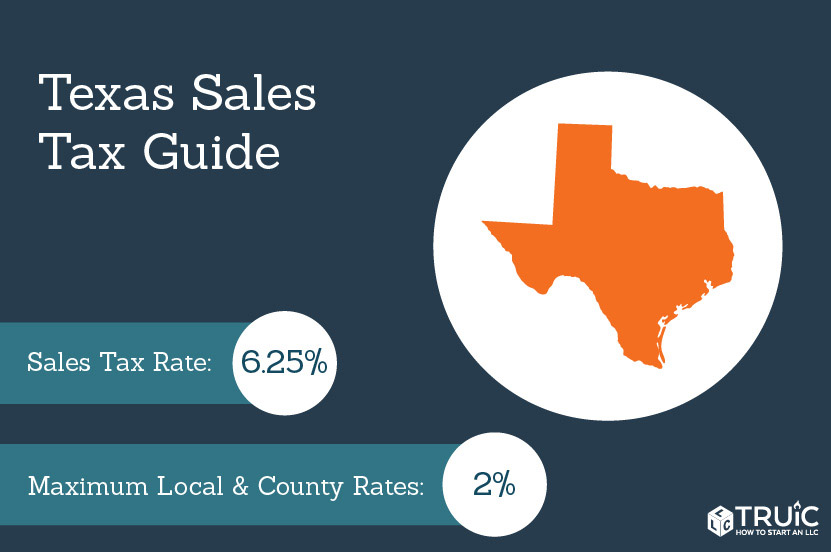
The standard motor vehicle sales tax rate in Texas is 6.25%. This rate applies to the purchase of most motor vehicles, including cars, trucks, motorcycles, and RVs, whether bought from a licensed dealership or through a private sale.
In addition to the state tax, local jurisdictions such as counties and transit authorities can levy an additional local motor vehicle tax of up to 1.5%. When you combine the state and local portions, most Texas residents end up paying a total tax rate of 6.25% to 8.25%, depending on the exact city and county where the vehicle is registered.
How Trade-Ins Affect Your Tax Bill
One of the biggest financial perks of buying a vehicle in Texas is the way trade-ins are handled. Texas is one of the few states that allows a trade-in tax credit. This means you only pay sales tax on the difference between the purchase price of your new vehicle and the trade-in value of your old one.
For example, imagine you are purchasing a new car priced at $35,000, and the dealership gives you $10,000 for your trade-in:
- Vehicle Purchase Price: $35,000
- Trade-In Value: -$10,000
- Taxable Amount: $25,000
Instead of paying 6.25% on the full $35,000 ($2,187.50), you only pay tax on the remaining $25,000 ($1,562.50). This simple calculation can save you hundreds, if not thousands, of dollars.
Private Party Sales and Standard Presumptive Value (SPV)
Buying a car from a private seller is a great way to save money on the upfront purchase price, but the state of Texas has strict rules to ensure proper tax collection. You cannot simply write an arbitrarily low purchase price on the title transfer to avoid taxes.
Video: How much is sales tax on a car in Texas??? Presumptive Value Calculator.
What is Standard Presumptive Value (SPV)?
The Texas Department of Motor Vehicles (TxDMV) uses a metric called the Standard Presumptive Value (SPV) to determine the value of used vehicles bought in private sales. The state calculates this value using a database of actual private-party transactions across Texas.
When you register a car bought from a private party, the county tax office will compare what you paid to the vehicle's SPV:
- If you paid more than the SPV, you will pay taxes based on your purchase price.
- If you paid less than the SPV (for example, if the car needs major mechanical repairs), you may still be taxed based on the SPV unless you can provide a certified appraisal or an official repair estimate showing the vehicle's true condition.
Tax Exemptions and Special Situations
Not every vehicle transfer in Texas results in a hefty tax bill. There are several specific exemptions and alternative tax structures allowed under state law:
- Gifts: If you receive a vehicle as a bona fide gift from a close family member (such as a parent, child, spouse, or sibling), you may qualify for a gift tax instead of the standard motor vehicle sales tax. The current Texas gift tax is a flat $10.
- Inheritance: Vehicles transferred through a will or inheritance are generally exempt from the standard sales tax, though a small transfer fee may apply.
- Disabled Veterans: Certain disabled veterans may qualify for exemptions on motor vehicle tax and registration fees based on their rating from the Department of Veterans Affairs.
- Religious and Nonprofit Organizations: Vehicles purchased by qualified religious, charitable, or educational organizations for official use may be exempt from the tax.
When and Where to Pay Your Vehicle Tax
If you purchase a vehicle from a licensed Texas dealership, the process is seamless. The dealer will typically calculate, collect, and remit the sales tax on your behalf, rolling it into your overall financing or final purchase paperwork.
However, if you buy a vehicle through a private sale, you are entirely responsible for paying the tax yourself. You must visit your local county tax assessor-collector’s office within 30 working days of the purchase date to title and register the vehicle. Bringing Form 130-U (Application for Texas Title and/or Registration), proof of insurance, and payment for the taxes, title fees, and registration will keep you compliant and prevent late penalties.
Conclusion
Navigating the vehicle sales tax in Texas doesn't have to be stressful. By understanding the 6.25% baseline rate, leveraging your trade-in tax credit, and knowing how private party SPV rules work, you can accurately budget for your next automotive purchase. Always remember to complete your registration within the 30-day window to avoid unnecessary late fees from your county tax office.





.1744351186849.png)