Vibrant Coloring Pages For Print To Boost Mindful Stress Relief
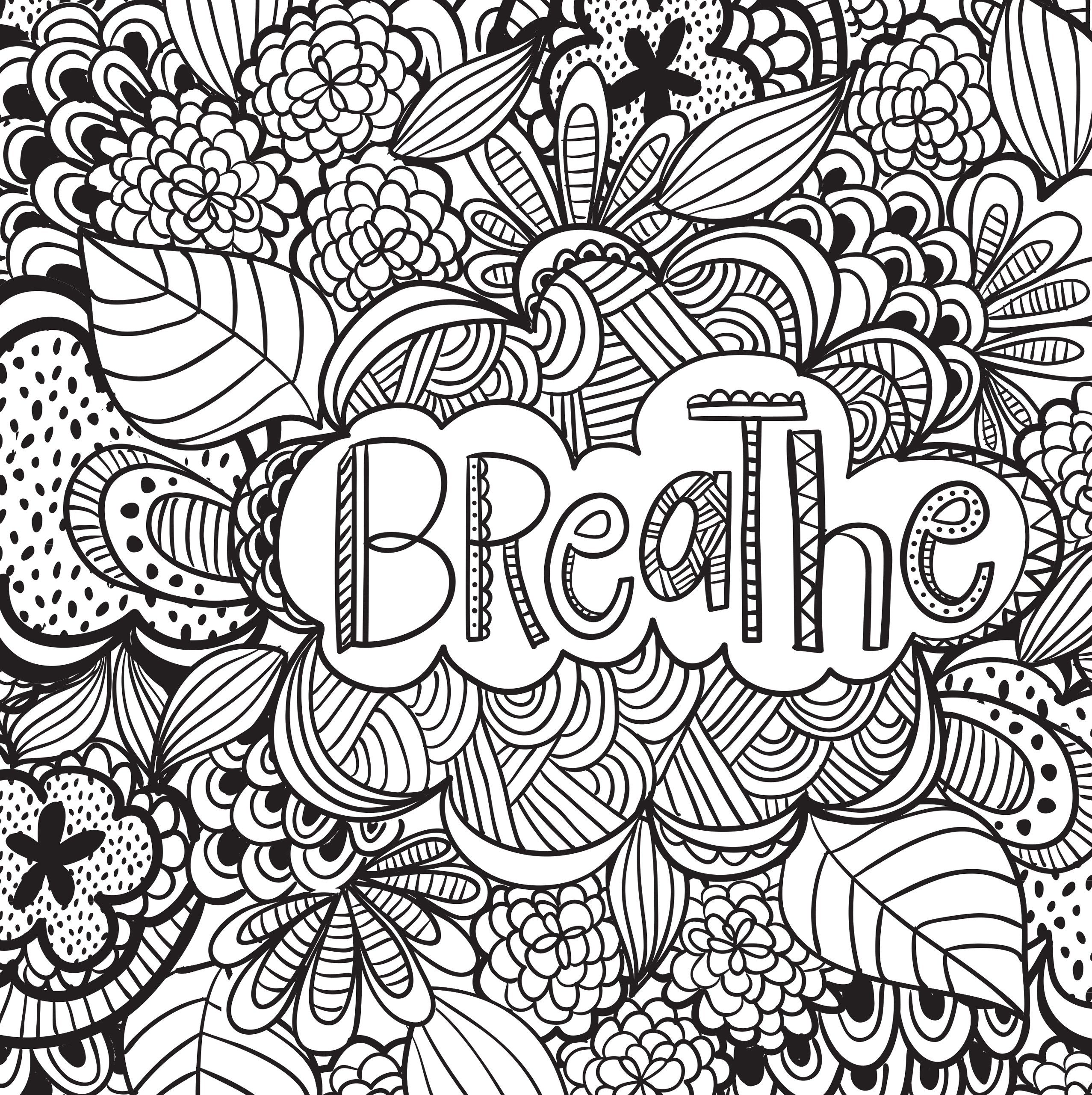
In an era dominated by relentless screen time, urgent notifications, and demanding schedules, turning to vibrant coloring pages for print to boost mindful stress relief offers a tactile, grounding sanctuary. Far from being merely a nostalgic pastime for children, adult coloring has emerged as a scientifically supported modality for emotional regulation, creative expression, and acute anxiety reduction.

Engaging with physical paper and vivid pigments allows your nervous system to downshift from the chaotic sympathetic state ("fight-or-flight") into the restorative parasympathetic state ("rest-and-digest"). By intentionally selecting and printing intricate, high-energy designs, you create a structured creative container that quiets rumination and brings your awareness squarely into the present moment.
The Neuroscience Behind Mindful Coloring
When you sit down with a coloring page, your brain experiences a shift in cognitive load. Neuroscientists and art therapists note that focused creative tasks occupy the brain's executive networks without overwhelming them, generating an accessible state of flow.
- Amygdala De-escalation: The amygdala is the brain's alarm system, responsible for triggering stress responses. Focusing on repetitive, precise hand-eye movements lowers amygdala reactivity, dampening physiological markers of stress such as rapid pulse and shallow breathing.
- Bilateral Brain Activation: Coloring requires both hemispheres to work in tandem. The left hemisphere organizes structure, boundaries, and spatial logic, while the right hemisphere manages visual balance, color theory, and aesthetic intuition. This balance leaves little cognitive bandwidth for cyclical worry or catastrophic thinking.
- Dopamine and Micro-Accomplishments: Completing small sections of an intricate design delivers steady micro-doses of dopamine. Unlike the fleeting dopamine spikes produced by social media algorithms, this neurochemical reward is tied to tangible, self-directed progress, reinforcing self-efficacy and calm.
The Psychological Power of Vibrant Colors
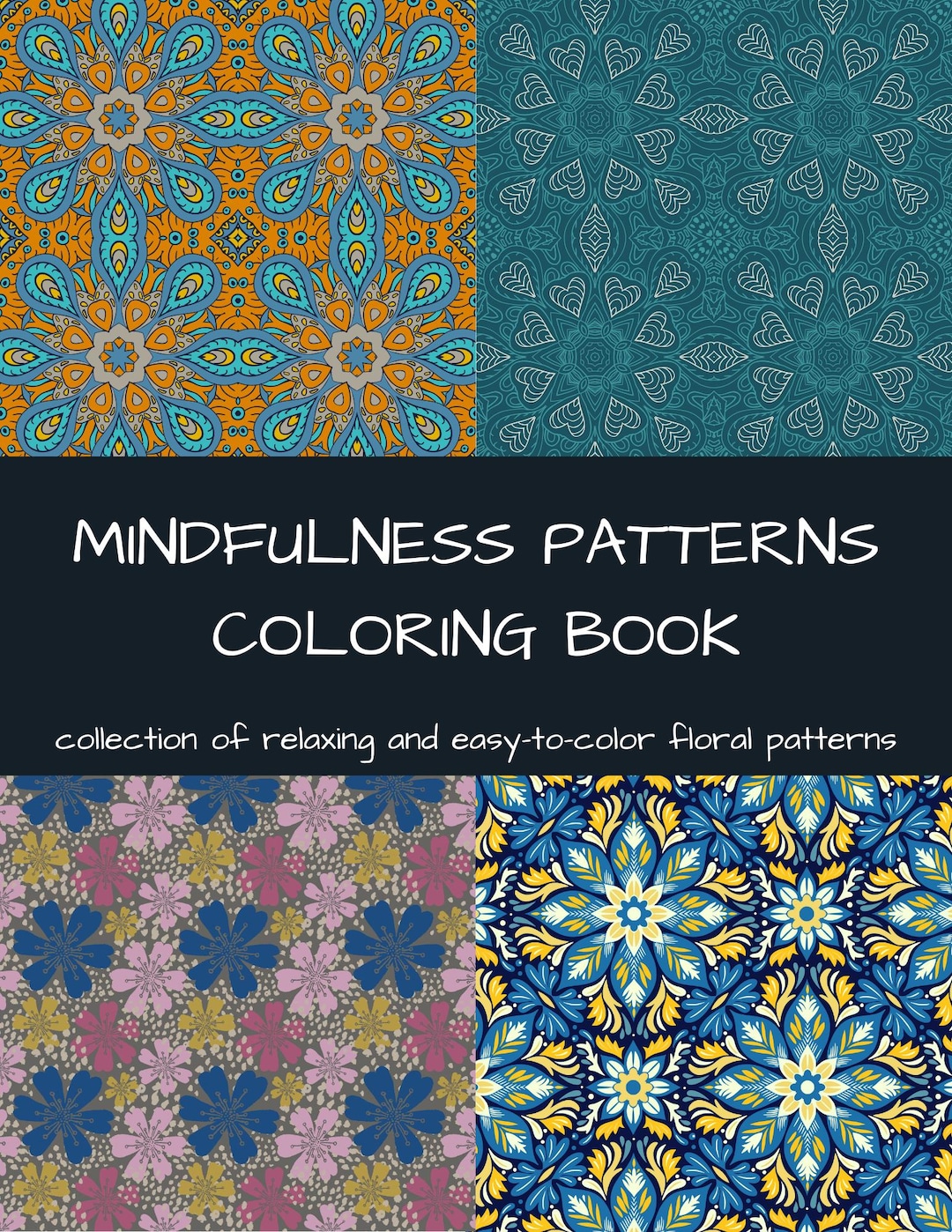
While pastels and neutrals have their place in relaxation, rich and saturated colors offer unique therapeutic advantages. Chromotherapy—the study of how color frequencies affect human mood—suggests that high-intensity hues stimulate vitality, lift depressive fog, and break emotional numbness.
When selecting your palette, consider how contrasting colors interact to influence your headspace:
- Luminous Warm Tones (Crimson, Tangerine, Sunflower): Stimulate positive energy, overcome afternoon fatigue, and encourage optimism.
- Deep Cool Tones (Cobalt, Teal, Emerald): Ground scattered thoughts, slow down racing mental chatter, and foster emotional equilibrium.
- High-Contrast Pairings: Juxtaposing complementary shades (such as vivid violet and golden yellow) forces visual focus, drawing your attention deeper into the page and away from external stressors.
Vibrant Coloring Pages for Print to Boost Mindful Stress Relief
To maximize the meditative benefits of this practice, the style of printable illustration matters. Not every design promotes the same mental state. Here are the most effective printable formats designed to facilitate active stress reduction:
1. Botanical and Living World Motifs
Organic forms—such as cascading tropical leaves, blooming dahlias, and intricate avian feathers—tap into our innate affinity for the natural world (biophilia). Printing lush, flora-dense pages allows you to blend deep forest greens with blazing petal tones, replicating the restorative psychological effects of walking through an arboretum.
2. Complex Circular Mandalas
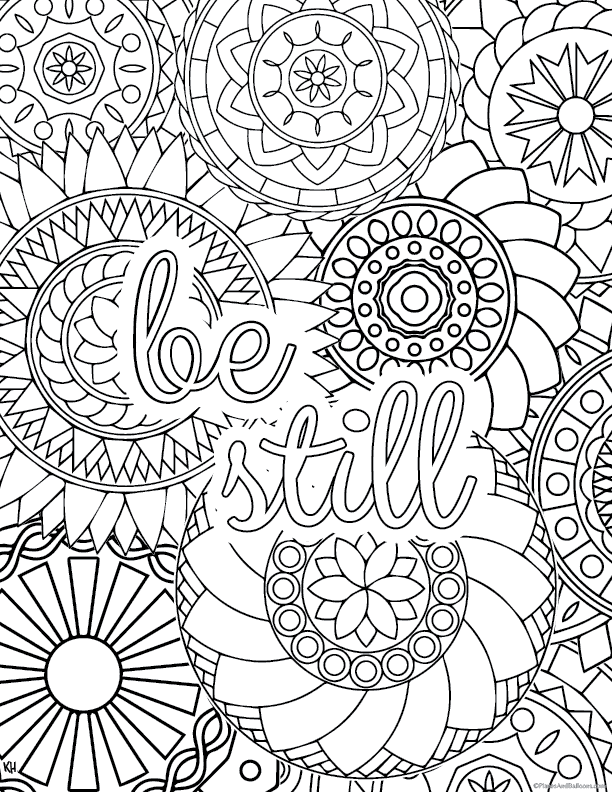
Rooted in ancient contemplative traditions, mandalas feature concentric symmetry that naturally guides the eyes inward toward a focal center. Psychologists have long recognized that working from the outer periphery toward the core of a mandala mirrors the process of centering one's internal state, making them exceptional tools for decompressing after a taxing workday.

3. Geometric and Optical Abstracts
If natural curves feel too open-ended, rigid geometric patterns offer reassuring predictability. Tessellations, kaleidoscopic prisms, and clean isometric lines present clear boundaries that alleviate decision fatigue. Choosing a bold, contrasting color scheme for repeating blocks creates a hypnotic rhythm that speeds up entry into deep mindfulness.
Printing Recommendations for the Best Experience
The sensory quality of your tools heavily influences the mindfulness experience. Using standard 20 lb copy paper often leads to marker bleed-through, paper warping, and sensory frustration—the exact opposite of stress relief. Follow these guidelines to produce high-grade printable sheets at home:
- Paper Weight: Opt for medium cardstock or heavy drawing paper between 65 lb (176 gsm) and 90 lb (240 gsm). This weight supports heavy ink saturation, watercolor pencils, and dense layering without tearing.
- Paper Finish: Choose a smooth ("vellum" or "satin") finish if using alcohol markers or gel pens, as this prevents tip fraying and ensures smooth ink flow. If you prefer colored pencils, select paper with slight "tooth" to grip the pigment layers effectively.
- Printer Settings: Select "High Quality" or "Fine Detail" in your print dialogue. If you plan to use wet media (such as brush pens or light watercolor washes), print using a laser printer or ensure your inkjet ink is fully dry to prevent line smearing.
How to Establish a Daily 15-Minute Mindful Coloring Ritual
You do not need hours of uninterrupted free time to reap the wellness rewards of coloring. A deliberate, bite-sized daily ritual is far more effective for sustained stress management than an occasional weekend marathon.
- Prepare Your Environment: Clear your desk of clutter, silence your phone, and pour a warm beverage. Lighting a candle or playing ambient instrumental soundscapes can serve as an environmental cue that work hours are paused.
- Set a Grounding Intention: Before placing color on paper, take three slow diaphragmatic breaths: inhale for four counts, hold for two, and exhale for six. Remind yourself that this exercise has no grading criteria, deadlines, or audience.
- Relinquish Perfectionism: The goal is somatic presence, not gallery-ready art. If you color outside the lines, treat it as an exercise in radical acceptance. Notice the resistance, breathe through it, and continue blending.
- Observe the Physical Sensation: Pay attention to the resistance of the pencil against paper, the faint sound of the stroke, the vibrant pigment emerging across white space, and the relaxation of your shoulders. Whenever your mind wanders to your inbox or to-do list, gently guide your focus back to the edge of your colored pencil.
Frequently Asked Questions
Are bold, vibrant designs better for stress relief than pastel designs?
Both have therapeutic value, but vibrant coloring sheets are uniquely effective for cutting through lethargy, mental fatigue, and persistent negative thought loops. The contrast demands sharper sensory focus, making it easier for active minds to enter flow state compared to subtle hues that require less cognitive engagement.
What mediums work best on printable coloring pages?
Wax- or oil-based colored pencils (such as Prismacolor Premier or Faber-Castell Polychromos) offer exceptional blendability and control on standard 65 lb cardstock. Dual-tip water-based brush markers are also popular for filling bold spaces with saturated color without emitting strong chemical odors.
Can coloring actually lower physiological symptoms of anxiety?
Yes. Clinical studies evaluating art-making activities demonstrate measurable decreases in salivary cortisol (the primary human stress hormone) after as little as 30 to 45 minutes of creative focus. Participants consistently report lower heart rates, reduced muscular tension, and improved baseline clarity following structured coloring sessions.