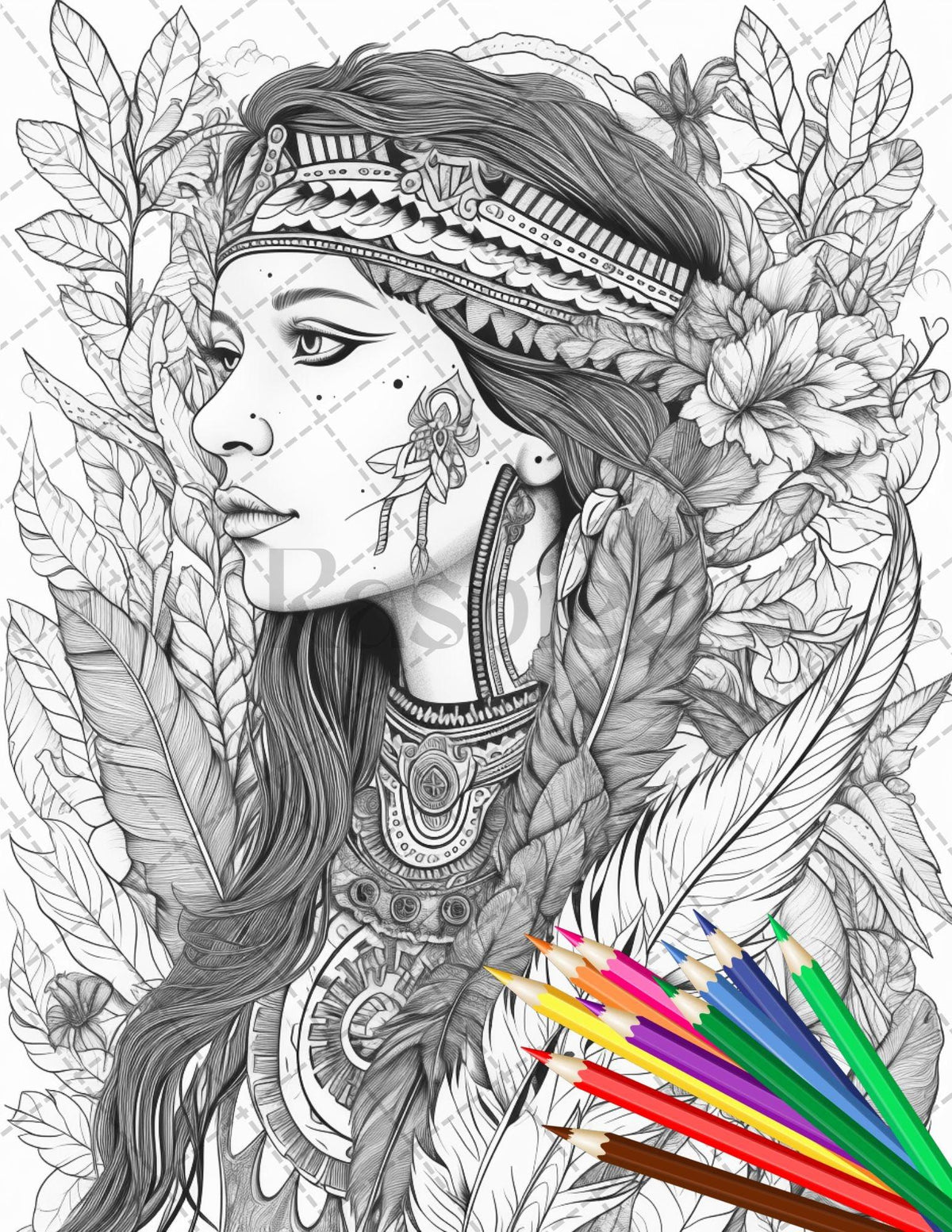
Vibrant Native American Coloring Sheets for Kids and Adults
Coloring has evolved far beyond a rainy-day pastime for preschoolers. Today, it serves as a therapeutic mindfulness practice for adults and a dynamic educational tool for children. When you explore vibrant Native American coloring sheets for kids and adults, you open a doorway into the rich artistic traditions, varied geographies, and compelling visual languages of hundreds of distinct Indigenous nations across North America.

Rather than treating Indigenous art as a single, uniform style, engaging with culturally thoughtful coloring pages allows colorists of all ages to appreciate the unique aesthetics of regional cultures—from Pacific Northwest formline art to Southwest geometric pottery patterns and Plains quillwork designs.
The Rich Diversity of Indigenous Art Forms
Before putting pencil to paper, it helps to understand that Native American visual culture is extraordinarily diverse. There is no single "Native American style." Instead, geography, available natural materials, and spiritual traditions shaped distinct creative movements across different regions:
- Southwest Nations (Navajo, Hopi, Zuni, Pueblo): Renowned for intricate silverwork, turquoise settings, woven textiles featuring bold stepped diamonds, and hand-coiled pottery painted with geometric black-and-white or polychrome slips.
- Pacific Northwest (Haida, Tlingit, Coast Salish): Characterized by the sophisticated "formline" system—flowing black primary formlines filled with ovoids, U-forms, and S-shapes that depict ravens, orcas, bears, and human ancestors.
- Plains Nations (Lakota, Cheyenne, Blackfoot): Famous for pictorial ledger art, hide painting, and floral or geometric beadwork that tells stories of historical encounters, bravery, and personal visions.
- Eastern Woodlands (Cherokee, Iroquois/Haudenosaunee, Ojibwe): Distinguished by flowing floral beadwork, intricate finger weaving, ribbon work, and raised bead embroidery inspired by local woodland botanicals.
Choosing Vibrant Native American Coloring Sheets for Kids and Adults
Finding the right coloring page depends on the age, motor skills, and creative goals of the person holding the markers. High-quality sheets cater differently to growing minds and experienced artists.
Engaging Options for Young Children
For elementary students and younger kids, look for sheets with clear, thick outlines and accessible subject matter. Great themes include regional wildlife depicted in traditional styles—such as swimming river otters, soaring eagles, or running bison. These pages provide an ideal balance of creative expression and cultural learning. They encourage hand-eye coordination without frustrating little hands with micro-fine details.
Additionally, these sheets present great opportunities for parents and teachers to pair coloring with read-aloud folk tales and geography lessons, steering clear of cartoonish or stereotypical caricatures.
Complex Designs for Teens and Adults
Adult colorists often look for intricacy, flow, and meditative repetition. Complex coloring sheets inspired by Navajo saddle blankets, Pima basketry weaves, and Haudenosaunee beaded bandolier bags offer hours of focused relaxation. The symmetry found in Indigenous textile art mimics the geometric rhythm of classic mandalas, lowering heart rates and encouraging a calm, screen-free flow state.
Video: Native American Indian coloring book #coloringbook #coloringbookpages #colouringbook #grayscale

Popular Cultural Themes and Motifs to Color
When selecting pages, you will encounter several recurring themes rooted in historic and contemporary Indigenous expression:
- The Ojibwe Asigabamay (Dreamcatcher): Originally crafted from willow hoops and sinew by the Ojibwe people to protect sleeping infants, authentic coloring sheets depict natural feathers, leather wraps, and central stone beads rather than mass-market synthetic versions.
- Geometric Pottery Motifs: Acoma and Mimbres pottery illustrations offer fascinating spirals, feather patterns, and lightning bolts that look stunning when filled with contrasting warm and cool tones.
- Regalia and Ribbon Skirts: Ribbon skirts and shirts represent personal identity, endurance, and cultural pride among modern Native women and men. Coloring these garments allows artists to experiment with saturated stripes against dark fabric backgrounds.
- Traditional Dwellings in Context: Educational coloring sheets depicting coastal plank houses, Southwest pueblos, and Woodland wigwams help dispel the myth that all Native peoples lived in tipis.
Best Color Palettes for Authentic and Vibrant Results
While coloring allows total freedom of imagination, using palettes inspired by natural earth pigments and historic trade goods can elevate your finished piece into a striking work of art.
- Earth & Clay Palette: Combine raw umber, terracotta, burnt sienna, ochre yellow, and bone white. This palette reflects the natural minerals, plant dyes, and clays used in traditional pottery, hide tanning, and sand painting.
- Southwest Turquoise & Sunset: Contrast bright turquoise, sky blue, and malachite green with coral red, marigold orange, and charcoal black to mirror silver and turquoise jewelry.
- Vibrant Trade Bead Palette: European glass trade beads introduced brilliant jewel tones to Indigenous beadworkers in the 18th and 19th centuries. Emulate this look using saturated cobalt blue, vermilion red, lemon yellow, and chalk white.
Respectful Engagement: Appreciation vs. Appropriation
Artistic exploration should always walk hand-in-hand with cultural respect. Because sacred symbols and ceremonial regalia hold deep spiritual meaning for Indigenous communities, it is essential to be intentional about the coloring materials you select.
Whenever possible, purchase or download coloring pages illustrated directly by Indigenous artists. Many contemporary Native painters, printmakers, and educators produce printable coloring books to share their culture authentically. Supporting these creators ensures that cultural knowledge remains properly attributed and economically beneficial to the communities from which it originates.
Avoid pages that treat sacred ceremonial objects (such as the eagle feather headdress or war bonnet) as trivial costumes, and use coloring time as a launching pad to learn about the living sovereign nations thriving today.
Recommended Coloring Tools and Techniques
To bring out the deepest tones in your coloring sheets, match your medium to the complexity of the design:
- Wax and Oil-Based Colored Pencils: Ideal for adult pages with tiny geometric bead grids. Soft-core pencils allow smooth blending and realistic shading on feather textures and clay vessels.
- Dual-Tip Brush Markers: The brush end quickly lays down saturated, streak-free color over large areas like skies and textiles, while the ultra-fine tip handles sharp geometric corners.
- Gel Pens: A set of white, gold, and silver gel pens is perfect for adding raised beadwork highlights or metallic sheen to finished illustrations.
- Paper Selection: If you are printing digital sheets at home, opt for 65 lb or 80 lb cardstock instead of standard copy paper. Heavy paper prevents marker bleed-through and provides enough tooth for multiple layers of colored pencil.
Whether you are introducing a child to the beauty of woodland wildlife or spending a quiet evening blending shades on a Southwest tapestry pattern, thoughtfully designed coloring pages provide a relaxing, educational, and visually stunning creative outlet.