View from Seat Minute Maid Park: What They Hide
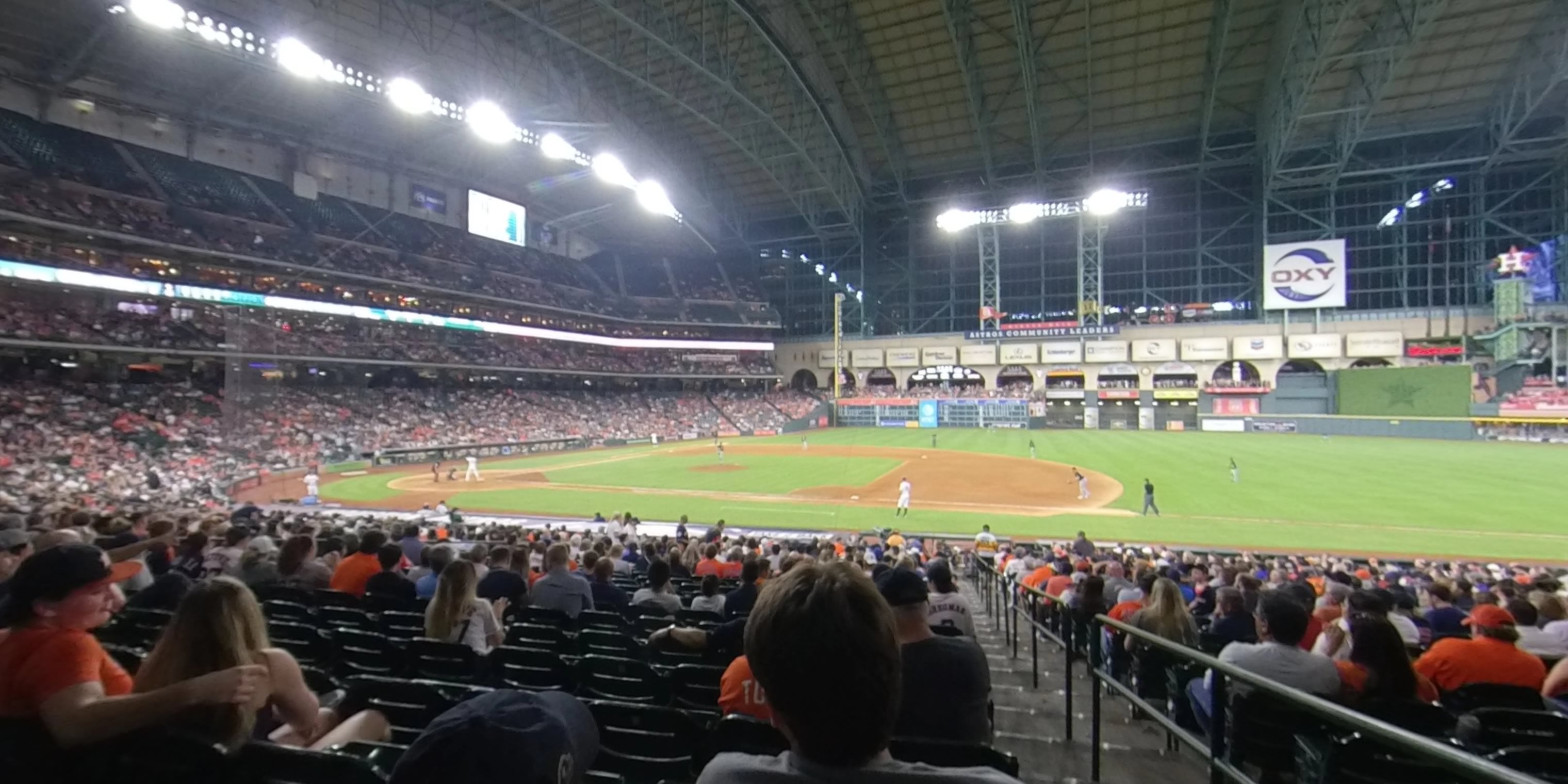
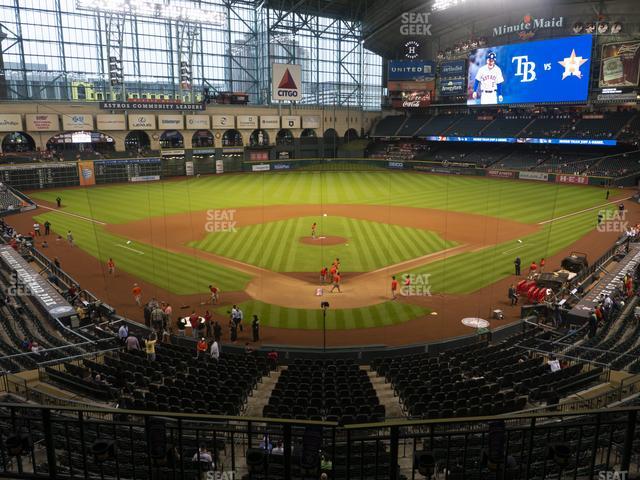
When purchasing tickets for a Houston Astros home game, the virtual 3D seat viewer provided by ticketing platforms paints an idyllic picture. Crisp sightlines, crystal-clear views of the infield, and a vibrant ballpark atmosphere appear on your screen. However, evaluating the actual view from seat Minute Maid Park ticket buyers receive in real life reveals a distinctly different story. Ballparks are architectural compromises, and Minute Maid Park—with its retractable roof, downtown rail yard heritage, and idiosyncratic outfield geometry—features several blind spots and design quirks that official ticket diagrams quietly omit.

Whether you are hunting for budget seats in the 400 level or splurging on lower-bowl tickets near the dugouts, knowing what lies outside the frame of promotional preview images can save you from a ruined nine innings.
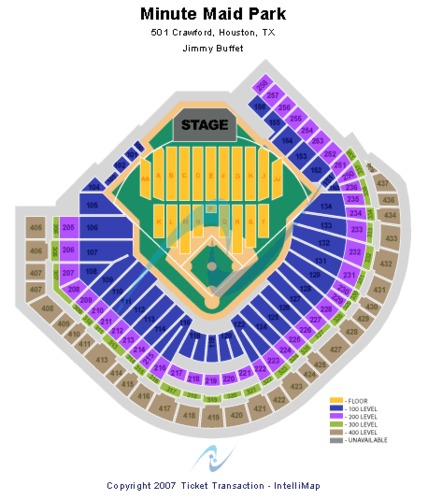
The Lower Bowl Overhang Trap (Sections 112–126, High Rows)
The lower bowl sections directly behind home plate and flanking the dugouts are considered premier real estate. However, ticket buyers often fail to notice the severe overhang created by the Mezzanine and Club Levels above. In sections 112 through 126, once you get past Row 28—and especially from Row 32 to Row 40—the experience changes dramatically.
While you can see home plate and the pitcher’s mound cleanly, your vertical field of vision disappears:
- Fly Balls Vanish: Any popup or high-arcing fly ball disappears instantly into the concrete ceiling. You must rely on crowd reaction or outfield footwork to determine whether a ball is an easy out or a 400-foot blast.
- The Video Board Disappears: "El Grande," the massive high-definition display located above right-center field, is completely blocked from view in the back rows of these lower-bowl sections. Instead, the stadium mounts small, flat-panel auxiliary televisions under the overhang, which frequently suffer from glare, latency, and a disconnected aesthetic.
- Echo Chamber Acoustic Dampening: The overhang traps mechanical noise while muffling the natural roar of the ballpark, making you feel as though you are watching the game from a basement parking garage rather than the heart of an MLB stadium.
Crawford Boxes: Romanticized Legend vs. Seating Reality
The Crawford Boxes (Sections 100 through 104 in left field) are legendary for catching home runs, thanks to the shallow 315-foot left-field porch. Yet, third-party ticket brokers routinely charge massive markups for seats that carry significant drawbacks.
First, the pitch angle of the Crawford Boxes is shallow. If you are sitting in Rows 4 through 10, a tall spectator sitting just one or two rows ahead will block your direct view of third base and the shortstop. Because the seats point straight toward center field rather than angled toward home plate, you must hold your neck turned at a hard 45-degree angle for three hours.
Second, Section 100 and portions of Section 101 have severe blind spots along the left-field corner. Any ball driven directly down the left-field line or rattling into the corner will be invisible to you, hidden beneath the lip of the outfield wall or obstructed by the manual scoreboard operators and railings.
View from Seat Minute Maid Park: What Ticket Apps Hide
Most seat visualization tools render an empty ballpark on a sunny day with the roof open. They do not simulate structural infrastructure, handrails, or the physical presence of other human bodies. Here are the most prevalent surprises ticket buyers encounter when they reach their row.
The Upper Deck Front-Row Handrail Obstruction (400 Level)
Video: Where to buy Houston Astros Tickets View from 3rd base Dugout Minute Maid Park

Purchasing Row 1 in any upper-deck section sounds like an automatic victory: no heads in front of you and unlimited legroom. At Minute Maid Park, Row 1 of the 400 Level (View Deck) comes with a frustrating caveat: a heavy-duty, safety-mandated metal handrail.
Because the rake (steepness) of the upper deck is sharp, this rail sits precisely at eye level for an adult of average height sitting fully back in their chair. To track the pitcher's release and the batter's swing, you are forced to spend the entire game either slouching unnaturally to look beneath the bar or perching on the edge of your seat to peer over it. Row 2 or Row 3 in these sections often provides a far cleaner view than Row 1.
Extreme Corner Angles in the 250s and 130s
The right-field corner sections—specifically Sections 133–134 and Sections 254–255—feature seats angled toward second base instead of the batter's box. If you sit here, your shoulders naturally square to the right-field grass. Furthermore, the yellow foul pole and its protective support cables create an annoying vertical slice through your view of the infield. Ticket maps rarely mark these as "obstructed," yet the foul pole will sit directly between your eyes and the batter in several specific seat numbers.
The Retractable Roof Factor: Glare and Climate Realities
Minute Maid Park’s retractable roof covers the field roughly 80% to 90% of the season to combat Houston’s oppressive heat and humidity. However, even with the roof closed, sunlight remains an issue that ticket sites ignore.
The stadium’s western side features a massive 50,000-square-foot glass wall that showcases the downtown Houston skyline. During early-evening games in June, July, and August—specifically for 6:10 PM or 7:10 PM first pitches—the setting Texas sun cuts directly through this glass wall.
- The Hot Seats: Sections in the upper 300 and 400 levels on the first-base side (Sections 320–334 and 420–434) bear the brunt of this blinding glare. For the first four to five innings, you will stare directly into the sun, rendering the infield nearly invisible without dark sunglasses.
- Temperature Fluctuations: Even with high-powered air conditioning running, the radiant heat permeating the glass wall creates localized warm zones along the upper right-field concourse, negating the expected 73-degree climate control.
The Safest Value Seats at Minute Maid Park
Now that you know what to avoid, where should you actually look to get unobstructed sightlines without paying premier Diamond Club prices?
- Mezzanine Level (Sections 251–253): Perched above right-center field, these seats offer an elevated, panoramic view of the entire ballpark. They are typically priced lower than lower-bowl infield seats and provide a straight look at both the field and the downtown backdrop without overhang interference.
- Sections 110–114 and 124–128 (Rows 10–22): This is the sweet spot of the lower bowl. You sit low enough to feel the speed of the game, high enough to see over the dugout roofs, and comfortably forward from the ceiling overhang.
- View Deck I (Sections 415–423, Rows 3–8): Directly behind home plate on the upper level. These seats sit behind the problematic front handrails but remain low enough in the 400 tier to avoid feeling detached from the game. Sightlines here provide a pristine, tactical look at pitch movement and defensive shifts.
Final Checklist Before You Check Out
Before entering your credit card details on any ticketing platform, run through these quick checks to ensure your view is what you expect:
- If choosing the 100 level, is your row number higher than 26? If so, be prepared for a ceiling overhang that cuts off fly balls and the main scoreboard.
- If choosing Row 1 in the upper deck, are you comfortable leaning forward around safety railings?
- For a late-afternoon or early-evening start, are you sitting along the first-base line where the setting sun through the glass wall can blind you?
Minute Maid Park is an electric venue when the Astros are rolling, but taking five minutes to verify structural sightlines ensures that you remember the game on the field, rather than the metal pole or concrete ceiling directly in your way.