Vince McMahon’s $121 Billion Empire: True Wealth
Sensational headlines frequently circulate across social media and financial forums claiming the existence of Vince McMahon’s $121 Billion Empire: Separating Genius from WWE’s Ambitious Billionaire Fortune! Yet anyone tracking sports business knows that separating financial fact from promotional hyperbole is essential when evaluating the longtime World Wrestling Entertainment patriarch. While McMahon fundamentally transformed professional wrestling from a fractured regional sideshow into a multibillion-dollar global media property, the dizzying $121 billion figure requires a sober, evidence-based reality check.

The Real Math: Net Worth vs. Enterprise Value
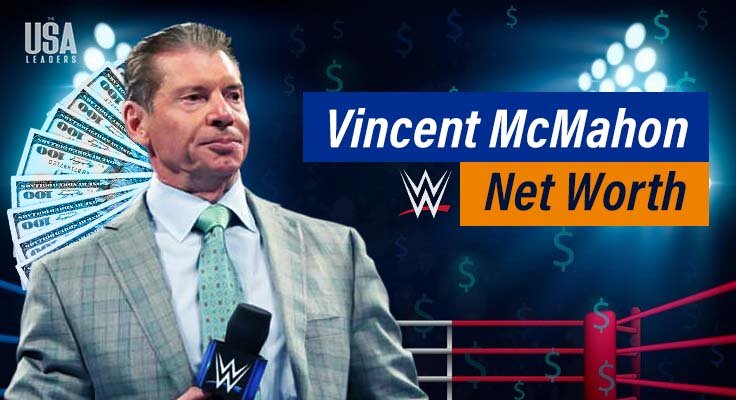
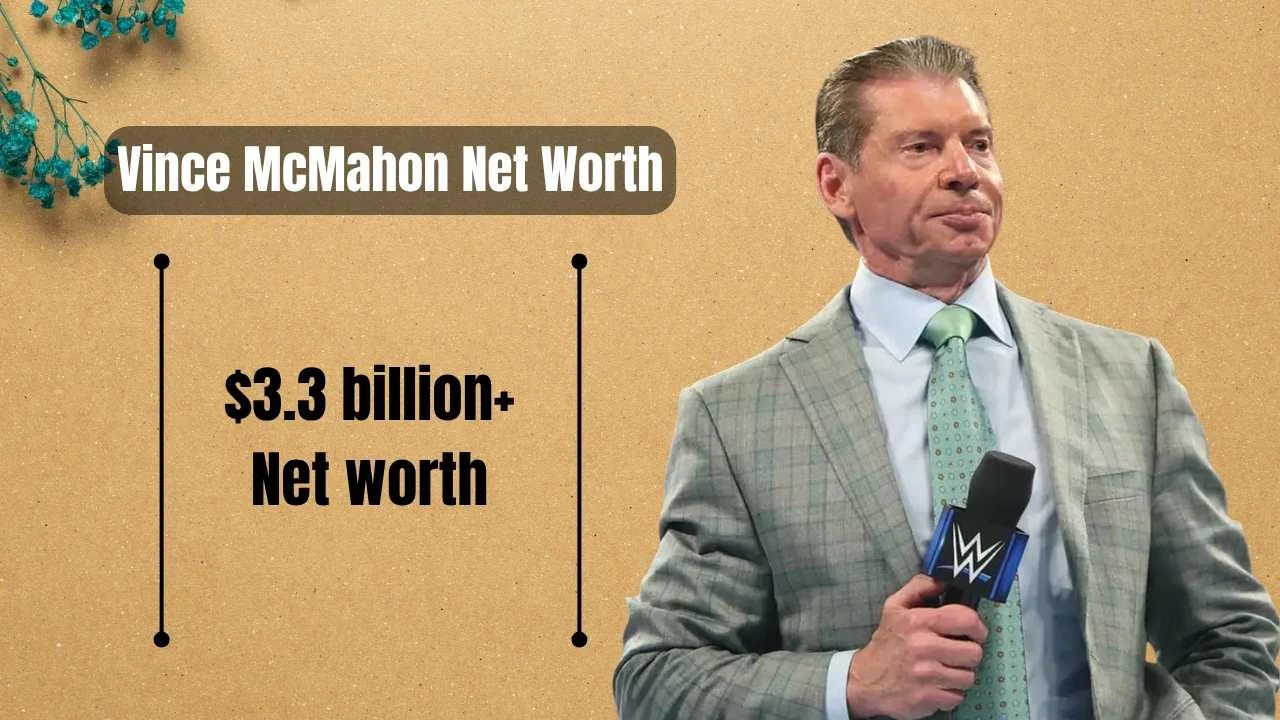
To understand McMahon’s actual financial standing, one must distinguish between personal net worth, corporate market capitalization, and cumulative media rights valuations. According to established wealth trackers like Forbes and Bloomberg, Vince McMahon’s personal net worth typically fluctuates between $2.5 billion and $3.2 billion, depending on equity liquidations and broader market conditions.
Where, then, does an astronomical sum like $121 billion enter the conversation? In modern media commentary, analysts and commentators often tally the cumulative enterprise valuations, multi-decade broadcast deals, and the asset portfolios of WWE’s corporate partners. When WWE merged with Endeavor Group Holdings’ UFC in September 2023 to form TKO Group Holdings, the combined enterprise value was pegged at roughly $21.4 billion—WWE valued at $9.3 billion and UFC at $12.1 billion. Conflating cumulative media revenues, parent company turnover, and long-term licensing pacts can easily cause speculative numbers to snowball online.
Vince McMahon’s $121 Billion Empire: Separating Genius from WWE’s Ambitious Billionaire Fortune
Whether examining real billions or exaggerated internet estimates, evaluating McMahon requires a clear analysis of his business acumen. For four decades, McMahon operated as a corporate disruptor whose aggressive strategies redefined live entertainment and cable television.
Breaking the Territory System
When McMahon purchased Capitol Wrestling from his father, Vincent J. McMahon, in 1982, the industry operated under a quiet cartel: the National Wrestling Alliance (NWA). Promoters respected regional borders, never invading another’s television market or talent pool. Vince Jr. had no interest in playing by those gentlemen’s rules. He syndicating WWE programming nationally, purchased rival time slots, and signed top regional draws—most notably Hulk Hogan—to craft a singular national brand.
Inventing Modern Pay-Per-View
Launched in 1985 at Madison Square Garden, the original WrestleMania wasn't just a wrestling event; it was a watershed moment for closed-circuit television and modern pay-per-view (PPV). By recruiting mainstream pop-culture icons like Cyndi Lauper, Muhammad Ali, and Mr. T, McMahon bridged the gap between athletics and entertainment, creating the "Sports Entertainment" playbook that today drives billions in broadcast value.
The Direct-to-Consumer Masterstroke

Long before legacy media companies panicked over cord-cutting, McMahon took an unprecedented gamble in 2014 by launching the WWE Network. Pundits warned that abandoning traditional $50 PPVs for a $9.99 monthly direct-to-consumer streaming app would cannibalize revenue. Instead, it positioned WWE as a technological pioneer. Seven years later, McMahon monetized that infrastructure by licensing WWE Network's domestic rights to NBCUniversal’s Peacock in a multi-year deal valued at over $1 billion.
Where the Myth Meets the Ledger
While the promotional myth of an unchecked, ever-expanding hundred-billion-dollar empire captures imaginations, McMahon's business record features significant financial missteps. A balanced view reveals several major endeavors that failed to generate sustained profits:
- The World Bodybuilding Federation (WBF): Launched in 1990 to challenge established fitness federations, the venture shuttered after just two years amid weak revenue and high operational costs.
- The XFL (2001 and 2020): McMahon twice attempted to challenge the NFL. The 2001 iteration, co-owned with NBC, collapsed after a single season with tens of millions in losses. His 2020 reboot—funded privately through Alpha Entertainment via hundreds of millions in WWE share sales—was derailed by the COVID-19 pandemic and ended in bankruptcy.
- WWE Studios: Although producing occasional modest successes, WWE’s theatrical film division frequently absorbed write-downs on direct-to-DVD features that failed to make an impact outside the company's core fan base.
The TKO Exit and Loss of Control
The ultimate paradox of Vince McMahon’s financial career is that his greatest monetary triumph directly precipitated his loss of control. In 2023, following an initial retirement spurred by board investigations into nondisclosure agreements and hush-money settlements, McMahon utilized his voting power as majority shareholder to return and orchestrate the sale of WWE.
The resulting merger with Endeavor into TKO Group Holdings secured historic windfalls for shareholders and cemented WWE's corporate longevity. However, subsequent federal inquiries and detailed civil lawsuits alleging serious personal and sexual misconduct forced McMahon to resign completely from TKO’s board of directors in early 2024.
Following his departure, McMahon began methodically liquidating his TKO holdings. In a series of secondary stock offerings throughout 2023 and 2024, he sold off tens of millions of shares, converting billions of dollars of corporate equity into liquid capital while completely severing his executive connection to the enterprise he spent a lifetime building.
The Bottom Line: Promoter, Pragmatist, and Pioneer
Strip away the hyperbole of internet wealth claims, and Vince McMahon’s genuine financial impact remains undeniable. He did not build a $121 billion personal empire, but he transformed an insular northeastern territory into a dominant global conglomerate worth tens of billions, fundamentally changing how sports properties negotiate broadcast rights, live event tours, and international licensing.
His story stands as a complex case study in business dominance: an uncompromising operator who achieved unprecedented commercial dominance, only to find himself alienated from his own creation when corporate governance and public accountability finally caught up to his unchecked authority.