Vintage Porcelain Dolls Value: What Are They Worth?
If you have inherited a doll collection or discovered an heirloom tucked away in an attic, you are likely curious about your vintage porcelain dolls value. The world of doll collecting is vast, fascinating, and occasionally surprising. While some rare pieces command thousands of dollars at premier auction houses, many dolls produced in the late 20th century hold primarily sentimental value.
Determining what a porcelain doll is worth requires understanding the difference between genuine antiques and mass-market vintage reproductions, locating maker marks, and assessing physical condition. This guide walks you through the exact steps needed to evaluate your doll realistically.
Understanding Vintage Porcelain Dolls Value: Antiques vs. Modern Reproductions
The single most important factor in doll valuation is age combined with production scale. Doll appraisers divide porcelain dolls into two primary categories:
- Antique Bisque and China Dolls (1850s–1930s): These dolls feature heads made of unglazed tinted porcelain (bisque) or glazed porcelain (china). Primarily manufactured in Germany and France, these items were made to be played with or displayed by wealthy families. True antique dolls represent the higher end of the secondary market.
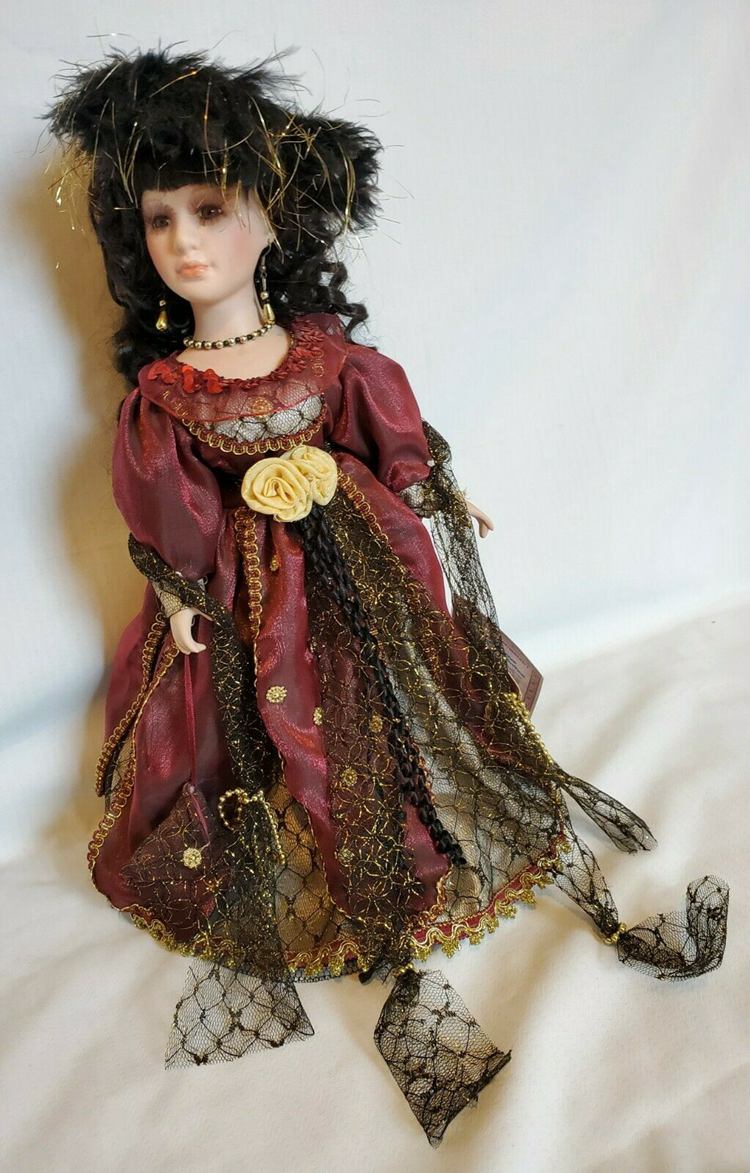
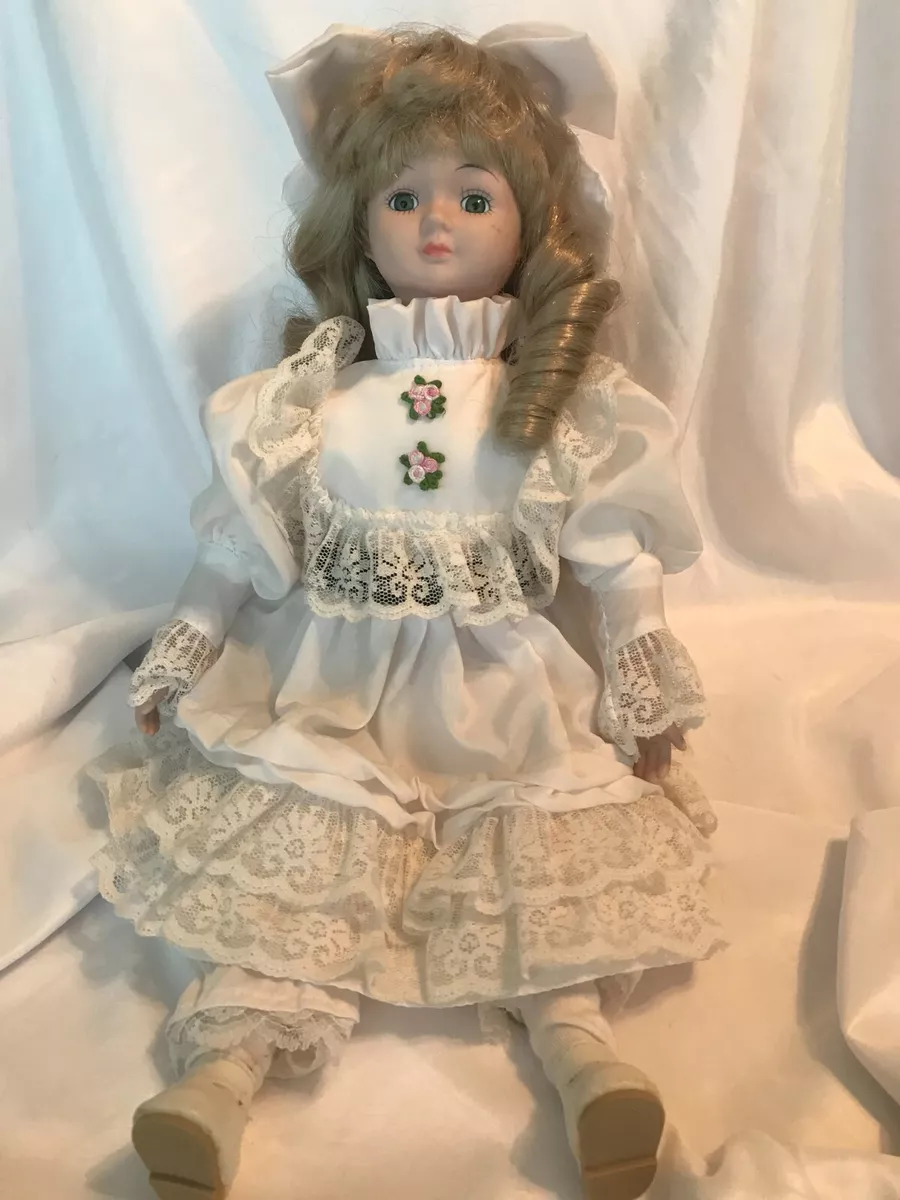
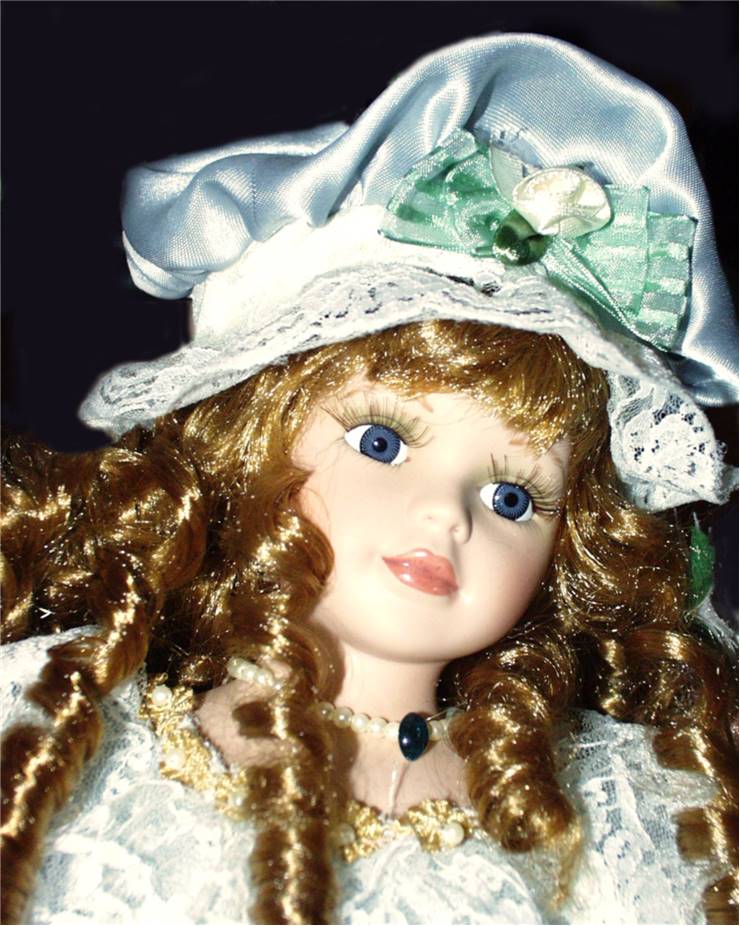
- Mass-Produced Vintage Collector Dolls (1970s–1990s): Brands like Ashton-Drake Galleries, Franklin Mint, Heritage Mint, and Seymour Mann produced millions of porcelain dolls marketed specifically as "instant collectibles." Because these were manufactured in massive volumes, supply vastly outstrips demand today. Most sell for between $5 and $25, regardless of their original retail price.
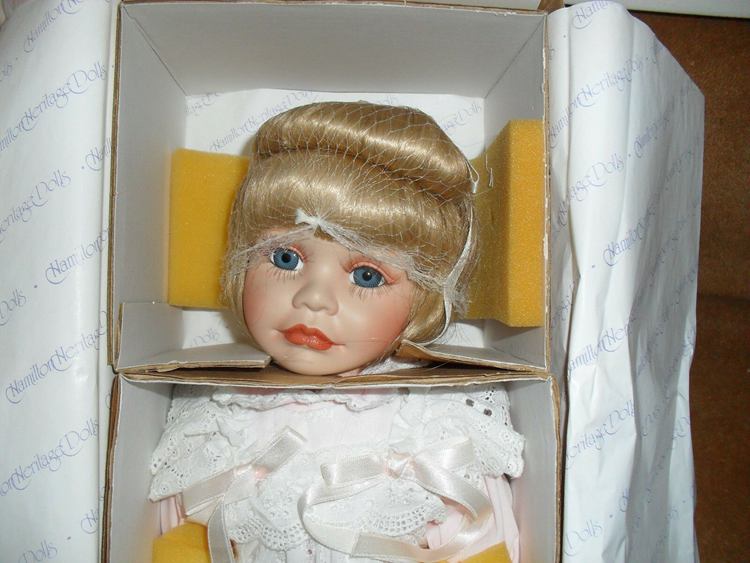
If your doll came in a decorative cardboard box with a "Certificate of Authenticity" stating it is a limited edition from the 1980s or 1990s, its financial value is likely modest. However, if the doll has genuine antique provenance, distinct hand-painted detailing, or an authentic mold mark from a historic European foundry, it could be worth significantly more.
Key Factors That Dictate Market Worth
Professional appraisers evaluate five primary elements when assessing porcelain doll values:
1. Maker Marks and Mold Numbers
Much like fine pottery, authentic antique dolls typically carry identification stamps, incised numbers, or symbols. These marks are usually found on the back of the neck, between the shoulder blades, or on the bottom of the foot. A mold number (such as "370" or "109") identifies the specific facial sculpt, which collectors use to determine rarity.
2. Material and Finish
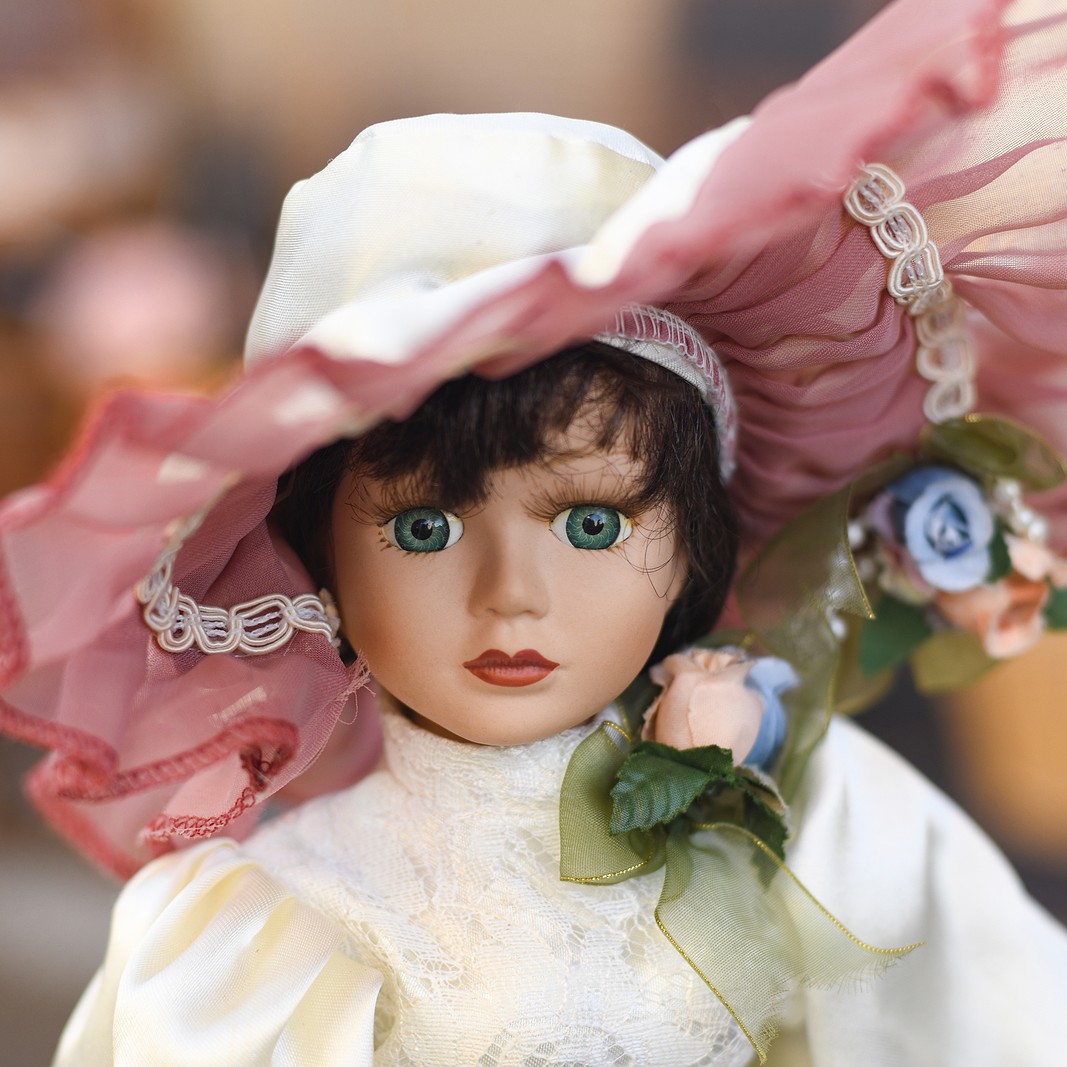
True bisque porcelain has a soft, matte finish that resembles human skin. High-value dolls often feature intricate, hand-painted details: individual upper and lower painted eyelashes, feathered eyebrows, shaded lips, and blown-glass paperweight eyes. Modern reproductions often have flat, spray-painted coloring and synthetic acrylic eyes.
3. Body Construction
Rarely is an entire doll made of porcelain. The head is usually porcelain, attached to a body made of kid leather, cloth, or composition (a mixture of wood pulp, glue, and sawdust). Dolls with fully articulated, ball-jointed composition bodies are generally more desirable to collectors than dolls with simple, stiff stuffed-cloth torsos.
4. Physical Condition
Condition is paramount in the antique market. Appraisers examine dolls under black light to detect repaired fractures or repainted areas. Value drops dramatically with:
- Hairline cracks: Even an invisible crack across the bisque forehead can cut a doll's value by 50% to 70%.
- Missing fingers or chipped eyelids: Broken digits or chipped porcelain around eye sockets heavily penalize value.
- Unoriginal clothing: While authentic period garments enhance value, antique dolls often wear replacements. Original clothes in good condition command a strong premium.
5. Character Faces vs. Dolly Faces
Standard "dolly-faced" figures—featuring wide eyes, open mouths with tiny teeth, and pleasant smiles—were the most common output of late-19th-century manufacturers. In contrast, "character faces" depicting realistic crying, pouting, laughing, or specific age ranges (such as newborns or elderly figures) are far rarer and reliably achieve higher prices at auction.
Notable Manufacturers and Realistic Price Ranges
While prices fluctuate based on trends and condition, historical makers generally fall into established valuation tiers.
French Bisque Dolls ($1,000 – $15,000+)
French "Bébés" from the late 19th century represent the peak of antique doll collecting. Renowned workshops include:
- Jumeau: Celebrated for dramatic glass eyes and exquisite fashion styling. Common models fetch $1,200 to $3,500; rare early models can exceed $10,000.
- Bru Jeune: Highly coveted for pouty, delicate expressions and flawless bisque quality. Prices frequently range from $4,000 to upwards of $20,000.
- A. Thuillier: Exceptionally rare, often commanding five figures at specialty auctions.
German Bisque Dolls ($100 – $1,500)
Germany dominated doll production from 1880 through the 1920s. German dolls were produced in higher numbers than French equivalents, making them more accessible today:
- Armand Marseille: The most prolific doll manufacturer in history. The popular "390" and "370" molds in fair-to-good condition usually sell between $50 and $150. Rare character molds can fetch $500 or more.
- Kestner: Known as the "King of Doll Makers." Standard Kestner child dolls typically sell for $200 to $600, while prime examples with original plaster pate and wig can reach $1,200.
- Kämmer & Reinhardt / Simon & Halbig: Exceptional character dolls from these collaborations regularly sell between $400 and $2,000.
How to Identify Maker Marks on Your Doll
To inspect your doll safely, follow these steps:
- Lay the doll on a soft towel on a flat, stable surface.
- Gently lift the hair or wig away from the base of the skull. If the wig is glued down firmly, do not tear it; look directly beneath the neckline.
- Use a soft, focused flashlight and a magnifying glass to inspect the neck area.
- Look for incised initials, company names (such as "DEP", "AM", or "Heubach"), and sequences of numbers.
- Record every symbol, letter, and number exactly as it appears.
How to Determine Current Market Value
Once you have identified the maker and assessed the condition, determine real-world market value using these proven approaches:
Check Sold Listings, Not Asking Prices
Sellers on platforms like eBay can list any doll for $500, but asking price does not reflect worth. Filter searches by "Sold Items" to see what buyers have actually paid in the past 90 days. Pay close attention to items in identical condition to yours.
Consult Specialty Price Guides and Databases
Reference books such as Coleman's Encyclopedia of Dolls or databases from doll appraisal organizations provide deep cataloging of mold numbers and maker histories.
Seek an Appraisal from an Accredited Expert
If you suspect you have a high-end antique, contact a member of the National Antique Doll Dealers Association (NADDA) or United Federation of Doll Clubs (UFDC). For estate collections, reputable auction houses like Theriault's or Morphy Auctions specialize specifically in antique dolls and mechanical toys.
Final Thoughts
While finding out that a decorative doll from the 1980s is worth under $20 can be disappointing, the thrill of discovering a genuine antique bisque doll makes research worthwhile. By identifying maker marks, inspecting the quality of the porcelain, and reviewing verified auction sales, you can accurately determine the true value of any doll in your care.