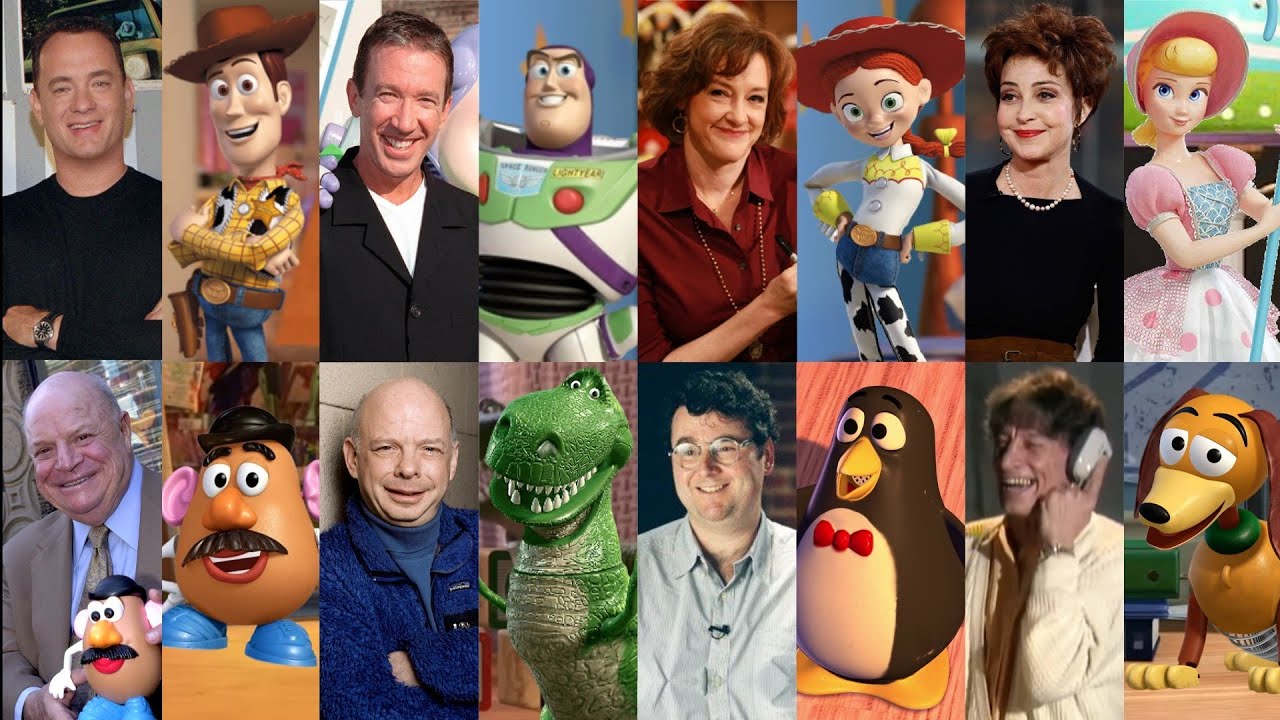
Voice Behind Actors: Hidden Voices That Are Actually Famous
When we watch cinematic magic unfold on screen, our eyes naturally credit the performer standing in front of the camera. We marvel at their emotional delivery, their comedic timing, and sometimes even their sweeping musical performances. Yet throughout Hollywood history, cinema has indulged in an open secret: the face delivering the performance is not always the voice generating the sound.

Investigating the phenomenon of the voice behind actors: the hidden voices that are actually famous reveals a fascinating world of uncredited dubbing, last-minute creative rescues, and A-list celebrities operating entirely out of sight. From Golden Age musicals to modern sci-fi epics, vocal stand-ins have shaped some of the most celebrated moments in entertainment history.
The Golden Age Ghost Singers
During the mid-20th century, Hollywood studios regularly cast major box-office stars in musical adaptations regardless of whether they could actually carry a tune. The solution was the "ghost singer"—a vocal specialist who tracked songs in a recording booth while the on-screen star lip-synced on set.
Marni Nixon: The Uncredited Soprano
No single person embodies the hidden Hollywood voice more than Marni Nixon. Known within the industry as the "Ghostess with the Mostest," Nixon provided the singing voice for three of cinema's most iconic leading ladies:
- Deborah Kerr in The King and I (1956), singing timeless classics like "Shall We Dance?" and "Getting to Know You."
- Natalie Wood in West Side Story (1961), handling Maria's entire vocal repertoire, including "I Feel Pretty" and "Tonight."
- Audrey Hepburn in My Fair Lady (1964), performing roughly 90 percent of Eliza Doolittle's musical numbers, such as "I Could Have Danced All Night."
Nixon worked under strict nondisclosure agreements. For The King and I, 20th Century Fox threatened that she would never work in town again if she revealed she had dubbed Kerr. It was Kerr herself who broke protocol, publicly praising Nixon's talent in interviews and cementing her legacy among film historians.
Bill Lee and India Adams
Nixon was not alone. India Adams provided the seductive singing vocals for Cyd Charisse in The Band Wagon (1953) and Joan Crawford in Torch Song (1953). Meanwhile, baritone Bill Lee dubbed Christopher Plummer's singing in The Sound of Music (1965). While Plummer spent months rehearsing "Edelweiss," director Robert Wise ultimately substituted Lee's richer vocal tone in post-production to match the emotional weight required for Captain von Trapp.
One Body, Another Voice: Iconic Physical and Vocal Partnerships
Sometimes an actor provides the exact physical presence a director envisions, but their vocal delivery lacks the necessary resonance or timbre. This dynamic has produced some of the most celebrated characters in pop culture history.
David Prowse and James Earl Jones (Darth Vader)
Perhaps the most famous vocal substitution in history occurred inside the armor of Darth Vader. British bodybuilder David Prowse stood an imposing 6-foot-6 and brought raw physical menace to the Sith Lord on set. However, his high-pitched West Country British accent earned him the humorous onset nickname "Darth Farmer."
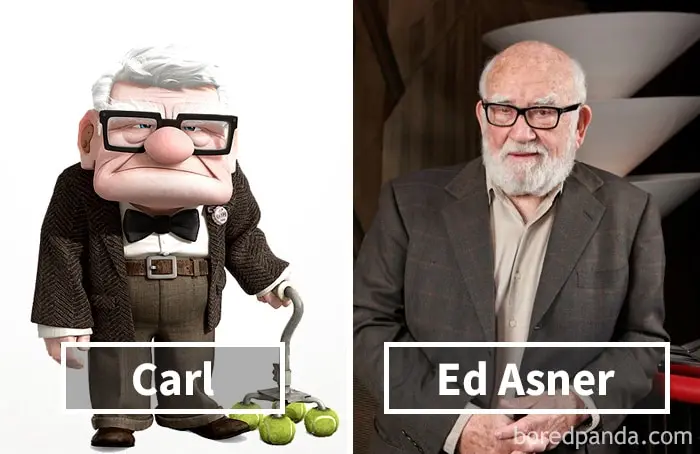
Director George Lucas knew Vader required a deep, reverberating presence. Lucas hired James Earl Jones to record the dialogue in a single voice-over session lasting just a few hours. Jones received a modest fee and initially requested that his name be left off the theatrical credits, feeling his contribution was merely special effects work. Today, his booming baritone remains arguably the most recognizable voice in film history.
Doug Jones and David Hyde Pierce (Abe Sapien)
Doug Jones is modern cinema's preeminent creature actor, having brought otherworldly grace to films like Pan's Labyrinth and The Shape of Water. In Guillermo del Toro's 2004 adaptation of Hellboy, Jones played the amphibian empath Abe Sapien. However, the studio sought a more recognizable voice for the theatrical release and hired Frasier star David Hyde Pierce.
When Pierce saw the film, he recognized that Abe Sapien's emotional soul belonged entirely to Jones's physical performance. In a rare act of Hollywood humility, Pierce refused all screen credits and promotional billing, insisting that Jones receive full credit for the character.
Voice Behind Actors: The Hidden Voices That Are Actually Famous
Vocal stand-ins are not limited to classic dubbing or prosthetic suits. Modern blockbusters, animated breakthroughs, and eccentric auteur projects frequently recruit top-tier celebrities to voice unexpected characters without standard marketing fanfares.
- Scarlett Johansson in Her (2013): Samantha Morton originally spent the entire physical production on set inside a sound booth, interacting with Joaquin Phoenix as the AI operating system Samantha. During editing, director Spike Jonze realized the character needed a different emotional texture. He brought in Scarlett Johansson to completely re-record the role in post-production, turning the performance into an award-winning turn that redefined vocal acting in modern drama.
- Bill Hader and Ben Schwartz in Star Wars: The Force Awakens (2015): The expressive chirps and beeps of droid BB-8 were not generated purely by synthesizers. Director J.J. Abrams brought in comedic actors Bill Hader and Ben Schwartz as vocal consultants. Abrams used an iPad soundboard app connected to their live vocalizations, running their voices through audio filters to give the droid genuine comedic timing.
- Vin Diesel in The Iron Giant (1999): Before he became a global action superstar, Vin Diesel provided the resonant, heartbreaking grunts and sparse dialogue for the titular robot in Brad Bird's animated masterpiece. He would later repeat this minimalist genius as the voice of Groot across the Marvel Cinematic Universe.
- Bruce Willis in Look Who's Talking (1989): While audiences watched infant actor Jacob Haines babble on screen, the inner monologue delivering wisecracking observations was performed entirely by Bruce Willis, transforming a simple domestic comedy into a $297 million global box-office smash.
- George Clooney in South Park: Bigger, Longer & Uncut (1999): As a devoted fan of creators Matt Stone and Trey Parker, Clooney agreed to cameo in the film. Rather than taking a prominent role, he provided the uncredited barking sounds for Sparky, Stan's homosexual dog, as well as the bewildered surgeon who attempts to save Kenny.
Why Directors Rely on Secret Vocal Stand-Ins
Replacing or heavily layering an actor's voice is rarely an insult to their ability; rather, it represents a calculated storytelling decision. Directors and producers typically rely on hidden vocalists for three specific production realities:
- Vocal Range Discrepancies: An actor may embody the visual essence, age, and emotional vulnerability of a character, yet lack the technical pitch control required for professional musical compositions.
- Physical Performance Logistics: Performers wearing heavy prosthetic suits, helmets, or creature rigs frequently struggle with muffled acoustic delivery on set. Dubbing their dialogue in post-production with an established voice artist guarantees crystal-clear sound mixing.
- Post-Production Tonal Pivots: Editing can dramatically change a film's pacing. If test audiences react poorly to a character's tone, hiring an established voice actor to re-record the dialogue allows filmmakers to adjust the performance without costly physical reshoots.
The Lasting Legacy of the Sound Booth
The art of vocal substitution serves as a powerful reminder of cinema's collaborative nature. Great performances rarely belong to a single artist; they are the sum of physical movement, vocal inflection, meticulous sound engineering, and visual design.
Next time you revisit a beloved classic or watch a new cinematic spectacle, listen closely to the dialogue. The voice driving the story might not belong to the face on the poster, but to a hidden legend whose vocal mastery brought the character to life.