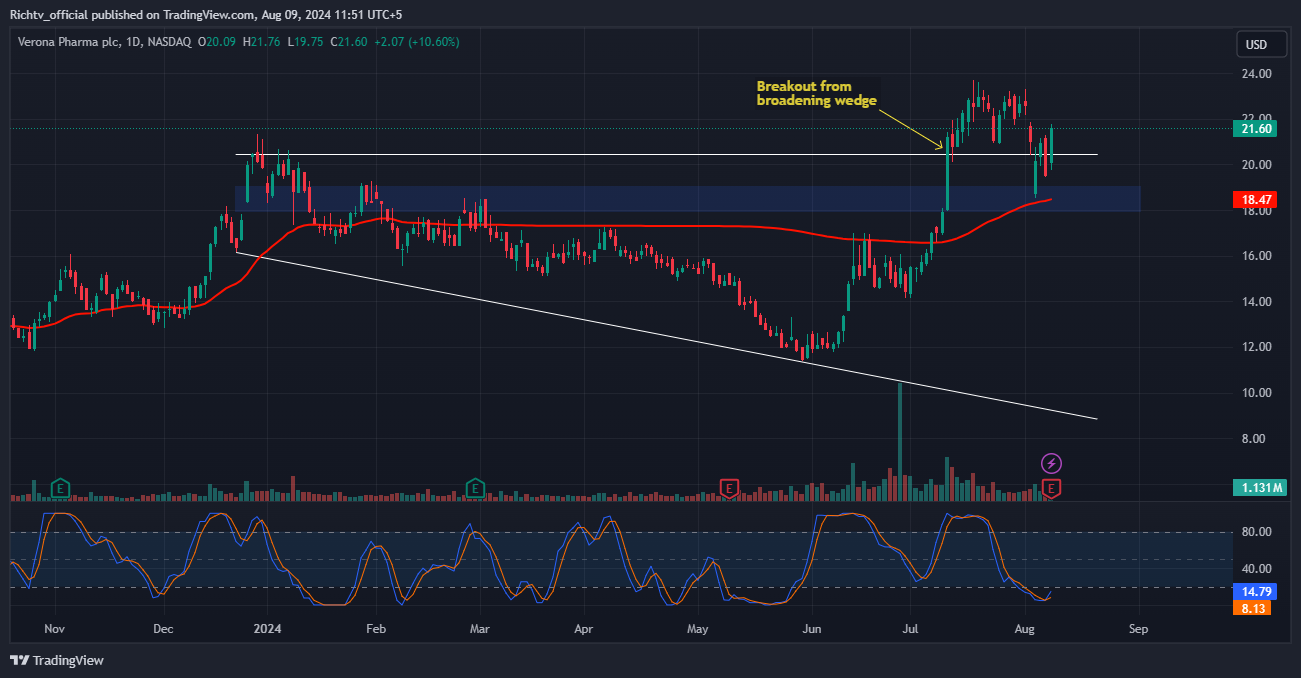
VRNA Stocktwits: Investor Sentiment & Outlook
Retail biotech investing moves at breakneck speed, and monitoring the VRNA Stocktwits stream has become a daily habit for traders tracking Verona Pharma plc (NASDAQ: VRNA). Following the landmark FDA approval of Ohtuvayre (ensifentrine) for chronic obstructive pulmonary disease (COPD), the conversation on message boards shifted from clinical-trial binary risk to commercial execution and potential acquisition rumors.
While social sentiment platforms like Stocktwits provide immediate crowd reactions, separating retail euphoria from balance-sheet reality is crucial. This guide breaks down what retail traders are watching on the VRNA stream, the underlying business fundamentals, and how to evaluate the company beyond message board hype.
Decoding VRNA Stocktwits Trends and Discussions
Stocktwits acts as a live barometer for retail sentiment. For a commercial-stage biotechnology firm like Verona Pharma, social activity typically clusters around a few predictable themes:
- Prescription (TRx/NRx) Trajectory: Retail traders regularly post third-party weekly prescription data (such as IQVIA or Symphony Health estimates). Discussion frequently hinges on whether initial adoption curves are beating analyst expectations.
- Mergers and Acquisitions (M&A) Buzz: Commercial-stage respiratory assets are rare. A recurring topic on the stream is whether large pharmaceutical companies with legacy respiratory franchises might make a play for Verona.
- Short Interest and Cost to Borrow: Whenever VRNA experiences sudden price volatility, users quickly analyze short interest numbers, looking for short-squeeze setups or institutional hedging signals.
- Conference Call Reactions: Earnings reports trigger intense message board volume, with traders debating revenue run rates, gross-to-net discounts, and forward commercial guidance.
While the sentiment on Stocktwits can indicate near-term retail momentum, sustained stock appreciation depends on fundamental execution in the clinic and the marketplace.
The Core Asset: Ohtuvayre (Ensifentrine)
To understand the bullish thesis dominating retail streams, one must understand the unique positioning of Ohtuvayre. Approved in June 2024, ensifentrine represents the first inhaled novel mechanism of action for the maintenance treatment of COPD in more than two decades.
Unlike standard bronchodilators (LABAs and LAMAs) or inhaled corticosteroids (ICS), Ohtuvayre acts as a selective dual inhibitor of phosphodiesterase 3 and 4 (PDE3 and PDE4). This dual mechanism combines both bronchodilator and non-steroidal anti-inflammatory effects in a single compound delivered via a standard jet nebulizer.
The total addressable market is vast. Millions of COPD patients in the United States continue to suffer from persistent symptoms and frequent exacerbations despite being on maximum standard-of-care triple therapy. If Ohtuvayre can capture even a modest fraction of this refractory patient population, the drug has clear multi-billion-dollar blockbuster potential.
Evaluating the Commercial Launch: Signal vs. Noise
On Stocktwits, sentiment often swings dramatically based on weekly script numbers. However, sophisticated healthcare investors evaluate commercial launches using broader metrics:
1. Payer Coverage and Formularies
Biotech launches rarely explode overnight because commercial and Medicare Part D health plans take six to twelve months to review new therapies and assign formulary status. Early launch discussions that criticize slow initial volume often misunderstand the timeline required to establish broad commercial reimbursement and prior authorization pathways.
2. Patient and Physician Feedback
Because Ohtuvayre is administered twice daily via a standard nebulizer, initial uptake often targets patients who struggle with dry-powder or metered-dose inhalers, such as elderly patients or those with severe lung impairment. Retail chatter highlighting positive patient adherence and pulmonologist feedback often foreshadows strong persistence rates in later quarters.
3. Sales Force Penetration
Verona deployed a dedicated, specialized sales force targeting top COPD-prescribing pulmonologists and select primary care physicians. Monitoring how effectively this team expands reach beyond early-adopting academic centers into community settings is a key indicator of durable revenue growth.
The M&A Rumor Mill: Reality Check
A frequent talking point on the VRNA Stocktwits board is the prospect of a buyout. Historically, commercial respiratory companies with novel, de-risked assets have been attractive acquisition targets for multinational pharmaceutical companies facing patent cliffs on their legacy franchises.
However, betting exclusively on an acquisition carries distinct risks:
- Valuation Expectations: Verona Pharma's management team has built significant infrastructure to commercialize the drug independently. If an offer does not offer an exceptional premium, leadership may prefer to retain independence to capture full long-term value.
- Regulatory & Antitrust Scrutiny: In the current regulatory climate, large-scale pharmaceutical mergers face heightened scrutiny from the FTC, making prospective acquirers more deliberate in their deal structuring.
- Execution Must Come First: Acquirers rarely pay peak multiples for unproven launches; they typically wait until commercial demand is validated through clear quarterly revenue growth.
Key Risks Investors Must Consider
While the tone on retail forums tends to lean heavily bullish, investors should maintain a balanced perspective by acknowledging the primary operational risks:
Reimbursement and Access Hurdles
If commercial payers impose stringent prior authorizations—such as requiring patients to fail multiple cheaper generic therapies before approving Ohtuvayre—the pace of revenue growth could lag consensus Wall Street forecasts.
Commercial Burn Rate
Launching a first-in-class medicine independently is capital intensive. Marketing expenditures, field force incentives, patient support programs, and post-marketing clinical studies require significant capital. Investors must watch Verona's cash runway to ensure that operating expenses do not force dilutive capital raises before the business achieves cash-flow breakeven.
Pipeline Concentration
Verona's valuation is predominantly tied to ensifentrine. While the company is exploring additional indications—such as non-cystic fibrosis bronchiectasis and potential alternate delivery formulations—any setbacks to the primary COPD asset would have an outsized impact on the company's enterprise value.
Best Practices for Following VRNA on Social Platforms
If you use platforms like Stocktwits to stay updated on Verona Pharma, consider these rules of engagement:
- Verify Shared Screenshots: Unverified graphs of prescription trends or leaked market data should always be cross-referenced with primary SEC filings, company press releases, or official earnings calls.
- Filter Out Short-Term Noise: Daily stock swings driven by technical day-trading algorithms rarely reflect the multi-year thesis of a major respiratory drug rollout.
- Watch Institutional Filings: Retail sentiment provides a look at market psychology, but quarterly 13F filings reveal whether long-term healthcare-dedicated institutional funds are accumulating or trimming their positions.
Conclusion
The lively conversation surrounding VRNA on Stocktwits underscores the high stakes of Verona Pharma's commercial journey. Ohtuvayre represents a legitimate therapeutic advancement in a massive, underserved respiratory market. For investors, the goal is to leverage community message boards for real-time news discovery while anchoring investment decisions in cold, hard commercial metrics: payer coverage, net sales expansion, and operational discipline.