Waifu Mia Leak: What Really Happened?
In recent months, internet forums, social media channels, and search engines experienced a massive spike in searches concerning the Waifu Mia leak: what really happened? As with many online personalities in the cosplay and alternative modeling space, viral gossip often travels faster than verifiable facts. When an influential creator's name gets tied to alleged leaks or private media releases, the internet ecosystem reacts instantaneously with speculation, mirror links, and commentary.
To understand the situation, one must separate online sensationalism from the reality of digital privacy, cyber hygiene, and the commercial ecosystem that popular digital creators navigate every day. Here is a comprehensive look at the circumstances surrounding the Waifu Mia rumors, how such leaks typically unfold, and the wider security issues at play.
Who Is Waifu Mia?
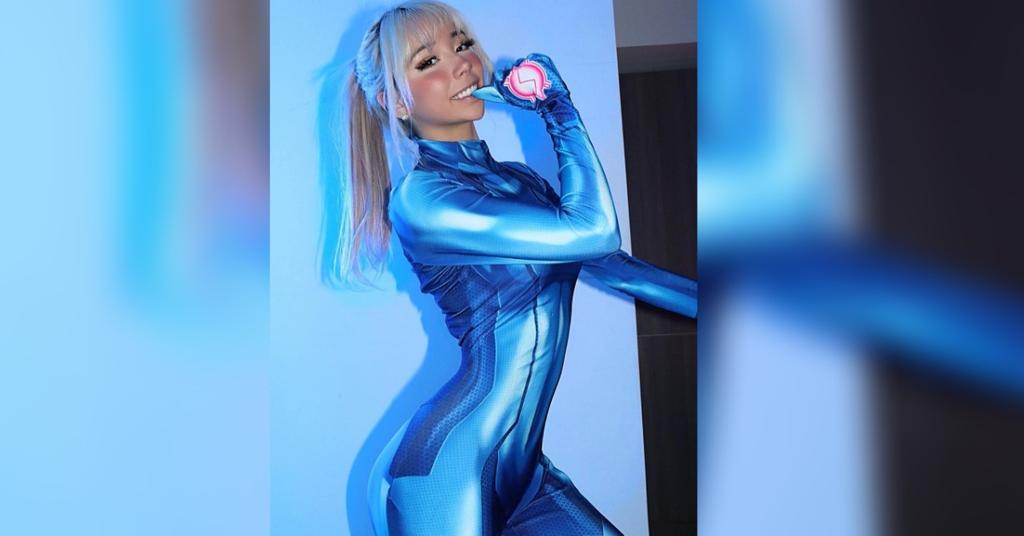
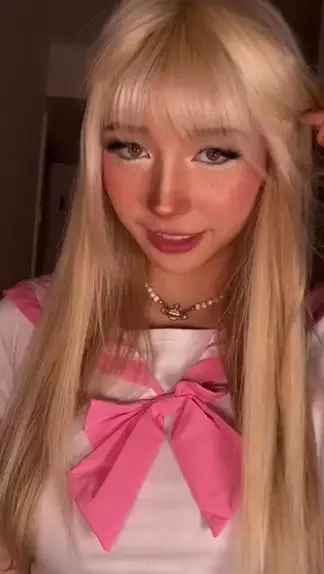
Waifu Mia is a popular digital creator, cosplayer, and alternative model who has built a dedicated following across platforms such as Instagram, TikTok, Twitter (X), and subscription-based community networks like Patreon and Fansly. Her content primarily centers on elaborate anime and video game cosplays, aesthetic photo shoots, and fan interactions.
Like many independent content creators in the modern creator economy, Mia relies on a tiered content model. Basic photos and casual video clips are distributed freely to build an audience on public platforms, while premium sets, exclusive sets, and behind-the-scenes material are gated behind paywalls. This business model provides creators with creative independence, but it also makes them prime targets for digital pirates and bad actors looking to capitalize on unauthorized content syndication.
Waifu Mia Leak: What Really Happened Behind the Rumors?
The sudden surge in searches regarding an alleged "leak" stems from a combination of aggressive paywall scraping, viral gossip channels, and coordinated search-engine manipulation. Rather than an intrusive personal device hack, the events surrounding Waifu Mia follow a familiar pattern seen across the digital creator sphere.
1. The Reality of Paywall Scraping vs. Account Hacking
When rumors of a leak initially surfaced, claims circulated that personal cloud accounts or private messaging channels had been breached. However, forensic analysis of the material posted across image boards and file-sharing sites indicated a very different reality: the circulating media originated almost entirely from paywalled creator profiles.
In the digital creator community, "leaks" are frequently confused with digital piracy. Paywall scrapers use automated bots, screen recorders, or compromised subscription accounts to pull exclusive images and videos from fan platforms. Once downloaded, these assets are redistributed onto third-party forums without the creator's consent.
2. The Role of Telegram Channels and Discord Servers
The spread was amplified through unregulated third-party channels on platforms like Telegram and Discord. Syndication networks routinely create channels bearing the names of trending cosplayers to funnel web traffic. In Mia's case, several community links began circulating repackaged collections of both publicly available photos and subscription tier content, branding them as an "unprecedented private leak" to artificially inflate member numbers.
3. Coordinated Clickbait and SEO Manipulation
A significant portion of the uproar was fueled not by new unauthorized content, but by automated spam networks. Bot networks automatically generate search-optimized web pages whenever an influencer trends. These pages promise full zip files or cloud folders of private content, generating thousands of search queries even if no actual private breach ever took place.
The Hidden Danger: Malicious Links and Phishing Scams

Whenever high-profile creator leaks dominate internet chatter, cybersecurity risks rise exponentially for ordinary users. The search for leaked material is one of the most common vectors used by cybercriminals to distribute malware, steal credentials, and perpetrate identity theft.
- Phishing Portals: Many search results promising access to private folders redirect users to mock login pages that mimic Mega, Google Drive, or Discord, prompting visitors to input login details.
- Malware and Adware Bundles: Files marketed as complete archives often contain malicious executables (.exe or disguised .scr files) rather than image or video formats. Executing these files can install trojans, keyloggers, or cryptominers on the victim's device.
- Survey Scams and Pay-Per-Click Traps: Users are frequently funneled through endless URL shorteners, intrusive notification prompts, and survey lockers that compromise browser security and generate fraudulent affiliate revenue.
Digital Rights and Legal Recourse for Creators
The unauthorized distribution of copyrighted, paywalled media presents serious legal and financial challenges for independent models and cosplayers. Content creators possess legal rights over their creative output, and instances like this trigger specific copyright enforcement mechanisms.
Digital Millennium Copyright Act (DMCA) Takedowns
Under the DMCA and international copyright treaties, content creators and their representation can issue formal takedown notices to search engines, hosting providers, and domain registrars hosting pirated material. Once a valid notice is served, web hosts must remove the infringing material promptly to maintain their safe harbor immunity.
Platform Moderation and Cyber-Investigation
Modern platforms work closely with legal counsel and copyright protection agencies (such as BranditScan or Rulta) that employ automated digital fingerprinting to trace scraped assets back to the specific account that originally leaked them. When found, the offending subscriber's account is permanently banned, and their payment information may be referred for civil litigation if significant financial damages occurred.
Protecting Privacy in the Modern Creator Economy
The controversy surrounding Waifu Mia serves as an important case study for both creators and digital consumers. It highlights the growing tension between personal privacy, audience demand, and cybersecurity in modern digital entertainment.
For Creators
- Implement Dynamic Watermarking: Embedding discrete, dynamic identifiers into media sets helps trace the origin of stolen content back to the specific subscriber ID responsible for scraping.
- Enforce Two-Factor Authentication (2FA): Using hardware keys or authenticator apps prevents malicious actors from hijacking accounts via credential stuffing or SIM swapping.
- Proactive Takedown Services: Partnering with professional digital protection firms ensures unauthorized links are de-indexed from search engines before they gain algorithmic momentum.
For Fans and Consumers
- Support Creators Directly: Consuming content through legitimate subscription platforms guarantees creator compensation, ensures authentic media quality, and directly supports ongoing production.
- Avoid Suspicious Download Portals: Bypassing unauthorized links eliminates the risk of downloading malware, ransomware, or identity-harvesting scripts.
- Promote Digital Ethics: Respecting personal boundaries and recognizing non-consensual content sharing as digital harassment helps foster a safer and more sustainable creative ecosystem.
Final Thoughts
When unpacking the narrative behind the Waifu Mia leak, the actual events align far more with routine copyright infringement and aggressive online scam marketing than with a compromised personal device. Viral threads often exaggerate these incidents to fuel traffic, clicks, and forum engagement at the expense of creator well-being.
For internet users, incidents like this emphasize the importance of critical thinking: questioning sensational headlines, avoiding dubious download links, and recognizing the tangible real-world harm that digital piracy inflicts on independent creators.